
.png "1-(1).png")
Coming home after heart surgery is a relief and a turning point, but it's also the start of the hardest part of recovery. Whether it was a bypass (CABG), a valve repair or replacement, or another cardiac procedure, the weeks after discharge are when a healing breastbone, a fresh incision, a new list of medications, and strict activity limits all have to be managed at once, usually by the patient and their family.
This stretch matters enormously. The first several weeks set the stage for whether recovery goes smoothly or ends in a complication and a return trip to the hospital. Wound infections, medication mix-ups, and movements that strain the healing sternum are exactly the kinds of setbacks that good home support is designed to prevent. For families across Phoenix, Arcadia, and Tempe, knowing what to expect, and where skilled help fits in, makes the difference.
This guide walks through the essentials of cardiac surgery recovery at home: protecting the incision, following sternal precautions, managing medications, watching for warning signs, and how registered-nurse-supervised home care supports a safe recovery.
Caring for the Incision and Preventing Infection
Most heart surgeries leave an incision down the center of the chest, and sometimes a second incision on the leg or arm where a blood vessel was taken. Keeping these wounds clean and protected is one of the most important jobs of the early recovery weeks.
General guidance after cardiac surgery is to keep the incision clean and dry and to handle it gently. Patients can usually shower a couple of days after surgery using lukewarm (not hot) water, letting it run gently over the incision without scrubbing, then patting the area dry rather than rubbing. It's best to avoid harsh products like hydrogen peroxide, lotions, or creams on the incision, and to skip baths, hot tubs, and swimming until the surgeon gives the go-ahead. Steri-strips or surgical glue over the incision are designed to fall off on their own over a few weeks.
Watch closely for signs of infection: spreading redness, increasing warmth, swelling, pus or foul-smelling drainage, an incision that opens or clicks, or a fever. A little clear drainage in the first days can be normal, but the warning signs above should be reported promptly. Always follow the specific instructions your surgical team provided, since they reflect your loved one's exact procedure.
Sternal Precautions: Protecting the Healing Breastbone
Because the breastbone is divided during most open-heart surgery, it needs time to knit back together, generally six to eight weeks. During that window, sternal precautions limit movements that could strain or separate the healing bone.
Common sternal precautions include:
- Not lifting, pushing, or pulling more than a set weight limit (often around 5 to 10 pounds early on, roughly a gallon of milk)
- Not raising both arms overhead at the same time
- Avoiding reaching far behind the back
- Not pushing up with the arms when standing from a chair or getting out of bed
- Hugging a firm pillow against the chest when coughing or sneezing for support
These limits affect ordinary daily life in big ways. Reaching a high shelf, lifting a laundry basket, opening a heavy door, or pushing up out of a recliner all become off-limits or risky. That's where hands-on help is so valuable, and why some patients also benefit from in-home support to handle the tasks they temporarily can't do safely. Activity guidance is evolving, with some programs using newer movement strategies, so families should always follow the specific precautions their surgical team prescribed.
Managing Medications Safely After Heart Surgery
Patients often leave the hospital with a longer and more complicated medication list than they arrived with: blood thinners, blood pressure medicines, drugs to manage heart rhythm or fluid, pain medication, and more. Each has its own timing, and some, especially blood thinners, require careful attention because too much or too little can be dangerous.
Medication mistakes are one of the most common and preventable causes of post-surgical setbacks. A clear system helps: an up-to-date written schedule, a pill organizer, and someone double-checking that doses are taken correctly and not duplicated. When a skilled nurse is involved, that nurse can reconcile the full medication list, teach the patient and family what each drug does and what side effects to watch for, and coordinate with the cardiologist if something needs adjusting. This is one of the clearest ways professional oversight prevents avoidable hospital readmissions.
Recovery Milestones and Knowing When to Call
Recovery is gradual. Fatigue, a poor appetite, swelling, mood changes, and trouble sleeping are all common in the early weeks and usually improve over time. Most patients slowly rebuild stamina with short, frequent walks, often guided by a cardiac rehabilitation program, and gradually return to normal activities as the sternum heals and the surgeon clears them.
Some symptoms, though, need prompt medical attention. Families should know to call the surgical or cardiology team (or seek emergency care) for chest pain, shortness of breath, a fast or irregular heartbeat, signs of wound infection, a fever, sudden weight gain or swelling that can signal fluid buildup, or any sternum movement or clicking. Knowing these warning signs ahead of time turns an anxious guessing game into a clear plan.
How RN-Supervised Home Care Supports Cardiac Recovery
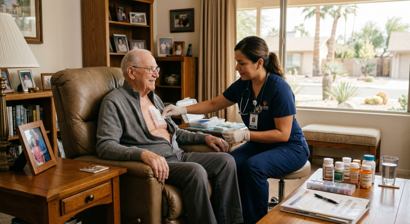
The weeks after heart surgery are a lot to manage, and that's exactly the window where skilled home support pays off. At BrightStar Care of Phoenix, a registered nurse oversees every case from the first in-home assessment through ongoing care. That nurse can perform wound monitoring and care, reconcile and manage the medication schedule, watch for the warning signs of complications, and teach the family what to look for, all while coordinating with the patient's medical team.
Alongside skilled nursing, fingerprint-cleared caregivers can help with the daily tasks sternal precautions make difficult, from light housekeeping and meal prep to bathing assistance and safe mobility support, and provide steady encouragement through a tiring recovery. Because there is no minimum number of hours, families can arrange exactly the level of help they need, whether that's daily nursing visits or a few hours of daily personal care during the riskiest early weeks.
Recovering From Heart Surgery in the Phoenix Heat
Arizona's climate adds real considerations to cardiac recovery. Extreme summer heat puts extra strain on the heart and raises the risk of dehydration, which is especially concerning for patients on blood pressure and fluid (diuretic) medications. For someone recovering from heart surgery in Phoenix, Arcadia, or Tempe, the recommended short recovery walks are best done indoors in a cooled space, or outdoors only in the early morning before the heat builds.
Heat and certain heart medications can also interact in ways that affect blood pressure and hydration, so close monitoring matters even more during the summer months. With one of the nation's largest senior populations across Maricopa County, many cardiac patients here are older adults managing other conditions at the same time, which makes registered-nurse oversight during the first weeks home all the more valuable. Staying hydrated, staying cool, and keeping a close eye on weight and symptoms are part of a safe Arizona recovery.
Local Resources for Phoenix, Arcadia, and Tempe Families
These Arizona resources can support heart-surgery recovery at home. Confirm current programs and details when you reach out.
- American Heart Association (Arizona), Patient education on recovery after heart surgery, cardiac rehabilitation, and heart-healthy living, plus local programs and events.https://www.heart.org/| Phone: 1-800-242-8721
- Area Agency on Aging, Region One (Maricopa County), Runs a 24-Hour Senior HELP LINE for caregivers and older adults seeking in-home services, benefits screening, and care navigation across Maricopa County.https://www.aaaphx.org/| Phone: 602-264-4357 or 888-264-2258
- 2-1-1 Arizona, A free, statewide information and referral line connecting families to home care, transportation, utility assistance, and health resources in Phoenix, Tempe, and surrounding Maricopa County communities.https://211arizona.org/| Phone: Dial 2-1-1
- Arizona Department of Health Services (ADHS), Licenses home care and home health agencies in Arizona and publishes consumer guidance on choosing and verifying licensed providers.https://www.azdhs.gov/| Phone: 602-542-1025
- American Stroke / Heart 9-8-8 and Emergency Note (call 911), For chest pain, severe shortness of breath, or signs of a heart attack or stroke, call 911 immediately rather than waiting.https://www.heart.org/en/about-us/heart-attack-and-stroke-symptoms| Phone: 911
How BrightStar Care of Phoenix Can Help
If a loved one is coming home after heart surgery in Phoenix, Arcadia, or Tempe, the right support during the first weeks can protect their recovery and your peace of mind. BrightStar Care of Phoenix provides registered-nurse oversight, skilled nursing, and fingerprint-cleared caregivers, with flexible scheduling and no minimum hours.
Call BrightStar Care of Phoenix at 480-897-1166 to arrange a free in-home assessment. We are locally owned and operated, state licensed, and Joint Commission Accredited.
Frequently Asked Questions
How long do sternal precautions last after open-heart surgery?
The breastbone generally needs about six to eight weeks to heal, so sternal precautions (limits on lifting, reaching overhead, and pushing up with the arms) usually apply during that window. Always follow the specific timeline and limits your surgical team gives you.
When can my dad shower after heart surgery?
Many patients can shower a couple of days after surgery using lukewarm water, letting it run gently over the incision without scrubbing and patting dry afterward. Avoid baths, hot tubs, and swimming until the surgeon approves, and follow your team's specific instructions.
What are the warning signs of a problem after cardiac surgery?
Call the care team or seek emergency help for chest pain, shortness of breath, a fast or irregular heartbeat, spreading redness or drainage at the incision, fever, sudden weight gain or swelling, or any clicking or movement of the breastbone. A home nurse can help you monitor for these; call BrightStar Care of Phoenix at 480-897-1166 to learn more.
Why is managing medications after heart surgery so important?
Patients often go home with several new medications, including blood thinners that require careful dosing. Mistakes are a common and preventable cause of complications and readmissions, so a clear schedule and, ideally, nurse oversight help keep medications safe.
Is the Arizona heat a risk during heart-surgery recovery?
Yes. Extreme heat strains the heart and raises dehydration risk, which is especially important for patients on blood pressure or fluid medications. Do recovery walks indoors or in the early morning, stay hydrated, and monitor weight and symptoms closely during the summer.
Sources
- Recovery After Open Heart Surgery Timeline, Cleveland Heart – https://www.clevelandheart.com/recovery-after-open-heart-surgery-timeline/
- Sternal Precautions, Physiopedia – https://www.physio-pedia.com/Sternal_Precautions
- Sternal precautions following cardiac surgery, The Ohio State University Wexner Medical Center –https://healthsystem.osumc.edu/pteduc/docs/PrecautionsCardiacSurg.pdf
- Replacing Sternal Precautions as Part of a Cardiac Enhanced Recovery Program, Annals of Thoracic Surgery Short Reports –https://www.annalsthoracicsurgeryshortrep.org/article/S2772-9931(24)00399-1/fulltext
- Preventing Sternal Wound Dehiscence: A Guide to a Safer Recovery, Heart Hugger – https://blog.hearthugger.com/preventing-sternal-wound-dehiscence