
.png)
Spring doesn't last long in the Greater Phoenix area. By late March, daytime temperatures in Phoenix, Tempe, and Goodyear are already climbing toward the 90s — and families with older adults at home know what that means: it's time to prepare. Long before the triple-digit days arrive, a thoughtful home safety check can mean the difference between a safe, comfortable summer and a preventable emergency.
Older adults face disproportionate risk during Arizona's brutal summers. According to the Maricopa County Department of Public Health, adults aged 65 and older are among the most vulnerable populations during heat events. When you add in chronic health conditions, mobility limitations, and medications that affect temperature regulation, the stakes become clear. This checklist is designed to help families in Phoenix, Tempe, Goodyear, Arcadia, Maricopa, Casa Grande, and Buckeye take concrete action before summer truly arrives.
1. Audit the Air Conditioning System — Now, Not in June
In Arizona, air conditioning isn't a comfort feature. It's a life-safety system. A unit that struggles or fails during a July heat advisory can create a life-threatening situation within hours for a frail older adult.- Schedule an HVAC inspection in March or April — before the summer rush overwhelms service calendars.
- Replace air filters and clean vents to ensure maximum efficiency.
- Confirm the thermostat is working accurately and is set to maintain indoor temperatures below 80°F during heat advisories.
- If your loved one relies on evaporative cooling (swamp cooling), be aware that it becomes less effective once outdoor humidity rises during monsoon season (July–September). Supplemental air conditioning may be needed.
- Know your utility assistance options: Tempe's Housing Services (480-350-8950) offers A/C repair assistance for income-qualified residents, and Arizona's 211 service connects callers with emergency cooling resources.
2. Fall-Proof the Home — Inside and Out
Falls are the leading cause of injury-related hospitalization for older adults nationwide, and Arizona's senior population is no exception. As temperatures rise, older adults spend more time indoors — which means their home environment needs to be as safe as possible.- Clear walkways throughout the home of rugs, cords, clutter, and any tripping hazards.
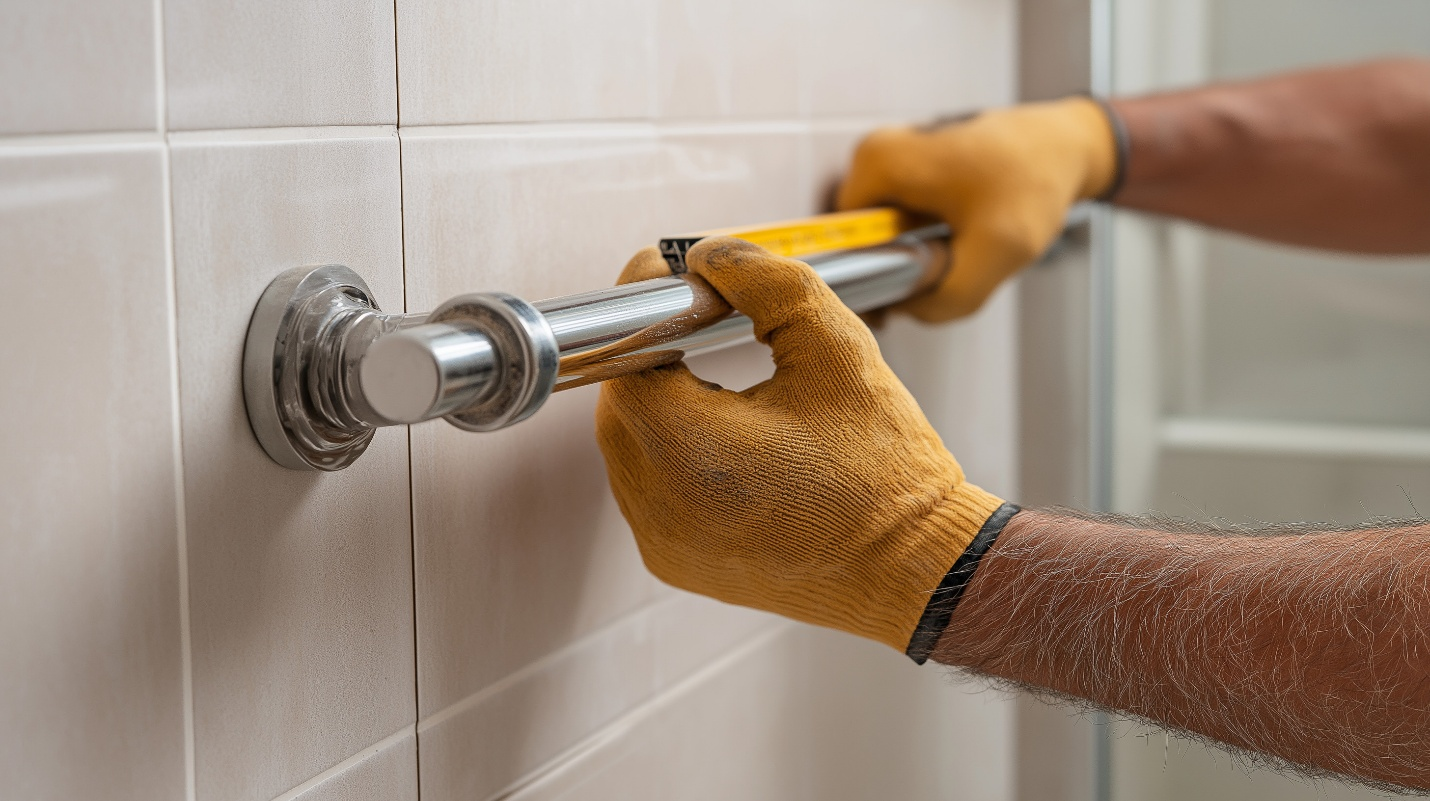
- Install grab bars in the bathroom — next to the toilet and inside the shower or tub. This is one of the highest-return safety investments available.
- Ensure adequate lighting in hallways, bedrooms, and especially the path from bedroom to bathroom for nighttime navigation.
- Place a lamp, phone, and water within easy reach of the bed.
- Arrange outdoor areas: remove garden hoses from walkways, check that patio surfaces are in good repair, and ensure outdoor steps have sturdy handrails.
- If your loved one uses a cane or walker, inspect the tips and wheels to confirm they are in good condition.
3. Review Medications for Heat-Related Risks
Many common medications — including certain blood pressure drugs, diuretics, antihistamines, and some Parkinson's or psychiatric medications — can impair the body's ability to sweat or regulate temperature effectively. This is a conversation worth having with your loved one's physician or pharmacist before summer arrives.
- Ask the prescribing physician: does any current medication increase sensitivity to heat or affect hydration?
- If your loved one takes multiple medications, a Registered Nurse overseeing their care can help track potential interactions and flag heat-related concerns.
- Ensure medications are stored at appropriate temperatures — many medications should not be exposed to sustained heat, and a car or non-air-conditioned space during an Arizona summer can quickly exceed safe storage temperatures.
4. Establish a Hydration Routine
Dehydration is among the most common and most preventable summer health emergencies for older adults. The sensation of thirst diminishes with age, which means a senior may not feel thirsty even when they are significantly dehydrated. By the time they feel thirsty, they may already be mildly dehydrated.
- Set a regular hydration schedule: a glass of water upon waking, with each meal, and at mid-morning and mid-afternoon. Don't wait for thirst.
- Keep a refillable water bottle visible and accessible — on the kitchen counter, bedside table, and in common areas.
- Limit alcohol and caffeine, which contribute to fluid loss.
- Foods with high water content — watermelon, cucumber, oranges, broth-based soups — contribute to overall hydration and can be a good supplement, especially for seniors who resist drinking plain water.
5. Create an Emergency Plan and Identify Local Resources
Every senior household in Phoenix, Tempe, and Goodyear should have a simple, written plan for what to do if the power goes out, if the air conditioning fails, or if a heat-related illness develops. This plan should be posted visibly — on the refrigerator, for example — and shared with anyone who provides regular assistance.
- Identify the nearest cooling center: Phoenix operates 24/7 heat respite locations, and Phoenix Public Libraries serve as cooling centers throughout the summer with extended evening hours. Call 602-262-4636 for Phoenix cooling center information.
- Know the signs of heat exhaustion (heavy sweating, dizziness, weakness, nausea) versus heat stroke (hot/dry skin, confusion, rapid pulse, temperature above 103°F). Heat stroke is a 911 emergency.
- Designate a neighbor, friend, or family member for daily check-in calls during heat advisories — particularly if your loved one lives alone.
- Program key numbers into the phone: 911, a family contact, the primary care physician, and 211 Arizona for resource navigation (available daily in English and Spanish).
6. Prepare for Monsoon Season
Phoenix, Tempe, and Goodyear residents know that summer doesn't just mean heat — it also means monsoons. From July through September, dramatic afternoon storms can bring wind, dust, lightning, and flash flooding that create their own hazards for older adults.
- Secure or bring in outdoor furniture and potted plants that could become projectiles in high winds.
- Keep flashlights and a battery-powered radio or phone charger accessible in case of power outages.
- Be aware of haboobs (dust storms): anyone with respiratory conditions like COPD or asthma should have their medication accessible and should stay indoors when wall clouds of dust are visible.
- If your loved one is on medical equipment that requires electricity (oxygen concentrators, CPAP machines), discuss a backup power plan with their care team well in advance of storm season.
When a Checklist Isn't Enough: Professional In-Home Support
Going through this checklist is an excellent start — but for many families in Goodyear, Tempe, and Phoenix, the bigger challenge is having someone there day to day to implement these safeguards, monitor for warning signs, and respond quickly when something changes.
BrightStar Care of Phoenix NW/NE and Tempe provides in-home care without minimum hours, which means you can arrange as much or as little support as your situation requires. Every care plan is overseen by a Registered Nurse who conducts a comprehensive assessment — including a home safety review — and ensures that caregivers are properly prepared for what your loved one specifically needs. All of our caregivers are Level 1 fingerprint-cleared, and we're locally owned and operated in the communities we serve.
Summer preparedness isn't a one-time task. It's an ongoing conversation, and we're glad to be part of it.
Local Resources for Greater Phoenix Seniors
- City of Phoenix Heat Safety — phoenix.gov/administration/departments/heat | 602-262-4636
- Area Agency on Aging, Region One (Maricopa County) — 24/7 Senior HelpLine: 602-264-4357 | aaaphx.org
- 211 Arizona — Connects to cooling centers, utility assistance, and emergency A/C repair. Dial 211 (available daily, English and Spanish)
- Tempe Housing Services (A/C repair assistance) — 480-350-8950
- Maricopa County Extreme Heat Resources — maricopa.gov/1871/Extreme-Heat
Frequently Asked Questions
At what temperature should I be concerned about my elderly parent in Phoenix?
Concern should begin well before outdoor temperatures reach their peak. Indoors, maintaining temperatures below 80°F is essential. If your loved one's home reaches 80–85°F consistently, their risk of heat-related illness increases significantly. Be especially vigilant during heat advisories, when temperatures are forecast above 105–110°F. Call BrightStar Care at 480-897-1166 if you're concerned about how your loved one is managing the heat at home.
How do I know if my parent's home is safe enough for them to be alone this summer?
A professional in-home assessment is the most reliable way to know. A Registered Nurse can evaluate mobility, cognitive status, medication risks, and the home environment itself — and give you an honest picture of what level of support is needed. Don't wait for a fall or a heat emergency to prompt that conversation.
What should be in a senior's summer emergency kit at home?
A practical home kit includes: multiple days of water (at least one gallon per day per person), a battery-powered fan and radio, flashlights with fresh batteries, a written list of all medications and dosages, a list of emergency contacts, a small supply of non-perishable foods, and any medical supplies (extra medication, backup power for equipment). Keep it somewhere easy to access.
Are cooling centers in Phoenix and Tempe accessible to seniors with mobility limitations?
Many Phoenix area cooling centers, including public libraries and senior centers, are ADA accessible. Call 211 Arizona or 602-264-4357 (Area Agency on Aging HelpLine) to find the nearest accessible location and confirm hours. Transportation assistance may also be available through community programs.What is the biggest home safety risk for seniors in Goodyear and the West Valley during summer?
The combination of indoor heat and dehydration is the most underestimated risk — particularly for seniors living alone who may not have regular check-ins. Monitoring daily becomes critical when temperatures are consistently above 105°F. An in-home caregiver who visits regularly can provide the check-in, encourage hydration, and catch warning signs early. Call 480-897-1166 to learn more about care options in Goodyear and across our service area.
BrightStar Care of Phoenix NW/NE and Tempe is locally owned and Joint Commission accredited with 11 years of service to Greater Phoenix families. We provide care with no minimum hours, a Registered Nurse overseeing every care plan, and Level 1 fingerprint-cleared caregivers you can trust.
Call 480-897-1166 or visit brightstarcare.com/locations/phoenix-tempe to schedule a complimentary home safety assessment before summer arrives.
Sources
City of Phoenix 2025 Heat Response Plan — phoenix.govMaricopa County Extreme Heat Resources — maricopa.gov/1871/Extreme-Heat
Area Agency on Aging Region One — aaaphx.org | 602-264-4357
Arizona Department of Health Services — heat.azdhs.gov
CDC STEADI — Home Fall Prevention Checklist for Older Adults — cdc.gov
211 Arizona — 211 (dial directly)
Tempe Heat Relief — tempe.gov/government/community-health-and-human-services/housing-services
Comfort Keepers Phoenix — Beat the Heat: Summer Safety Tips for Phoenix Seniors