
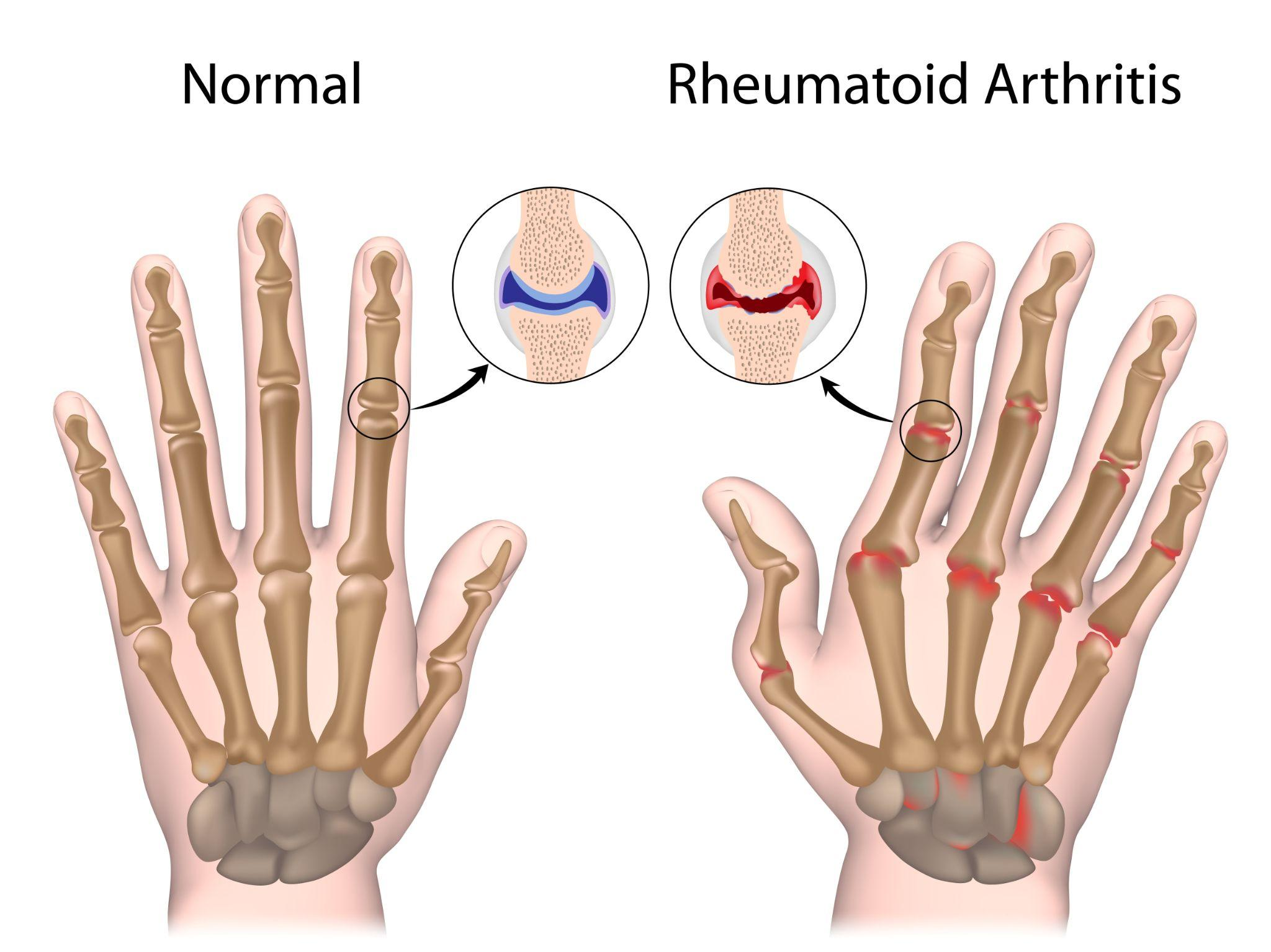
Rheumatoid arthritis is one of those conditions where the daily reality is far harder than the diagnosis itself sounds. Stiff, swollen joints in the morning that take an hour to loosen. A fatigue that is not the same as being tired. Hands that have trouble with buttons or jars. Flares that arrive without warning and steal a week. For the roughly 1.3 million American adults living with RA — and the families helping them — the disease is not a single problem. It is a steady weight on every day.
In the Phoenix metro, the picture has a few specific wrinkles. Many RA patients in Phoenix, Tempe, Goodyear, Casa Grande, Arcadia, Maricopa, and Buckeye are managed by a small number of busy rheumatology practices, often with months between in-person appointments. The dry desert air and predictable temperatures suit some RA patients well — yet the summer heat creates real risks for those taking biologic medications, methotrexate, or steroids. And like every chronic condition, RA gets harder to manage alone as patients age.
This article looks at what rheumatoid arthritis home care in Phoenix AZ actually involves: pain and stiffness management, mobility and fall prevention, support for daily function, medication safety, and the specific accommodations Phoenix-area homes need during flares. It also explains how a Registered Nurse-supervised home care plan supports the patient and the family between rheumatology visits.
What Rheumatoid Arthritis Looks Like in Older Adults
Rheumatoid arthritis is an autoimmune disease in which the immune system mistakenly attacks the lining of joints, causing inflammation, pain, and over time, joint damage. RA typically affects joints on both sides of the body — hands, wrists, knees, feet, and shoulders are most common — and can also affect organs like the lungs, eyes, and skin.
Older adults living with RA face a stack of compounding challenges. The disease itself causes pain, swelling, and fatigue. Decades of joint changes limit range of motion. Other age-related conditions — osteoporosis, heart disease, diabetes — are more common in RA patients and complicate care. The risk of falls is higher because of joint instability. And depression is two to three times more common in RA patients than in the general population.
Skilled in-home support can help with every one of these layers when it is built into the care plan thoughtfully.
Managing Pain and Stiffness Day to Day
Pain in RA is rarely controlled by medication alone. The most effective home plans layer several approaches.
Morning routines. Morning stiffness is the hallmark RA symptom and can last 30 minutes to several hours. A warm shower, gentle range-of-motion exercises in bed before getting up, and paced morning activity rather than rushing usually shortens the stiff window. A caregiver who is in the home in the early morning can make this routine consistent.
Heat and cold. Heat eases morning stiffness and chronic aches. Cold reduces acute swelling during a flare. A skilled caregiver can help apply paraffin wax, heat pads, or cold packs safely — especially important for patients with thin skin from long-term steroid use.
Gentle movement. The research is clear: structured physical activity reduces RA disease activity, fatigue, and pain. Walking and water-based exercise are the most studied. A home care plan that includes daily walks — early morning in summer — supports joint health more than rest does.
Coordinated rest. RA flares require more rest. A care plan that flexes — more help during flares, less between — is more sustainable than a one-size schedule.
Mobility, Fall Prevention, and Home Modifications
Falls are a major risk for older adults with RA because of joint pain, balance changes from long-term medication use, and the daily fluctuations in strength and stiffness.
Home care plans typically include a home safety assessment performed by a Registered Nurse. The most common changes recommended in Phoenix-area homes are grab bars in the bathroom and at the toilet; a raised toilet seat; non-slip mats inside and outside the shower; bright nightlights for the path from bedroom to bathroom; removal of throw rugs; and an evaluation of the kitchen for items that should be moved to easier shelves.
Beyond the physical home, RA patients benefit from tools that reduce strain on hands and wrists: jar openers, lightweight cookware, electric can openers, button hooks, sock aids, and long-handled grabbers. A skilled caregiver can introduce these tools gradually and help the patient use them without losing independence.
Medication Safety in Rheumatoid Arthritis
RA treatment usually includes a disease-modifying antirheumatic drug (DMARD) such as methotrexate, often combined with a biologic (an injectable or infused medication that targets specific parts of the immune system) and sometimes a low-dose steroid for flares. Each of these comes with specific home care considerations.
Methotrexate is taken once a week, not daily. Daily dosing by mistake is a recognized cause of serious harm. A home care nurse can verify the routine and label storage clearly.
Biologics are stored in the refrigerator and administered as scheduled injections. A skilled nurse can help teach the patient or family how to inject safely, rotate sites, and dispose of sharps.
Steroids increase risk of bone loss, blood sugar spikes, infection, and skin thinning. Nurses watch for these complications and coordinate with the rheumatologist when something looks off.
Infection prevention is a major focus. Patients on biologics or methotrexate are immunosuppressed and more vulnerable to infections. Hand hygiene, prompt attention to small wounds, and watching for early signs of infection are routine parts of an RA home care plan.
Phoenix-Specific Context: Heat, Sun, and Storage
Arizona's climate offers some real advantages for RA patients: low humidity often eases joint stiffness, and the predictable warm weather supports outdoor activity much of the year. But summer brings specific risks.
Heat and inflammation. Extreme heat can worsen fatigue and dehydration, both of which intensify RA symptoms. Many RA medications interact poorly with dehydration. A skilled caregiver tracks fluid intake and watches for warning signs like dizziness, dark urine, and confusion.
Sun and medication interactions. Methotrexate, some biologics, and several other RA medications increase sun sensitivity. Patients are coached to use sunscreen, hats, and long sleeves and to avoid the midday sun in Phoenix, Tempe, Goodyear, Casa Grande, Arcadia, Maricopa, and Buckeye between May and September.
Medication storage. Biologics must be kept refrigerated. A skilled nurse helps families set up reliable storage and a transport routine for travel.
Monsoon season barometric changes. Some patients report worse stiffness when a monsoon storm rolls through. A home plan can adjust pain management on these days.
Why an RN-Supervised Care Plan Matters for RA
RA care is often described as a marathon, not a sprint. The disease changes over decades. Medications change. Joints change. The family changes. A care plan that is built once and never revisited stops working.
An RN-supervised home care agency reviews the care plan every two weeks at minimum, communicates with the patient's rheumatologist when something shifts, and flexes the level of caregiver support during flares and remissions. BrightStar Care of Phoenix NW/NE and Tempe provides this for families across the East Valley and West Valley with no minimum hours, Level 1 fingerprint-cleared caregivers, locally owned leadership, and 11 years of Joint Commission accreditation. Families can call 480-897-1166 to set up a free in-home consultation.
Local Phoenix Area Resources for RA Patients and Families
- Arizona Arthritis Center, University of Arizona — arthritis.arizona.edu
- Arizona Arthritis and Rheumatology Associates (multiple Phoenix locations) — azarthritis.com
- Arthritis Foundation Phoenix Office — 602-264-7679 — arthritis.org
- Area Agency on Aging Region One Senior Help Line — 602-264-4357 — aaaphx.org
- Banner — University Medicine Rheumatology — bannerhealth.com
Frequently Asked Questions
How is home care different from rheumatology care for rheumatoid arthritis?
Rheumatologists diagnose RA, prescribe DMARDs and biologics, and manage the disease itself. Home care fills the daily gaps between rheumatology visits — pain and stiffness routines, mobility support, medication reminders, fall prevention, transportation help, and a clinical set of eyes watching for flares or complications. A skilled home care nurse communicates directly with the rheumatologist when something changes. To set up RN-supervised home care in the Phoenix area, call BrightStar Care of Phoenix NW/NE and Tempe at 480-897-1166.
Can a home care nurse give methotrexate or biologic injections?
Yes. A Registered Nurse from a private duty home care agency can administer or teach a patient or family member to administer subcutaneous biologic injections and weekly methotrexate doses. The nurse verifies the schedule, watches for side effects, and coordinates with the rheumatologist. This is especially helpful for older patients with hand pain that makes self-injection difficult.
Does Arizona heat make rheumatoid arthritis worse?
Arizona's dry climate often eases joint stiffness compared to humid climates, but extreme heat brings other RA risks. Heat increases dehydration, which intensifies RA symptoms and complicates several RA medications. Many RA drugs increase sun sensitivity. Biologics must be refrigerated. A home care nurse helps families build a summer routine that protects against these risks.
What home modifications help an RA patient stay independent?
The most common changes after a home safety assessment are grab bars in the bathroom, a raised toilet seat, non-slip mats, bright nightlights, removal of throw rugs, kitchen items moved to easier shelves, and adaptive tools like jar openers, electric can openers, button hooks, and long-handled grabbers. A Registered Nurse can perform this assessment during a free in-home consultation.
Can rheumatoid arthritis home care prevent hospital visits?
Yes — most often by catching infections early (RA patients on biologics are immunosuppressed), managing falls and fractures before they happen, and recognizing flares before they escalate. Skilled in-home oversight is one of the most effective tools for keeping RA patients out of the emergency room and out of unplanned hospital stays.
Sources
- American College of Rheumatology — Rheumatoid Arthritis — rheumatology.org
- Centers for Disease Control and Prevention — Rheumatoid Arthritis — cdc.gov
- Arthritis Foundation — Rheumatoid Arthritis Guide — arthritis.org
- University of Arizona Elder Care Provider Sheet on Rheumatoid Arthritis — aging.arizona.edu
- Arizona Arthritis Center — arthritis.arizona.edu
- Rheumatology International — Physical Activity in Older Patients with Rheumatoid Arthritis (2025)