
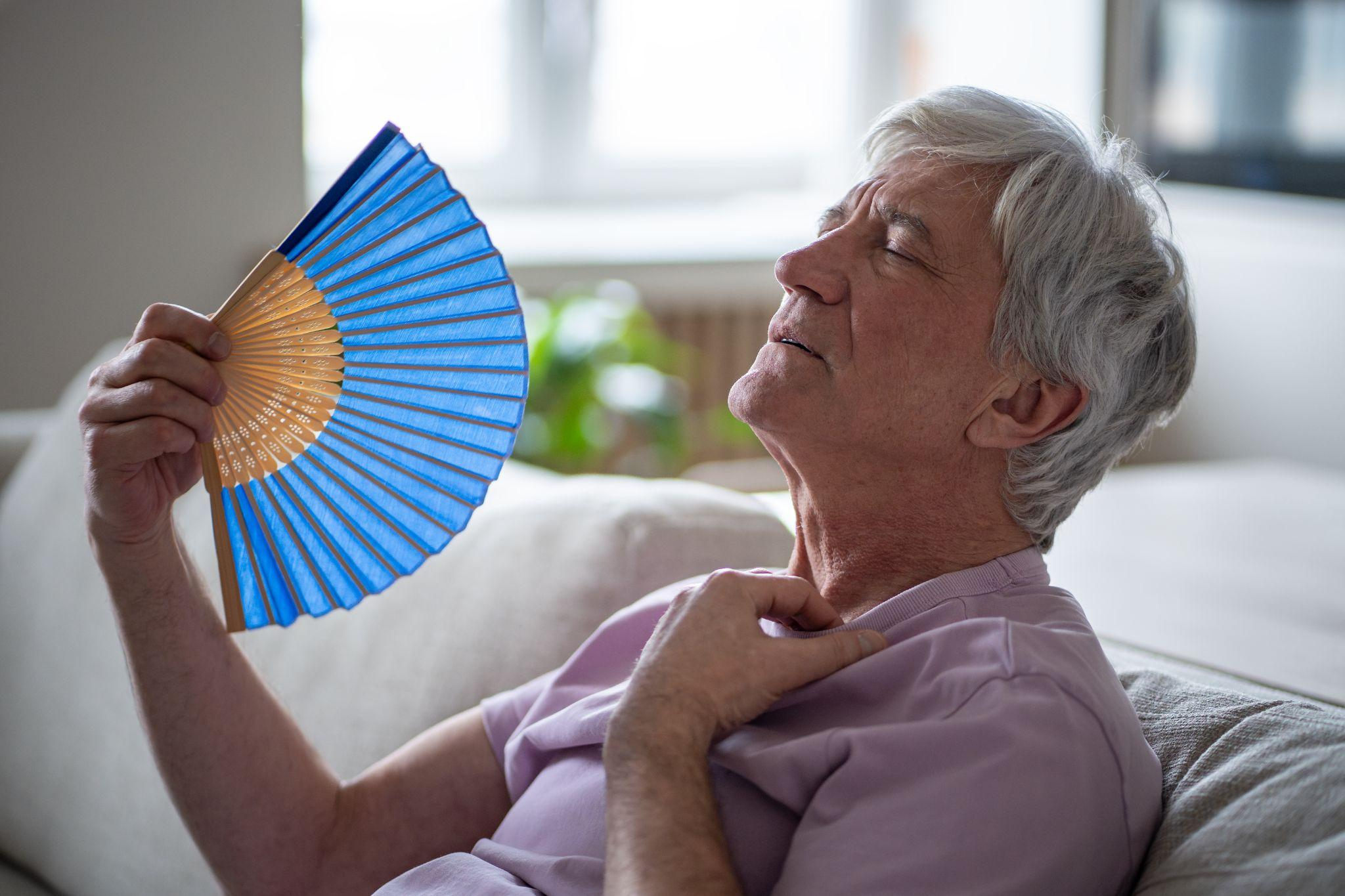
Phoenix summers test even the healthiest residents, but for older adults the heat can be genuinely dangerous. Maricopa County recorded 427 heat-related deaths in 2025, and roughly 60 percent of all such deaths involved people aged 50 and older. The 2026 heat season has already begun, and the county confirmed its first heat-related death in early April. For families in Phoenix, Arcadia, and Tempe with an aging parent, partner, or grandparent at home, understanding extreme heat advisories and knowing what to do before, during, and after them is a key part of staying safe.
Older adults are more vulnerable to heat for reasons that have nothing to do with willpower or common sense. The body's ability to regulate temperature naturally declines with age. Many chronic conditions, including heart disease, diabetes, kidney disease, and dementia, interfere with the way the body handles heat. So do many common medications, including diuretics, blood pressure drugs, antidepressants, and antihistamines. A 90-year-old with congestive heart failure who is taking a diuretic and an antidepressant is far less able to handle a 115-degree day than a 25-year-old neighbor, even if both drink the same amount of water.
The encouraging news is that Maricopa County's heat-related deaths declined for the second year in a row in 2025, largely thanks to expanded cooling and outreach programs. With the 2026 Heat Relief Network already running through September 30 and Phoenix's own heat response plan strengthened this year, families have more tools than ever to keep loved ones safe. The key is using them early, not waiting until someone is already in distress.
Why Heat Is Especially Risky for Older Adults
There are several reasons seniors are more vulnerable to extreme heat. Sweat production decreases with age, which reduces the body's natural cooling system. Thirst signals weaken, so dehydration can take hold before someone feels thirsty. Skin changes slow down heat exchange. And the kidneys and heart, which work hard during heat stress, are often already strained by chronic disease.
Medication interactions add another layer. Diuretics (water pills) accelerate fluid loss. Blood pressure medications can cause dizziness when a person stands up in the heat. Anticholinergic medications, found in many over-the-counter sleep and allergy products, block sweating. Even some psychiatric medications can interfere with temperature regulation. A registered nurse reviewing the medication list with a focus on heat risk can identify which combinations need extra attention during summer months.
Cognitive conditions like Alzheimer's disease, Lewy body dementia, and Parkinson's disease compound the risk. A loved one with memory problems may forget to drink water, dress for the heat, or recognize when they are overheating. They may also wander outdoors at the worst times of day.
Recognize the Signs of Heat-Related Illness Early
Heat illness exists on a spectrum, and catching it early can prevent a hospital visit.
Heat cramps are an early signal: painful muscle spasms, usually in the legs, often after activity in the heat. Treat them by moving the person to a cool place, offering fluids, and resting.
Heat exhaustion looks like heavy sweating, weakness, dizziness, nausea, headache, and cool, pale, clammy skin. Move the person indoors or to shade, loosen clothing, sponge with cool water, and offer fluids slowly. If symptoms do not improve within an hour, call a healthcare provider.
Heat stroke is a medical emergency. Look for very high body temperature (often above 103 degrees Fahrenheit), hot, red, dry skin, confusion, rapid pulse, loss of consciousness, or seizures. Call 911 immediately, move the person to a cool place, and cool them with wet cloths or a cool bath while waiting for help. Do not try to give fluids if they are confused or losing consciousness.
Practical Steps to Keep a Senior Cool at Home
Day-to-day prevention is where most of the protection happens. A few habits, started before the worst heat arrives, make all the difference.
Keep the home cool. Run the air conditioner; if running it all day is a financial worry, contact APS, SRP, or local utility assistance programs for help. The Salvation Army's Project SHARE and the Low Income Home Energy Assistance Program (LIHEAP) both offer summer cooling support. Use blackout curtains on west-facing windows, run ceiling fans (only when temperatures are below about 95 degrees), and consider portable cooling units for the bedroom at minimum.
Hydrate steadily, not heavily. Older adults often do better with small sips throughout the day rather than large glasses at meals. Water is best. Coffee, tea, alcohol, and sugary drinks all worsen dehydration. For seniors on fluid restrictions due to heart or kidney disease, talk to the doctor or home care nurse about a safe daily target.
Plan around the heat. Do errands and any outdoor walking before 9 a.m. or after 7 p.m. Reschedule medical appointments to mornings when possible. Avoid leaving anyone, ever, in a parked car.
Dress for the climate. Loose, light-colored, breathable clothing. A wide-brimmed hat for any time outdoors. Avoid heavy layers, even in air conditioning, that someone may forget to remove.
Watch for changes. New confusion, unusual sleepiness, falls, headache, or refusal to drink can all be early warning signs of heat illness.
When the Power Goes Out: Monsoon Storm Preparation
Phoenix monsoon storms typically begin in mid-June and run through September. They can knock out power for hours or even days. For a senior at home who depends on air conditioning, oxygen, refrigerated medications, or powered medical equipment, a sudden outage during a 110-degree day is a serious emergency.
Build a heat-and-storm kit now: a battery-powered fan, flashlights, a charged power bank for phones, a cooler, bottled water, copies of medications and emergency contacts, and a list of nearby cooling centers. Sign up for utility outage alerts from APS or SRP. Make sure a neighbor, family member, or in-home caregiver has a working key and a plan to check in within an hour of any outage.
Families who depend on home oxygen or other powered equipment can register with their utility company in advance for priority outage response and should keep a manual backup or relocation plan.
Phoenix-Specific Context: 2026 Heat Plans and the Local Picture
Maricopa County's expanded 2026 Heat Relief Network officially opened on May 1 and runs through September 30. The network includes more than 200 indoor cooling centers, respite sites where people can stay for hours rather than minutes, hydration stations, and donation drop-offs across the county. The City of Phoenix expanded center hours this year, with many locations open until at least 7 p.m. and on weekends in partnership with the Arizona Faith Network.
Outreach to senior living communities and mobile home parks has been increased through the Red Cross. For families who are not sure where the nearest cooling site is, the simplest way to find help is to dial 211. Live operators with 211 Arizona take calls in English and Spanish from 9 a.m. to 7 p.m. daily, and they can connect callers with cooling centers, utility assistance, transportation for high-risk seniors, and other heat-season resources. The 2026 heat surveillance dashboard updates weekly at maricopa.gov.
For families in Phoenix, Arcadia, and Tempe who are also managing chronic conditions or memory loss, professional home care can be an important layer of protection. BrightStar Care of Phoenix NW/NE and Tempe is locally owned and operated, with a registered nurse who oversees every case from the first assessment forward. Caregivers are Level 1 fingerprint cleared. The agency is state licensed and has been Joint Commission Accredited, and there is no minimum hours requirement, so summer-season care can be added as a few hours a day or as full-time support. Call 480-897-1166 to discuss a heat-season care plan.
Local Heat Safety Resources
211 Arizona connects callers to cooling centers, utility assistance, transportation, and other heat resources. Dial 2-1-1 or visit 211arizona.org. Live help in English and Spanish, 9 a.m. to 7 p.m. daily during heat season.
Maricopa County Department of Public Health publishes the official 2026 heat surveillance dashboard and the full Heat Relief Network map. Visit maricopa.gov/heat. General information: 602-506-6900.