
Most people don't think of personal care as fall prevention. But the reality is that the moments when seniors are most likely to fall are the exact moments personal care addresses: getting out of bed, stepping into the shower, sitting down on the toilet, reaching to get dressed.
These aren't dramatic accidents. They're quiet, everyday physical tasks that become dangerous when aging, medication, and muscle loss stack up. If your parent is living alone in Salt Lake City and handling these moments without help, their fall risk is higher than you probably realize.
Personal Care Is Fall Prevention
Fall prevention programs often focus on grab bars, better lighting, and exercise classes. Those matter. But the single biggest thing you can do to prevent a fall is make sure someone is physically present during the tasks that cause them.
The majority of senior falls happen during routine physical activities at home. Not on walks outside. Not on stairs (though that happens too). They happen in the bathroom. Getting out of bed. Reaching for something while off-balance. These are personal care moments, and a caregiver who's there for them eliminates the most common fall scenarios entirely.
What Personal Care Looks Like When Fall Prevention Is the Goal
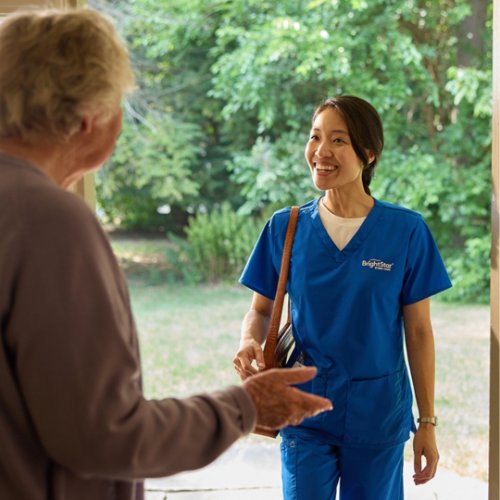
A caregiver from BrightStar Care of Salt Lake City isn't just "helping out." Every task they assist with is directly reducing your parent's chance of a fall:
- Bathing and showering – Wet tile, slippery tubs, standing with eyes closed while rinsing. The bathroom is the most dangerous room in the house for seniors. A caregiver physically supports your parent getting in and out, stays present throughout, and ensures the environment is safe every single time.
- Bed transfers – Getting from lying down to standing is when blood pressure drops and dizziness hits hardest. A caregiver is right there for that first moment of the day, using proper transfer techniques to get your parent on their feet safely.
- Toileting – Seniors often rush to the bathroom, especially at night, and that urgency combined with low light and unsteady legs is a recipe for disaster. A caregiver helps with safe transfers on and off the toilet and manages nighttime support so your parent isn't stumbling alone in the dark.
- Dressing – Pulling pants on while standing on one leg. Bending to reach shoes. Lifting arms overhead for a shirt. Every one of these throws off center of gravity. A caregiver assists in ways that keep your parent seated or supported through the whole process.
- Grooming and hygiene – Standing at the sink for teeth brushing, shaving, or hair care means extended time on feet, often on tile, often first thing in the morning when balance is worst. A caregiver ensures your parent is stable and supported.
- Mobility between tasks – The walks between the bedroom and bathroom, kitchen and living room, inside and outside. A caregiver provides a physical presence so your parent moves confidently instead of gripping walls and furniture.
The Falls You Don't Know About
Many seniors hide their falls because they're afraid of losing independence. They explain away bruises, stop doing certain activities without telling you why, or quietly rearrange furniture to create things to grab onto. Studies suggest nearly half of falls go unreported.
A caregiver who's there daily sees what family can't: the hesitation before standing, the white-knuckle grip on the counter, the new refusal to shower because the tub feels too risky. They catch the pattern before the next fall happens, and they're physically there to prevent it.
Why "Checking In" Isn't Enough
Phone calls and weekly visits don't prevent falls. Falls happen in real-time physical moments. Your parent isn't going to fall while you're on the phone with them; they're going to fall stepping out of the shower at 7 AM on a Tuesday when no one is there.
Personal care is the only form of support that's present during the actual high-risk activities. That's why it's the most effective form of fall prevention for seniors aging in place. Not technology, not grab bars alone, not family check-ins. Hands-on, in-person, physical support during the moments that matter.
The Home Environment Still Matters
A caregiver also sees hazards that family has gone blind to: loose bathroom rugs, poor lighting in hallways, cluttered paths, unstable furniture being used as support. They help maintain a safe environment day to day, because a clear path today can become a tripping hazard by next week. But environmental fixes only reduce risk; personal care eliminates it during the moments falls actually happen.
The Cost of Not Acting
A fall isn't a bruise. For seniors, one fall can mean a hip fracture, surgery, weeks of rehab, and a permanent loss of independence. About 40% of nursing home admissions are fall-related. Many seniors never return to their previous mobility after a serious fall.
The psychological damage is just as real. Fear of falling leads to avoiding movement, which causes muscle loss, which increases fall risk further. Personal care breaks that cycle by giving your parent the confidence and physical support to keep moving safely every day, in every task.
Why BrightStar Care's Nurse-Led Personal Care Is Different
Not all personal care is equal. At BrightStar Care of Salt Lake City, a registered nurse builds every care plan. That means your parent gets a clinical assessment of their specific fall risk factors: their medications, their mobility level, their home layout, their daily routine. The personal care plan is designed around the exact moments and tasks where they're most vulnerable. As things change, the RN adjusts the plan. That's clinical-grade fall prevention delivered through compassionate, daily, hands-on care.
Frequently Asked Questions
Q: How do I know if my parent needs personal care for fall prevention?
A: If they're unsteady getting out of bed, avoiding showers, gripping furniture to walk, or have had even one fall in the past year, personal care should be on the table. You don't need to wait for a serious injury.
Q: Does a caregiver need to be there 24/7?
A: No. Many families start with just a few hours covering the highest-risk windows: morning bathing and dressing, evening transfers, and nighttime toileting. Even a few hours of personal care daily can cut fall risk dramatically.
Q: What's the difference between personal care and companion care for fall prevention?
A: Companion care provides social interaction and light help around the house. Personal care provides direct physical assistance with bathing, dressing, toileting, transfers, and mobility. For fall prevention specifically, personal care is the service that addresses the moments falls actually happen.
Q: Will my parent feel like they're losing independence?
A: The opposite. Personal care keeps them in their home, moving safely, and maintaining their daily routine instead of facing a fall that leads to a hospital, rehab facility, or nursing home. Independence is preserved by preventing the event that takes it away.
A Safer Home Starts With Personal Care
If your parent is managing bathing, dressing, and daily movement alone and you're starting to worry, don't wait for the fall. BrightStar Care of Salt Lake City provides nurse-led personal care built specifically around fall prevention so your loved one stays safe, confident, and home. Call us today or visit our website to learn more.