
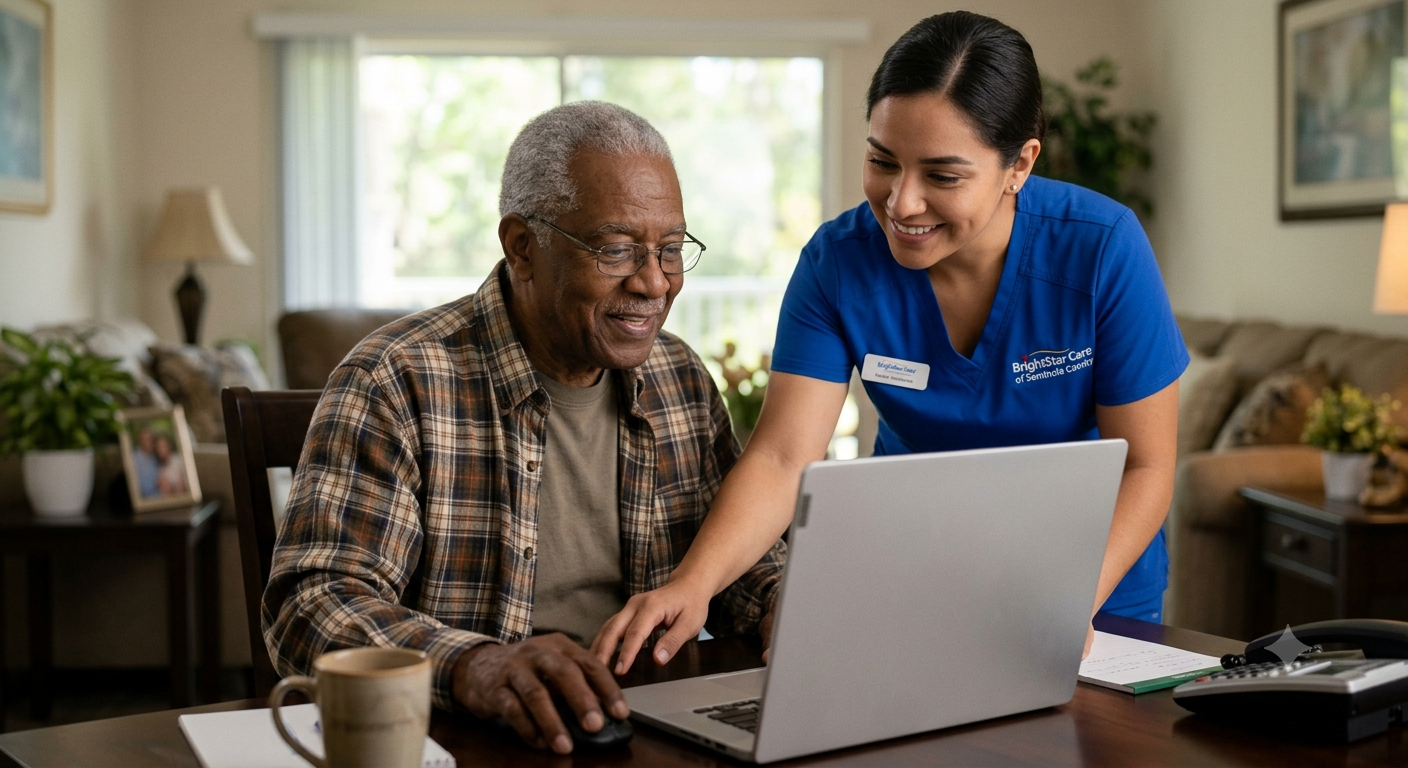
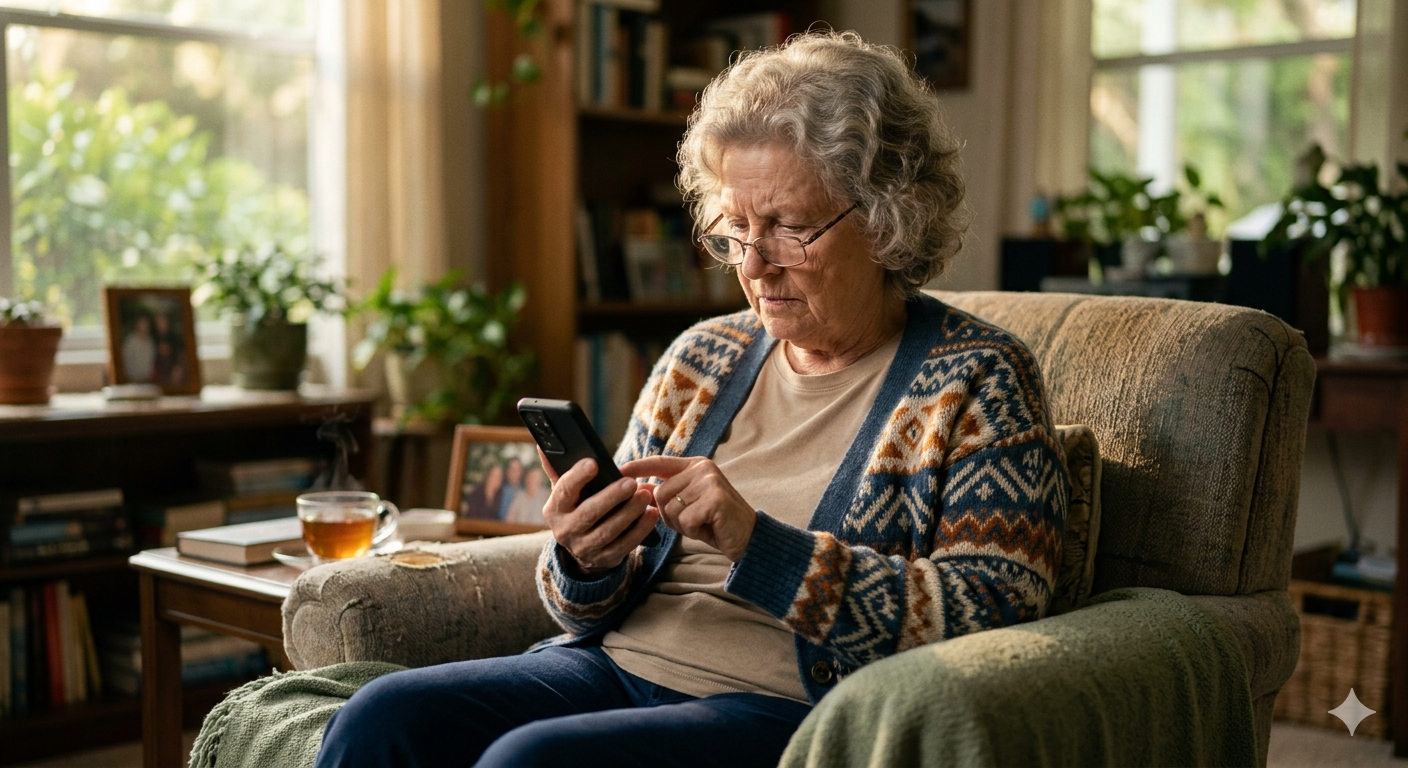
As we rely more on our smartphones and computers to stay connected with family, manage our finances, and read the news, scammers are unfortunately following right behind us. In 2026, text and email fraud targeting older adults has become incredibly sophisticated. The days of obvious typos and prince-in-hiding emails are largely gone. Today, fraudsters use high-pressure tactics, fake caller IDs, and even artificial intelligence to make their messages look and sound entirely real.
The good news? You hold the power to stop them. Knowing their playbook is your absolute best defense.
The Top 3 Scams of 2026
Scammers generally rely on creating a false sense of urgency or fear to bypass your natural caution. Here are the most common tactics they are using right now:
- The Government Imposter: You receive a text or email claiming to be from Medicare, the IRS, or the Social Security Administration. They might threaten to cut off your benefits or claim you owe unpaid taxes immediately. The reality: Real federal agencies will practically always communicate with you by mail first, and they will never demand instant payment via gift cards or cryptocurrency.
- The "Grandparent" Emergency: You get a frantic, unexpected message from an unknown number claiming to be your grandchild or a loved one. They say they are in jail, in an accident, or stranded overseas and need money right now—and they usually beg you not to tell anyone. The reality: Always pause. Hang up or ignore the message, and call your family member directly on the phone number you already have saved for them to verify their safety.
- Fake Tech Support: A pop-up on your screen or a sudden email warns that your device has a virus or your bank account has been compromised. They offer a number to call or a link to click to "fix" the issue. The reality: Legitimate tech companies like Apple or Microsoft do not contact you out of the blue to fix your computer, nor do legitimate banks ask for your PIN or password.
The most common giveaway across almost all scams is the payment method. If anyone demands payment via gift cards, wire transfers, or cryptocurrency, it is a scam 100% of the time.
The Golden Rules of Prevention
Protecting yourself doesn't require a degree in computer science. It just requires a few healthy habits:
- Never click unexpected links. If you receive an alert from your bank or a delivery service, do not click the link in the text. Open your web browser and navigate to the company's official website yourself.
- Slow down. Scammers want you to panic. Take a deep breath. A legitimate organization will never force you to make a financial decision in five minutes.
- Verify independently. If an email or text seems suspicious, look up the organization's phone number on a past bill or their official website and call them to check.
- When in doubt, delete. If you don't know the sender and aren't expecting the message, delete it.
At BrightStar Care of Seminole County, we understand that navigating the digital world safely is just one part of maintaining a healthy, independent lifestyle at home. Our commitment to comprehensive well-being is why BrightStar Care of Seminole County has RN supervised care, ensuring that our clients receive the highest standard of professional, compassionate support in every aspect of their daily lives. We proudly serve the Seminole County Community including: Lake Mary, Longwood, Sanford, Altamonte Springs, Casselberry, Winter Park, Winter Springs, Oviedo and Geneva area.
https://www.brightstarcare.com/locations/seminole-county/who-we-serve/seniors-and-adults/