
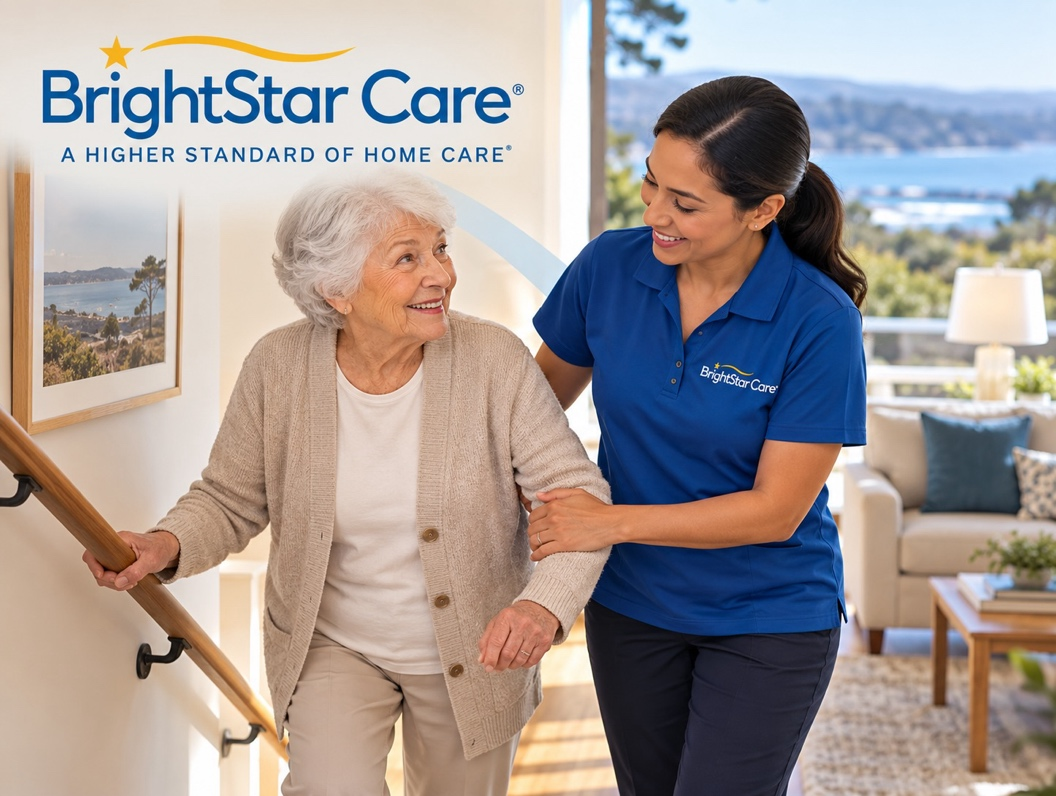
Falls are one of the most common and potentially life-changing events that can happen to an aging adult. They often happen quietly, in familiar spaces, during ordinary moments. A trip to the bathroom at night. Reaching for something on a high shelf. A misstep on a rug that has been in the same place for years. In a single second, everything can change.
At BrightStar Care of The Monterey Peninsula, we believe fall prevention at home is about much more than simply telling someone to “be careful.” It means understanding why falls happen, identifying potential risks early, and creating an environment where your loved one can continue moving through their home with greater confidence.
During Fall Prevention Awareness Month and throughout the year, families throughout Monterey County can take practical steps to help their loved ones remain safe, active, and independent at home.
Why Falls Happen More Often Than Families Expect
Falls among older adults can result from several factors occurring at the same time.
Muscle weakness, changes in vision, medication side effects, chronic health conditions, balance difficulties, and environmental hazards can all contribute to fall risk.
What can make these changes difficult for families to recognize is that they often happen gradually. A loved one may not mention feeling less steady. They may begin holding onto furniture without realizing it or stop participating in activities that now feel more difficult.
By the time a fall occurs, the underlying risks may have been developing for weeks or months.
Being careful alone is not always enough. Fall prevention involves looking at the entire picture—including physical health, mobility, medications, daily routines, and the home environment—and putting appropriate support in place before an injury occurs.
Warning Signs: How to Recognize Increasing Fall Risk
Families may not realize that a loved one's fall risk is increasing until an injury or near-fall occurs.
Some signs to watch for include:
- Holding onto furniture, walls, or countertops while walking
- Avoiding stairs or activities they previously completed without hesitation
- Unexplained bruises, particularly on the arms, hips, or knees
- Moving noticeably slower than before
- Difficulty standing from a seated position without using their hands
- Requiring several attempts to stand
- Increased hesitation when stepping over a curb or threshold
- Becoming less willing to leave the house or walk without assistance
- Increased difficulty with bathing, dressing, or other daily activities
These changes may indicate that additional support could help your loved one remain safer and more independent at home.
The Fear of Falling Can Affect Independence
The effects of fall risk are not limited to physical injuries.
Older adults who have fallen—or who are afraid of falling—may begin limiting their movement. They may stop taking walks, avoid stairs, spend more time sitting, or decline activities they previously enjoyed because remaining still feels safer.
Unfortunately, reduced activity can contribute to weaker muscles, decreased flexibility, poorer balance, and increased isolation.
Fall prevention is therefore about more than removing hazards from the home. It is also about helping older adults maintain the strength, confidence, activity, and support they need to continue enjoying life at home.
Home Safety Checklist: Practical Steps to Reduce Fall Risk
A safer home does not need to feel like a clinical environment.
Small adjustments throughout the home can make everyday movement easier and reduce common hazards.
Consider the following:
- Improve lighting in hallways, bathrooms, stairways, and nighttime paths between the bedroom and bathroom
- Remove or secure loose rugs
- Keep electrical cords and clutter out of walkways
- Install grab bars near the toilet and in the shower or bathtub
- Keep frequently used items such as dishes, phones, and medications within easy reach
- Avoid storing everyday items on high shelves that require reaching or climbing
- Make sure stairway handrails are secure
- Consider handrails on both sides of frequently used staircases when appropriate
- Remove low furniture or obstacles that may be difficult to see
- Keep commonly traveled pathways open and easy to navigate
- Make sure appropriate footwear is worn around the home
Environmental changes are an important part of fall prevention, but they may be most effective when combined with appropriate mobility assistance, medication support, regular activity, and attention to changes in a loved one's condition.
What Families Often Miss Until After a Fall
Many families do not start thinking seriously about fall prevention until a fall has already occurred.
When a loved one appears to be managing independently, it can be difficult to recognize small changes.
Holding onto furniture while crossing the room. Taking longer to stand from a chair. Avoiding activities they once enjoyed. Becoming nervous about taking a shower alone. Finding bruises they cannot easily explain.
Individually, these changes may seem minor. Together, they may indicate that additional support is needed.
Recognizing changes early gives families an opportunity to address potential risks before they result in a more serious injury or hospitalization.
Creating a Home That Supports Safety Without Taking Away Independence
Fall prevention at home should not mean taking away someone's independence.
The goal is to create an environment that makes it easier for a loved one to continue doing as much as possible for themselves while receiving assistance when it is needed.
Simple changes such as improving lighting, securing rugs, clearing walkways, installing grab bars, and keeping frequently used items within easy reach can help.
Professional caregivers can also provide another layer of support by assisting with daily activities and observing changes that family members may not see every day.
A trained caregiver may notice changes in mobility, behavior, appetite, strength, or daily routines and communicate those observations to the family and care team.
Caregiver Self-Assessment: Is It Time for Additional Support?
If you are helping care for an aging loved one in Monterey County, consider asking yourself:
- Do I worry about my loved one falling when no one is there?
- Has my loved one fallen or experienced a near-fall recently?
- Am I providing more help with bathing, dressing, walking, or transfers than I used to?
- Does my loved one appear less steady when standing or walking?
- Has my loved one become less active or more isolated?
- Are they increasingly afraid of falling?
- Am I concerned that medications may be contributing to dizziness or balance problems?
- Am I becoming physically or emotionally exhausted from providing care?
- Would having another person available during certain parts of the day make the home safer?
If you answered yes to one or more of these questions, it may be worth exploring additional in-home support.
Starting care early can allow families to address changing needs while helping their loved one continue living as independently as possible.
How BrightStar Care of The Monterey Peninsula Can Support Fall Prevention at Home
BrightStar Care of The Monterey Peninsula provides personalized in-home care designed around each client's individual needs, routines, abilities, and home environment.
Our fall-prevention support may include:
- Caregiver assistance with walking and mobility
- Support with transfers
- Assistance with bathing, dressing, toileting, and other personal care needs
- Home safety observations and assessments
- Medication reminders
- Light exercise and mobility encouragement when appropriate
- Assistance navigating stairs and other areas of the home
- Supervision and companionship
- Transportation and assistance with errands or appointments
- Ongoing communication with family members and the client's care team
- Registered Nurse oversight and care planning
BrightStar Care's nurse-led approach allows care needs to be evaluated over time so the care plan can adjust as a client's condition, abilities, and circumstances change.
Families can learn more about our in-home care services and senior and adult care online.
Serving Families Throughout Monterey County
BrightStar Care of The Monterey Peninsula proudly provides in-home care throughout Monterey County and surrounding communities.
Our service area includes:
- Monterey
- Carmel
- Carmel Valley
- Pacific Grove
- Pebble Beach
- Marina
- Seaside
- Salinas
- Soledad
- Greenfield
- King City
- and surrounding communities
Don't see your community listed? Contact our local team. We may be able to accommodate care needs in additional areas.
Quick FAQs About Fall Prevention and In-Home Care
How do I know if my loved one may be at risk for a fall?
Previous falls, balance or mobility difficulties, muscle weakness, certain medications, chronic health conditions, vision changes, and decreased activity can all contribute to fall risk.
Changes such as holding onto furniture, difficulty standing, avoiding stairs, or becoming afraid to walk alone may also be signs that additional support should be considered.
Can in-home care help with fall prevention?
In-home caregivers can provide support with mobility, personal care, transfers, daily activities, supervision, and maintaining a safer home environment.
Having regular support also means caregivers can observe changes in a client's condition and communicate concerns with family members and the care team.
What if my loved one does not want help?
This is common.
Many older adults worry that accepting help means losing independence. Families may find it helpful to focus the conversation on what additional support can help their loved one continue doing—such as remaining at home, maintaining favorite routines, safely leaving the house, or continuing activities they enjoy.
Care can also begin gradually and change as needs evolve.
Is fall-prevention support only for someone who has already fallen?
No.
Addressing potential risks before a fall occurs can help families make changes while their loved one is still active and independent.
Early support may include changes to the home environment, assistance with difficult activities, increased supervision, or professional caregiving.
Awareness Is Only the Beginning
Fall prevention begins with paying attention.
Small changes in how a loved one walks, stands, moves around the home, or participates in daily activities can provide important information about changing needs.
The goal is not simply to prevent an injury. It is to help your loved one preserve their independence, confidence, comfort, and quality of life so they can continue living in the home and community they know.
If you are beginning to notice changes—or simply want to be proactive about safety—BrightStar Care of The Monterey Peninsula is available to help your family explore appropriate care options.
Contact BrightStar Care of The Monterey Peninsula
BrightStar Care of The Monterey Peninsula2511 Garden Road, Suite C250
Monterey, CA 93940
Call 24/7: (831) 200-4555
Website: BrightStar Care of The Monterey Peninsula
Contact Our Team: Request Information
Whether your loved one needs occasional assistance, personal care, companionship, mobility support, respite care, or skilled nursing services, our local team can help you understand the options available and develop a personalized plan focused on safety, independence, and quality of life.