
October is Spina Bifida Awareness Month. For families in Eagleville, Norristown, King of Prussia, Blue Bell, Lansdale, and throughout Western Montgomery County, this month is an opportunity to understand something that does not get enough attention in general awareness campaigns: what it actually takes, clinically, to keep someone with Spina Bifida healthy, safe, and living independently at home over the long term.
Personal care matters. Help with dressing, transfers, meal preparation, and daily routines makes an enormous difference in quality of life. But for adults with Spina Bifida, personal care alone is not enough. The complications that this condition produces — neurogenic bladder and bowel, pressure injury risk, shunt dependency, progressive musculoskeletal changes, and the secondary conditions that accumulate over decades — require clinical monitoring, skilled assessment, and coordinated medical management that only a registered nurse can provide.
BrightStar Care of Western Montgomery County is Joint Commission accredited, with nurse-led oversight on every client relationship. That standard of care matters for every population we serve. For adults with Spina Bifida, it is not optional. It is what the clinical complexity of this condition demands.
Call 484-685-5100 Our Website
The distinction between skilled nursing and personal care is not a technicality. It reflects a fundamental difference in what each type of care is equipped to do.
Personal care — bathing, grooming, dressing, meal preparation, companionship, household support — is provided by trained aides and is enormously valuable for maintaining daily function and quality of life. It does not include clinical assessment, medical procedures, medication management, or the kind of monitoring that catches a developing complication before it becomes a medical emergency.
Spina Bifida produces complications that require exactly that clinical level of attention.
Neurogenic bladder, if not properly managed, causes progressive kidney damage that may produce no symptoms until significant impairment has already occurred. Recognizing the signs of urinary tract infection in someone with altered sensation requires clinical training. Catheterization performed incorrectly or with contaminated technique increases infection risk with each episode. Assessing whether the current bladder management program is protecting kidney function requires urodynamic data and clinical interpretation.
Pressure injuries can develop from stage one to stage four in days in someone with impaired sensation and circulation. A stage one pressure injury — redness that does not fade within thirty minutes of pressure relief — requires immediate clinical assessment and a care plan change. A wound that has progressed further requires skilled wound care that goes well beyond what a personal care aide is trained or authorized to provide.
Shunt malfunction can present with subtle symptoms that are easily missed or attributed to other causes. A registered nurse who knows the client's baseline can recognize a change in cognition, increased headache, altered energy level, or behavioral shift that warrants urgent medical evaluation. A personal care aide, however attentive and caring, is not trained to make that clinical judgment.
These are not edge cases. They are the routine clinical realities of caring for adults with Spina Bifida at home.
Catheterization support and bladder management oversight. Clean intermittent catheterization is the cornerstone of bladder management for most adults with myelomeningocele, and it must be performed consistently, on schedule, and with correct technique. Our registered nurses assess catheterization technique, ensure supplies are appropriate and correctly used, educate family caregivers who are learning to assist with the procedure, and monitor for the signs of urinary tract infection that altered sensation may otherwise mask. When bladder symptoms change — new frequency of infection, changes in urine characteristics, new or worsening incontinence — our nurses evaluate and communicate with the urologist to determine whether the management program needs to be adjusted.
Urinary tract infection identification and management. UTIs are among the most common and most serious health risks for adults with neurogenic bladder. Because sensation below the lesion level is reduced or absent, the classic symptoms of burning and urgency are frequently absent. Our nurses know what to look for: cloudy, dark, or malodorous urine; new or increased spasticity; fever; altered mental status or unusual fatigue or irritability; and changes in the person's general condition that do not have another obvious explanation. Prompt identification of a UTI and timely communication with the treating physician prevents the escalation to kidney infection and sepsis that delayed recognition allows.
Skin assessment and pressure injury prevention and wound care. Every client with Spina Bifida receives systematic skin inspection at each skilled nursing visit. Our nurses assess not just visible skin surfaces but areas at risk from orthotic contact, seating, and positioning — the heel, the sacrum, the ischial tuberosities, the ankles, any area where equipment or surface contact creates sustained pressure in the absence of sensation. When early pressure injury signs are present, our nurses implement an immediate care plan change, educate the family, communicate with the physician, and document wound status with each visit. When a pressure injury requires wound care, our nurses provide skilled dressing selection, wound management, and serial assessment that personal care cannot deliver.
Shunt monitoring and neurological status assessment. Adults with Spina Bifida who have ventricular shunts require ongoing awareness of the symptoms that suggest shunt malfunction. These can be subtle — a change in cognition, increased headache, changes in vision, new drowsiness, or behavioral shifts that represent a departure from the person's established baseline. Our nurses establish that baseline explicitly at the outset of the care relationship and monitor against it at every visit. When a change is noted, the response is prompt: notification of the treating neurosurgeon or physician and guidance to the family on the urgency of evaluation.
Medication management. Adults with Spina Bifida frequently manage medications for bladder function, spasticity, pain, and other concurrent conditions. Some of these medications require careful monitoring for side effects and interactions that are particularly significant in this population. Our nurses maintain a complete and current medication list, educate the client and family on each medication's purpose and expected effects, monitor for adverse effects, and communicate with the prescribing physician when concerns arise. Medication management errors in this population can have serious consequences; skilled nursing oversight reduces that risk substantially.
Bowel program support and assessment. Neurogenic bowel requires a consistent, scheduled management program to prevent constipation, impaction, and unplanned episodes that carry significant skin integrity and quality of life implications. Our nurses assess the current bowel program for effectiveness, identify when the program needs adjustment, support family caregivers in performing the program correctly, and monitor for the changes in bowel function that can signal a change in neurological status including tethered cord.
Tethered cord and neurological change monitoring. Tethered spinal cord can produce new or worsening neurological symptoms in adults with Spina Bifida — changes in motor function, new or increased spasticity, worsening bladder or bowel control, or new pain. These changes can develop gradually and are often attributed to other causes or to normal aging before the underlying neurological change is recognized. A nurse who knows the client's baseline and visits regularly is positioned to notice these changes and ensure they receive clinical evaluation before irreversible neurological damage accumulates.
Care coordination across the specialist network. Adults with Spina Bifida maintain relationships with multiple specialists — urology, neurosurgery, physiatry, orthopedics, primary care — who may not communicate directly with each other. Our nurses serve as a clinical bridge, ensuring that changes noted in the home are communicated to the appropriate provider, that new orders from one specialist are implemented and communicated to the others where relevant, and that the family has the support they need to navigate a complex medical system. For veterans in Western Montgomery County who are also engaged with VA healthcare, our nurses coordinate with VA providers specifically, understanding the programs and resources available through the VA and ensuring continuity between VA care and home-based support.Call 484-685-5100 Our Website
Mobility challenges in Spina Bifida span the clinical and the functional in ways that require both skilled nursing and non-medical caregiving to address fully.
On the skilled nursing side, our nurses assess for the upper extremity pain and overuse injuries that develop in wheelchair users and crutch walkers over years and decades. They monitor for the signs of declining upper extremity function that signal a need for rehabilitation referral before mobility is significantly compromised. They coordinate with the physiatrist and physical therapist when functional changes in mobility are observed, and they monitor for the orthopedic and musculoskeletal changes that accumulate with age in adults whose biomechanics differ significantly from the norm.
On the non-medical caregiving side, our aides assist with transfers, wheelchair management, assistance with orthotic donning and doffing, and the mobility support that allows adults with Spina Bifida to move through their daily lives with safety and dignity. Transfer technique matters: incorrect technique creates injury risk for both the client and the caregiver. Our aides are trained in proper transfer mechanics and in the specific equipment and approach that each individual client requires.
Skin inspection after orthotic removal, equipment condition monitoring, and reporting changes in mobility function to the supervising nurse are all part of how our non-medical caregiving team contributes to the clinical picture — because at BrightStar Care of Western Montgomery County, every non-medical caregiver operates under the oversight of a registered nurse who reviews the care plan, communicates with the family and physician, and remains accountable for the clinical quality of care across every visit.
The VA's Spina Bifida Health Care Benefits Program provides healthcare coverage for eligible children of Vietnam and certain other veterans who were born with Spina Bifida. As adults, these individuals may be navigating both VA-provided care and community-based home care, and the coordination between these systems requires specific knowledge of VA programs and processes.
BrightStar Care of Western Montgomery County has extensive experience serving veterans and their families throughout our service area. For adults with Spina Bifida who are enrolled in VA Spina Bifida benefits, our nurses understand how to work within and alongside the VA care structure, communicate with VA providers, and ensure that the home-based skilled nursing and personal care we provide complements rather than duplicates what the VA is providing.
If you are supporting a veteran's adult child with Spina Bifida, or if you yourself are receiving VA Spina Bifida benefits and seeking skilled home care support, we are glad to speak with you about how our services fit into your existing care picture.Call 484-685-5100 Our Website
BrightStar Care of Western Montgomery County provides Joint Commission accredited skilled nursing and non-medical home care services for adults with Spina Bifida, veterans, and individuals with complex care needs throughout Eagleville, Norristown, King of Prussia, Blue Bell, Lansdale, and surrounding Western Montgomery County communities. To speak with a care coordinator about skilled nursing support for your loved one this October, contact our office today.
Address: 2939 W Germantown Pike A, Eagleville, PA 19403
Number: 484-685-5100
Website: brightstarcare.com/locations/w-montgomery-co
Personal care matters. Help with dressing, transfers, meal preparation, and daily routines makes an enormous difference in quality of life. But for adults with Spina Bifida, personal care alone is not enough. The complications that this condition produces — neurogenic bladder and bowel, pressure injury risk, shunt dependency, progressive musculoskeletal changes, and the secondary conditions that accumulate over decades — require clinical monitoring, skilled assessment, and coordinated medical management that only a registered nurse can provide.
BrightStar Care of Western Montgomery County is Joint Commission accredited, with nurse-led oversight on every client relationship. That standard of care matters for every population we serve. For adults with Spina Bifida, it is not optional. It is what the clinical complexity of this condition demands.
Call 484-685-5100 Our Website
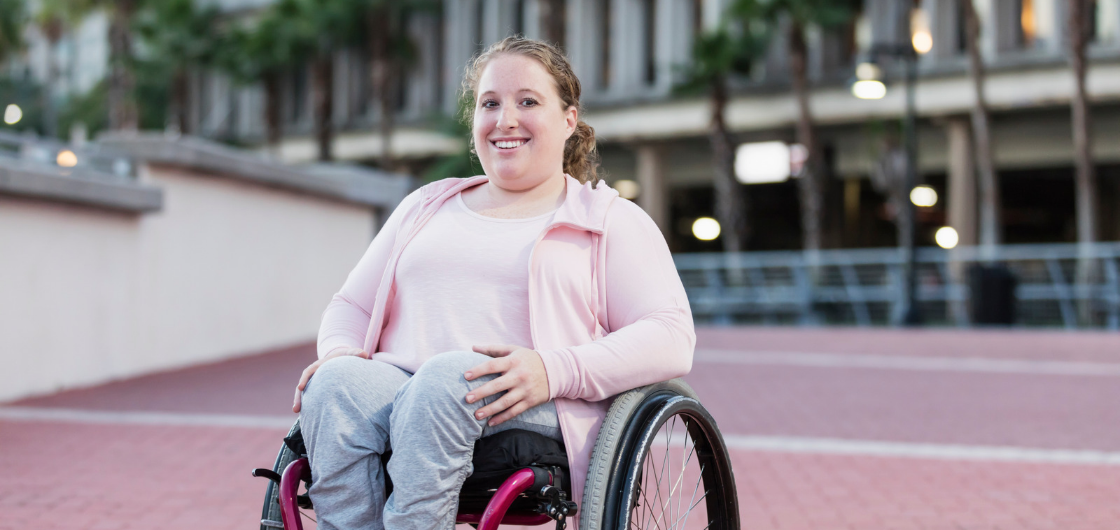
Why Spina Bifida Requires Skilled Nursing, Not Just Personal Care
The distinction between skilled nursing and personal care is not a technicality. It reflects a fundamental difference in what each type of care is equipped to do.Personal care — bathing, grooming, dressing, meal preparation, companionship, household support — is provided by trained aides and is enormously valuable for maintaining daily function and quality of life. It does not include clinical assessment, medical procedures, medication management, or the kind of monitoring that catches a developing complication before it becomes a medical emergency.
Spina Bifida produces complications that require exactly that clinical level of attention.
Neurogenic bladder, if not properly managed, causes progressive kidney damage that may produce no symptoms until significant impairment has already occurred. Recognizing the signs of urinary tract infection in someone with altered sensation requires clinical training. Catheterization performed incorrectly or with contaminated technique increases infection risk with each episode. Assessing whether the current bladder management program is protecting kidney function requires urodynamic data and clinical interpretation.
Pressure injuries can develop from stage one to stage four in days in someone with impaired sensation and circulation. A stage one pressure injury — redness that does not fade within thirty minutes of pressure relief — requires immediate clinical assessment and a care plan change. A wound that has progressed further requires skilled wound care that goes well beyond what a personal care aide is trained or authorized to provide.
Shunt malfunction can present with subtle symptoms that are easily missed or attributed to other causes. A registered nurse who knows the client's baseline can recognize a change in cognition, increased headache, altered energy level, or behavioral shift that warrants urgent medical evaluation. A personal care aide, however attentive and caring, is not trained to make that clinical judgment.
These are not edge cases. They are the routine clinical realities of caring for adults with Spina Bifida at home.
The Specific Skilled Nursing Functions That Matter Most
Catheterization support and bladder management oversight. Clean intermittent catheterization is the cornerstone of bladder management for most adults with myelomeningocele, and it must be performed consistently, on schedule, and with correct technique. Our registered nurses assess catheterization technique, ensure supplies are appropriate and correctly used, educate family caregivers who are learning to assist with the procedure, and monitor for the signs of urinary tract infection that altered sensation may otherwise mask. When bladder symptoms change — new frequency of infection, changes in urine characteristics, new or worsening incontinence — our nurses evaluate and communicate with the urologist to determine whether the management program needs to be adjusted.Urinary tract infection identification and management. UTIs are among the most common and most serious health risks for adults with neurogenic bladder. Because sensation below the lesion level is reduced or absent, the classic symptoms of burning and urgency are frequently absent. Our nurses know what to look for: cloudy, dark, or malodorous urine; new or increased spasticity; fever; altered mental status or unusual fatigue or irritability; and changes in the person's general condition that do not have another obvious explanation. Prompt identification of a UTI and timely communication with the treating physician prevents the escalation to kidney infection and sepsis that delayed recognition allows.
Skin assessment and pressure injury prevention and wound care. Every client with Spina Bifida receives systematic skin inspection at each skilled nursing visit. Our nurses assess not just visible skin surfaces but areas at risk from orthotic contact, seating, and positioning — the heel, the sacrum, the ischial tuberosities, the ankles, any area where equipment or surface contact creates sustained pressure in the absence of sensation. When early pressure injury signs are present, our nurses implement an immediate care plan change, educate the family, communicate with the physician, and document wound status with each visit. When a pressure injury requires wound care, our nurses provide skilled dressing selection, wound management, and serial assessment that personal care cannot deliver.
Shunt monitoring and neurological status assessment. Adults with Spina Bifida who have ventricular shunts require ongoing awareness of the symptoms that suggest shunt malfunction. These can be subtle — a change in cognition, increased headache, changes in vision, new drowsiness, or behavioral shifts that represent a departure from the person's established baseline. Our nurses establish that baseline explicitly at the outset of the care relationship and monitor against it at every visit. When a change is noted, the response is prompt: notification of the treating neurosurgeon or physician and guidance to the family on the urgency of evaluation.
Medication management. Adults with Spina Bifida frequently manage medications for bladder function, spasticity, pain, and other concurrent conditions. Some of these medications require careful monitoring for side effects and interactions that are particularly significant in this population. Our nurses maintain a complete and current medication list, educate the client and family on each medication's purpose and expected effects, monitor for adverse effects, and communicate with the prescribing physician when concerns arise. Medication management errors in this population can have serious consequences; skilled nursing oversight reduces that risk substantially.
Bowel program support and assessment. Neurogenic bowel requires a consistent, scheduled management program to prevent constipation, impaction, and unplanned episodes that carry significant skin integrity and quality of life implications. Our nurses assess the current bowel program for effectiveness, identify when the program needs adjustment, support family caregivers in performing the program correctly, and monitor for the changes in bowel function that can signal a change in neurological status including tethered cord.
Tethered cord and neurological change monitoring. Tethered spinal cord can produce new or worsening neurological symptoms in adults with Spina Bifida — changes in motor function, new or increased spasticity, worsening bladder or bowel control, or new pain. These changes can develop gradually and are often attributed to other causes or to normal aging before the underlying neurological change is recognized. A nurse who knows the client's baseline and visits regularly is positioned to notice these changes and ensure they receive clinical evaluation before irreversible neurological damage accumulates.
Care coordination across the specialist network. Adults with Spina Bifida maintain relationships with multiple specialists — urology, neurosurgery, physiatry, orthopedics, primary care — who may not communicate directly with each other. Our nurses serve as a clinical bridge, ensuring that changes noted in the home are communicated to the appropriate provider, that new orders from one specialist are implemented and communicated to the others where relevant, and that the family has the support they need to navigate a complex medical system. For veterans in Western Montgomery County who are also engaged with VA healthcare, our nurses coordinate with VA providers specifically, understanding the programs and resources available through the VA and ensuring continuity between VA care and home-based support.
Call 484-685-5100 Our Website
Mobility Support: Where Skilled and Non-Medical Care Intersect
Mobility challenges in Spina Bifida span the clinical and the functional in ways that require both skilled nursing and non-medical caregiving to address fully.On the skilled nursing side, our nurses assess for the upper extremity pain and overuse injuries that develop in wheelchair users and crutch walkers over years and decades. They monitor for the signs of declining upper extremity function that signal a need for rehabilitation referral before mobility is significantly compromised. They coordinate with the physiatrist and physical therapist when functional changes in mobility are observed, and they monitor for the orthopedic and musculoskeletal changes that accumulate with age in adults whose biomechanics differ significantly from the norm.
On the non-medical caregiving side, our aides assist with transfers, wheelchair management, assistance with orthotic donning and doffing, and the mobility support that allows adults with Spina Bifida to move through their daily lives with safety and dignity. Transfer technique matters: incorrect technique creates injury risk for both the client and the caregiver. Our aides are trained in proper transfer mechanics and in the specific equipment and approach that each individual client requires.
Skin inspection after orthotic removal, equipment condition monitoring, and reporting changes in mobility function to the supervising nurse are all part of how our non-medical caregiving team contributes to the clinical picture — because at BrightStar Care of Western Montgomery County, every non-medical caregiver operates under the oversight of a registered nurse who reviews the care plan, communicates with the family and physician, and remains accountable for the clinical quality of care across every visit.
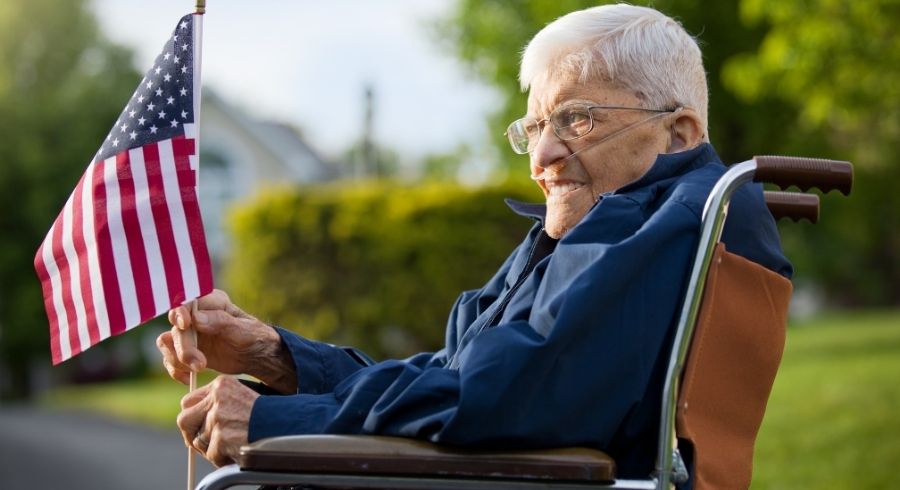
A Note on Veterans With Spina Bifida in Western Montgomery County
The VA's Spina Bifida Health Care Benefits Program provides healthcare coverage for eligible children of Vietnam and certain other veterans who were born with Spina Bifida. As adults, these individuals may be navigating both VA-provided care and community-based home care, and the coordination between these systems requires specific knowledge of VA programs and processes.BrightStar Care of Western Montgomery County has extensive experience serving veterans and their families throughout our service area. For adults with Spina Bifida who are enrolled in VA Spina Bifida benefits, our nurses understand how to work within and alongside the VA care structure, communicate with VA providers, and ensure that the home-based skilled nursing and personal care we provide complements rather than duplicates what the VA is providing.
If you are supporting a veteran's adult child with Spina Bifida, or if you yourself are receiving VA Spina Bifida benefits and seeking skilled home care support, we are glad to speak with you about how our services fit into your existing care picture.
Call 484-685-5100 Our Website
Frequently Asked Questions
Q: My family member has been managing Spina Bifida largely independently for years. Why would they need skilled nursing now?
Independent management for years is a significant achievement that reflects real capability and determination. Skilled nursing at home is not a replacement for independence — it is the clinical infrastructure that protects it. Adults with Spina Bifida face an accumulating risk of secondary complications as they age: upper extremity deterioration, increasing urological complexity, pressure injury risk, and shunt changes, among others. Many of these complications develop gradually and silently before they produce obvious symptoms. A skilled nurse visiting regularly establishes a clinical baseline, monitors for early changes, and catches problems before they become crises that force a much more disruptive intervention. The goal is always to support the person's independence, not to manage around it.Q: How does Joint Commission accreditation affect the skilled nursing care my loved one receives?
Joint Commission accreditation means that BrightStar Care of Western Montgomery County has met independently verified standards for clinical quality, safety, and care coordination that exceed standard state licensing requirements. For a condition as medically complex as Spina Bifida, where the consequences of clinical errors — a missed pressure injury, an unrecognized UTI, a delayed response to shunt symptoms — can be serious and lasting, that standard matters. Accreditation requires us to maintain documented clinical protocols, nurse oversight, quality monitoring processes, and ongoing demonstration of the standards that accreditation requires. It is one of the reasons families in Western Montgomery County trust us with care that cannot afford to be approximate.Q: Can BrightStar Care coordinate with my loved one's VA providers if they receive VA Spina Bifida benefits?
Yes. BrightStar Care of Western Montgomery County has significant experience working alongside VA healthcare for veterans and their eligible family members in our service area. Our nurses are familiar with the VA Spina Bifida Health Care Benefits Program, understand how to communicate with VA providers, and are experienced in building care plans that integrate home-based skilled nursing and personal care with the clinical management the VA provides. If your family member is enrolled in VA Spina Bifida benefits and you would like to discuss how home care fits into their existing picture, please contact our office to speak with a care coordinator.BrightStar Care of Western Montgomery County provides Joint Commission accredited skilled nursing and non-medical home care services for adults with Spina Bifida, veterans, and individuals with complex care needs throughout Eagleville, Norristown, King of Prussia, Blue Bell, Lansdale, and surrounding Western Montgomery County communities. To speak with a care coordinator about skilled nursing support for your loved one this October, contact our office today.
Contact BrightStar Care of W. Montgomery Co. | Eagleville PA
Address: 2939 W Germantown Pike A, Eagleville, PA 19403Number: 484-685-5100
Website: brightstarcare.com/locations/w-montgomery-co