
When someone you love is living with Parkinson’s disease, everyday movement can start to feel uncertain, for them and for you as their caregiver. Stiffness, slowness, and changes in balance can make simple tasks like getting out of a chair or walking through the kitchen feel like big hurdles.
The good news is that research shows that regular, targeted movement can make a big difference for Parkinson’s patients. Specific exercises support better balance, reduce stiffness, and help your loved one stay more independent in daily life. That’s why our Parkinson’s care plans include exercise as an essential part of our clients’ treatment.
Why Exercise Matters for Parkinson’s
Exercise does more than just “keep muscles strong.”
For people with Parkinson’s, it can:
- Improve balance and coordination, helping reduce the risk of falls
- Increase flexibility and range of motion, making everyday movements smoother
- Support walking, posture, and mobility, which are often affected by Parkinson’s
- Boost confidence, mood, and overall quality of life
We recommend at least 2.5 hours of exercise per week for people with Parkinson’s, adjusted to each person’s abilities and health. The goal is not perfection–it’s consistent movement that feels safe and doable.
At BrightStar Care of West Portland, our caregivers and nurses often work alongside families and therapy teams to help clients stick with the exercises that support their goals at home. So whether it’s balance exercises or using resistance bands, our team ensures that your loved one gets essential exercise safely.
Simple Balance Exercises You Can Try
Balance changes are one of the biggest worries for families, especially when falls have already happened or almost happened.
Simple, supervised balance exercises can gently challenge the body and brain to work together more effectively.
Here are a few exercises we often recommend for people with Parkinson’s:
- Standing on one foot (with support): Begin by helping your loved one stand near a counter or sturdy chair, holding on with one or both hands. Slowly, have them lift one foot a few inches off the floor and hold for a few seconds, then switch legs. This helps strengthen the muscles that support balance.
- Heel-to-toe walking: Start this exercise by helping them walk in a straight line, placing the heel of one foot directly in front of the toes of the other while holding onto a counter or rail for safety. This challenges dynamic balance and coordination.
- Side steps along a counter: Facing the counter, start the exercise by taking slow side steps to the right and left, keeping posture tall and feet apart for a stable base. This can help with lateral stability and everyday movements like getting in and out of bed.
One of our caregivers can stand close by, offer a steadying hand, and watch for signs of fatigue or dizziness. That extra layer of support can make practice feel safer for both of you.
Stretching and Resistance to Reduce Stiffness
Many Parkinson’s caregivers tell us, “They just seem so stiff.” That stiffness, especially in the shoulders, hips, and legs, can make moving more challenging. Gentle stretching and light resistance work can ease that tightness and help the body move more freely.
Some helpful approaches include:
- Gentle stretching: Guided stretches for the neck, shoulders, arms, back, and legs can increase flexibility and reduce that “locked up” feeling. Stretches for Parkinson’s should be slow and controlled, never forced, and held just to the edge of a comfortable stretch.
- Resistance band exercises: Using light resistance bands, your loved one can practice simple movements like bending and straightening the elbows, pressing the legs out to the side, or gently stretching the band in front of their chest. This builds strength in key muscle groups that support balance and posture.
- Chair-based strengthening: Practicing sit-to-stand from a sturdy chair, mini squats while holding a counter, or marching in place with support can build leg strength without requiring your loved one to be on the floor.
Studies show that multi-component exercise programs with flexibility, strength, coordination, and balance exercises can improve mobility and functional balance in people with Parkinson’s.
Our nurse-led team can help integrate these types of movements into a personalized in-home care plan, guided by each client’s therapy recommendations.
The Benefits of Yoga and Tai Chi
Gentle disciplines like yoga and tai chi have become favorites in the Parkinson’s community because they combine stretching, balance, breathing, and movement.
For people with Parkinson’s, these practices can:
- Improve balance and postural stability, which help prevent falls
- Enhance body awareness, coordination, and reaction time
- Support flexibility in the spine, hips, and shoulders
- Provide a calming effect that can ease anxiety or frustration related to symptoms
Many communities around West Portland, OR offer Parkinson’s-friendly exercise, yoga, or tai chi classes, and some physical therapists can integrate these movements into their sessions. When those recommendations come home, our caregivers can help clients safely practice what they’ve learned.
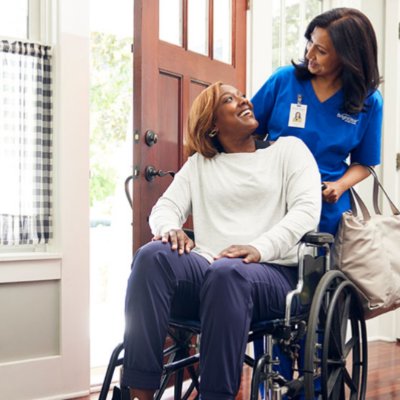
How BrightStar Care of West Portland Can Help
Trying to juggle medications, appointments, and safety while also encouraging exercise can be like a lot.
At BrightStar Care of West Portland, we step in as a partner so you don’t have to do this alone.
Here’s how our in-home care team can support your family and loved one:
- Nurse-led care plans: Every client’s plan of care is overseen by a registered nurse (RN), who can coordinate with your loved one’s physician and therapy team. That means exercises and daily routines can be thoughtfully woven into their overall care.
- Help integrating safe exercises at home: Our caregivers can support your loved one with recommended stretches, balance exercises, or walking routines, always within the guidelines set by their healthcare providers.
- Fall prevention and safety monitoring: Our team helps with home safety, supervision during mobility, and staying active in ways that feel safe and manageable.
- Support for you as the caregiver: Having another caring adult who understands Parkinson’s in the home can lighten your load emotionally and physically.
Whether your loved one has just been diagnosed or has been living with Parkinson’s for years, it’s never too late to explore how movement might help them feel more confident and steady.
Taking the Next Step
If your gut is telling you that your loved one is slowing down, moving less, or feeling more fearful about falls, you don’t have to figure this out by yourself. Let a conversation be your first gentle step toward support.
Our team proudly serves families throughout the West Portland area, offering in-home support that combines clinical oversight with everyday compassion.
Call BrightStar Care of West Portland & Salem at (503) 620-6011 to speak with a caring member of our local team. Learn more and request care online at www.brightstarcare.com/locations/west-portland/.
Together, we can build a care plan that supports better movement, greater safety, and more peace of mind for your loved one and for you.