
Chronic pain doesn’t arrive loudly.
It settles in quietly—day after day—reshaping routines, energy, mood, and independence.
For many older adults, chronic pain becomes a constant companion. Arthritis, neuropathy, back pain, post-surgical pain, migraines, fibromyalgia, or long-term joint and mobility issues don’t just hurt physically—they slowly take away confidence, sleep, and quality of life.
And for families watching a loved one struggle, the hardest part is often this question:
“How do we help without taking over their life?”
That’s where in-home care can make a meaningful difference.
Chronic pain doesn’t always look dramatic. Often, it shows up in subtle ways:

Many seniors try to “push through” pain. They don’t want to complain. They don’t want to be a burden. And they often fear that asking for help means giving up independence.
But managing chronic pain alone can actually make it worse.
Without consistent support:
In-home care doesn’t mean doing everything for someone.
It means supporting them through the pain so they can continue living life on their terms.
Living with pain is exhausting. Having someone present—patient, calm, and understanding—can ease anxiety, frustration, and loneliness.
Hospitals and clinics treat symptoms. Home care supports real life.
At home:
Chronic pain doesn’t just affect the person experiencing it—it affects the entire family.
Family caregivers often:
You may want to explore support if:
Early support often prevents pain from turning into a crisis.
Chronic pain isn’t something you “fix.”
It’s something you manage—with the right help.
In-home care meets people where they are—physically, emotionally, and practically—helping them live more comfortably, safely, and confidently at home.
If you or someone you love is living with chronic pain, support doesn’t mean giving up independence.
It means protecting it.
Contact BrightStar Care of North Dekalb & Peachtree Corners today to schedule a free in-home consultation and learn how compassionate in-home care can support chronic pain management—right where your loved one is most comfortable: home. Our office is located at 2799 Lawrenceville Hwy Suite 102, Decatur, GA 30033. You may also call us at 770-515-8444.
Care shouldn’t hurt. And no one should have to manage pain alone.
It settles in quietly—day after day—reshaping routines, energy, mood, and independence.
For many older adults, chronic pain becomes a constant companion. Arthritis, neuropathy, back pain, post-surgical pain, migraines, fibromyalgia, or long-term joint and mobility issues don’t just hurt physically—they slowly take away confidence, sleep, and quality of life.
And for families watching a loved one struggle, the hardest part is often this question:
“How do we help without taking over their life?”
That’s where in-home care can make a meaningful difference.
Chronic Pain Changes Everyday Life—Even When It’s Not Obvious
Chronic pain doesn’t always look dramatic. Often, it shows up in subtle ways:
- Getting dressed takes much longer than it used to
- Showers are avoided because standing hurts
- Sleep is interrupted night after night
- Medications are skipped or taken inconsistently
- Walking feels unsteady or exhausting
- Social activities quietly disappear
- Frustration, anxiety, or irritability increase
Why Chronic Pain Is So Hard to Manage Alone
Many seniors try to “push through” pain. They don’t want to complain. They don’t want to be a burden. And they often fear that asking for help means giving up independence.But managing chronic pain alone can actually make it worse.
Without consistent support:
- Pain flares become more frequent
- Movement decreases, weakening muscles and joints
- Medication mistakes happen
- Fatigue and stress increase
- Safety risks multiply
How In-Home Care Supports Chronic Pain—Without Taking Away Independence
In-home care doesn’t mean doing everything for someone.It means supporting them through the pain so they can continue living life on their terms.
1. Gentle Support With Daily Activities
Caregivers assist with tasks that aggravate pain—like bathing, dressing, or household chores—while encouraging independence wherever possible. This reduces strain, fatigue, and injury risk.2. Medication Support & Pain Monitoring
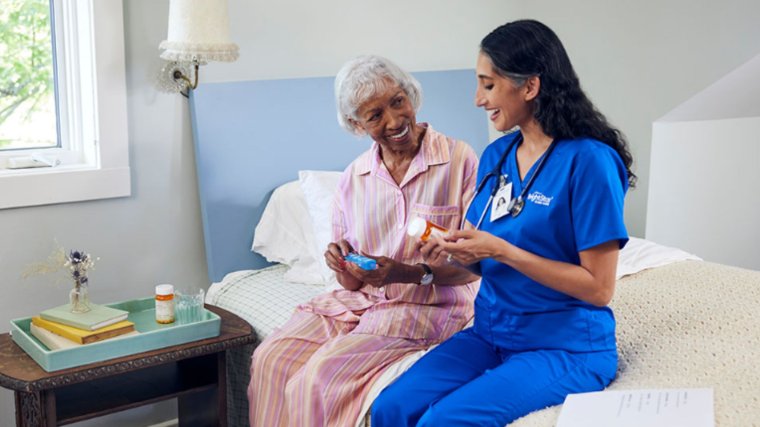
Pain management often involves multiple medications with specific timing. In-home caregivers and nurses help ensure medications are taken correctly and monitor for changes that should be shared with a healthcare provider.3. Mobility & Fall Prevention
Pain often leads to stiffness and instability. Caregivers provide steady assistance, help with transfers, encourage safe movement, and reduce fall risks at home.4. Skilled Nursing Care When Needed
For more complex pain conditions, private duty nurses can:- Monitor symptoms
- Coordinate with physicians
- Support post-surgical or post-hospital recovery
- Manage chronic conditions alongside pain
5. Emotional & Mental Health Support
Living with pain is exhausting. Having someone present—patient, calm, and understanding—can ease anxiety, frustration, and loneliness.
The Overlooked Benefit: Pain Is Easier to Manage at Home
Hospitals and clinics treat symptoms. Home care supports real life.At home:
- Routines stay familiar
- Stress levels drop
- Sleep improves
- Movement feels safer
- Pain is managed in context—not in isolation
In-Home Care Also Helps Family Caregivers
Chronic pain doesn’t just affect the person experiencing it—it affects the entire family.Family caregivers often:
- Take on physical tasks that strain their own bodies
- Worry constantly about safety
- Feel guilt, exhaustion, and burnout
- Struggle to balance caregiving with work and family
When It May Be Time to Consider In-Home Care for Chronic Pain
You may want to explore support if:
- Pain is interfering with daily routines
- Medications or appointments are being missed
- Mobility feels unsafe
- Sleep is consistently disrupted
- Your loved one is withdrawing socially
- You’re feeling overwhelmed trying to manage it all
Early support often prevents pain from turning into a crisis.
Chronic Pain Deserves Compassionate, Ongoing Support
Chronic pain isn’t something you “fix.”It’s something you manage—with the right help.
In-home care meets people where they are—physically, emotionally, and practically—helping them live more comfortably, safely, and confidently at home.
If you or someone you love is living with chronic pain, support doesn’t mean giving up independence.
It means protecting it.
FAQs: Chronic Pain & In-Home Care
1. How can in-home care help seniors manage chronic pain?
In-home care helps seniors manage chronic pain by providing daily support with personal care, mobility, medication reminders, and safety. Caregivers and nurses also monitor changes in pain levels, reduce physical strain from daily tasks, and create routines that support comfort, rest, and overall well-being—right at home.2. Is in-home care appropriate for long-term chronic pain conditions?
Yes. In-home care is well-suited for long-term chronic pain conditions such as arthritis, neuropathy, back pain, and joint disorders. Care plans can be adjusted over time as pain levels change, offering consistent support without disrupting a senior’s independence or lifestyle.3. When should a family consider in-home care for chronic pain?
Families should consider in-home care when chronic pain begins to interfere with daily activities, sleep, mobility, medication management, or safety—or when caregiving becomes physically or emotionally overwhelming. Early support often helps prevent falls, hospitalizations, and caregiver burnout.
We’re Here to Support Your Loved One
Contact BrightStar Care of North Dekalb & Peachtree Corners today to schedule a free in-home consultation and learn how compassionate in-home care can support chronic pain management—right where your loved one is most comfortable: home. Our office is located at 2799 Lawrenceville Hwy Suite 102, Decatur, GA 30033. You may also call us at 770-515-8444.Care shouldn’t hurt. And no one should have to manage pain alone.