
The new year often comes with big hopes: better routines, healthier habits, more balance.
But if you’re a family caregiver, turning the calendar doesn’t magically erase exhaustion.
Caring for a loved one is a beautiful act of love—but it can also be draining, emotional, and overwhelming, especially after the rush of the holidays. That’s where respite care can make all the difference. It doesn’t replace you. It simply gives you a chance to breathe.
In many ways, respite care is the “fresh start” caregivers don’t even realize they need.
Respite care is short-term help that steps in so you can step back—for a few hours, a day, a weekend, or longer.
A trained caregiver or nurse comes to your loved one at home, providing the support they need while you:
The holidays are often intense for caregivers: disrupted routines, extra responsibilities, visitors, emotions, and sometimes more medical issues or changes in your loved one’s condition.
By January, a lot of caregivers are running on empty.
The new year is a natural time to ask yourself:
Caregiving can be heavy, even when it’s done with love. Over time, constant responsibility and worry can lead to burnout.
Respite care can help you:
Respite care isn’t just good for you—it’s good for the person you love.
Every family is different, so respite care can be flexible. It might include:
One of the hardest parts of being a caregiver is giving yourself permission to take a break.
You might think:
Respite care is not selfish. It’s wise.
Taking care of yourself is one of the most loving things you can do—for you and for the person you’re caring for. A rested, supported caregiver can show up with more patience, compassion, and strength.
A “fresh start” in the new year doesn’t have to mean changing everything at once. It can be as simple as:
If your loved one needs extra support, we’re here. Reach out to BrightStar Care of Ft. Meyers / Naples and let’s create a care plan that feels right. Visit our website or contact us at 239-992-4779. You can also find us at 2545 Northbrooke Plaza Dr, Naples, FL 34119, United States.
Respite care can be as frequent or occasional as needed. Many caregivers schedule regular breaks, such as a few hours each week, while others may need respite care during particularly busy or stressful times, like after a hospitalization or when their loved one's condition changes.
Yes! BrightStar Care offers skilled nursing services as part of respite care. If your loved one has medical needs such as medication management, wound care, or chronic condition monitoring, our trained nurses can provide the appropriate care while you take a well-deserved break.
No, in fact, respite care often benefits both the caregiver and the loved one. Your loved one receives care from a trained professional who provides fresh energy, companionship, and safety. This allows you to take the time you need to recharge, and when you return, you’re more present and patient.
At this time, BrightStar Care does not accept Medicaid for respite care services. However, we work with many other insurance providers, and we can help guide you through understanding payment options or finding other financial assistance to cover care costs.
But if you’re a family caregiver, turning the calendar doesn’t magically erase exhaustion.
Caring for a loved one is a beautiful act of love—but it can also be draining, emotional, and overwhelming, especially after the rush of the holidays. That’s where respite care can make all the difference. It doesn’t replace you. It simply gives you a chance to breathe.
In many ways, respite care is the “fresh start” caregivers don’t even realize they need.
What Is Respite Care, Really?
Respite care is short-term help that steps in so you can step back—for a few hours, a day, a weekend, or longer.A trained caregiver or nurse comes to your loved one at home, providing the support they need while you:
- Catch up on sleep
- Go to appointments
- Spend time with your kids or spouse
- Run errands
- Or just sit in quiet and regroup
Why the New Year Is the Perfect Time to Consider Respite Care
The holidays are often intense for caregivers: disrupted routines, extra responsibilities, visitors, emotions, and sometimes more medical issues or changes in your loved one’s condition.By January, a lot of caregivers are running on empty.
The new year is a natural time to ask yourself:
- How am I really doing?
- Am I getting enough rest?
- Do I feel more irritable, emotional, or forgetful?
- Have I been ignoring my own health?
How Respite Care Supports Your Emotional Well-Being
Caregiving can be heavy, even when it’s done with love. Over time, constant responsibility and worry can lead to burnout.Respite care can help you:
1. Step Out of “Crisis Mode”
When you’re caring 24/7, you’re always “on.” Even small breaks give your mind a chance to slow down, reset, and think clearly again.2. Feel Less Alone
Knowing a trusted professional is there with your loved one can ease the guilt and fear that many caregivers carry. You’re not abandoning them—you’re building a team.3. Make Space for Your Own Life
You’re more than a caregiver. You might be a parent, partner, friend, or professional too. Respite care gives you time to reconnect with the parts of yourself that sometimes get pushed aside.
How Respite Care Helps Your Loved One, Too
Respite care isn’t just good for you—it’s good for the person you love.
- They benefit from fresh energy and attention from a trained caregiver.
- They may enjoy a change in routine, new conversation, or a different face.
- They stay safe and supported at home, even when you can’t be there.

What Respite Care Can Look Like in the New Year
Every family is different, so respite care can be flexible. It might include:
- Help with personal care (bathing, dressing, grooming)
- Meal prep and light housekeeping
- Medication reminders
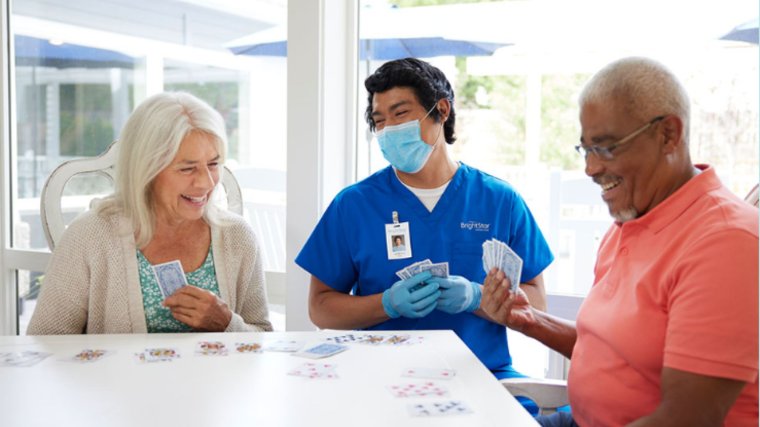
- Companionship, games, conversation, and activities
- Supervision and safety support
- Skilled nursing care, if your loved one has medical needs
Giving Yourself Permission to Rest
One of the hardest parts of being a caregiver is giving yourself permission to take a break.You might think:
- “I should be able to handle this.”
- “It’s selfish to ask for help.”
- “If I step away, something might go wrong.”
Respite care is not selfish. It’s wise.
Taking care of yourself is one of the most loving things you can do—for you and for the person you’re caring for. A rested, supported caregiver can show up with more patience, compassion, and strength.

A Fresh Start Doesn’t Have to Be Big
A “fresh start” in the new year doesn’t have to mean changing everything at once. It can be as simple as:
- Scheduling one afternoon of respite care to rest
- Planning a recurring weekly or monthly visit
- Checking in with yourself and noticing how much better you feel with support
- Small changes add up. And sometimes, that first step—asking for help—is the biggest one.