
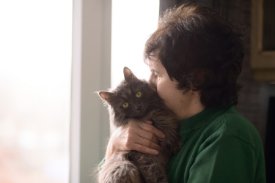
 The death of a beloved pet is often a devastating experience—especially for an elderly person who may have spent years or even decades sharing daily life with their furry companion. The question that naturally arises after the loss is: Should I get another pet? Or for family members and caregivers: Should we encourage Mom or Dad to get another dog or cat?
The answer is deeply personal. There’s no one-size-fits-all solution, but understanding the emotional, practical, and lifestyle factors involved can help make the decision clearer.
For many older adults, a pet is more tha a pet: they can be a source of purpose, routine, and love. Pets can ease loneliness, reduce anxiety, and even improve physical health. So when a pet dies, one can feel deep sadness - like losing a partner or a piece of oneself.
When the worst of the grief passes, some seniors may feel a longing for that companionship again and desire a new furry friend. But there are important factorsd to consider given the age and overall health of your elderly loved one:
- Is it too soon? Some people may need time before they're emotionally ready to care for another animal. Others may feel ready almost immediately. There is no correct timeline—what matters is honesty with oneself.
- Is the elderly person physically and financially able? Pets require feeding, exercise, vet care, grooming, and in some cases, medication. If mobility, health, or finances are limited, it may be helpful to consider pets with lower maintenance needs or support options from family and community.
- Would the same kind of pet be the best alternative? A large, energetic dog might be too much for someone with limited strength or balance, while a smaller or older dog or cat might be more manageable. Birds, rabbits, or even fish can be a smart choice and require less physical care
- What happens if the person’s health declines? It’s important to think ahead. Are there family members or friends who can help with pet care or assume responsibility if needed? Planning ahead ensures peace of mind.
If owning a new pet feels too overwhelming, there are still ways to enjoy animal companionship: Fostering shelter pets or voluneering at a shelter is a great way to spend time with animals and reap the emotional beenfits without the commitment required for an aging person. Visits from a pet therapy organization can be arranged and is also an easier way to keep animals in your loved one's life.

If the idea of welcoming another pet brings comfort or excitement, and is feasible, then it could be a healing next step. However, if age and health is a factor, then finding ways to interact with animals without ownership is an ideal alternative.