
Walking is one of the simplest ways to stay active, yet its benefits can make a meaningful difference in maintaining healthy aging. You don't need expensive equipment or a gym membership to get moving. Just a comfortable pair of shoes and a safe place to walk is all you need to get started!
For older adults, regular walking can support physical health, mobility, balance, coordination, and independence. For seniors in Grapevine, Southlake, Keller, and surrounding Northeast Tarrant County communities, walking can also be a simple way to stay active while enjoying the outdoors and staying connected.
Walking Supports Overall Health
Regular walking is a low-impact form of physical activity that gets the heart pumping and keeps the body moving. Physical activity can support heart health, bone health, healthy weight management, sleep, and overall quality of life.
Even short walks throughout the day can be a practical way for seniors to incorporate more movement into their routine.
Walking Can Improve Agility
Agility isn't just for athletes. For seniors, agility helps with everyday movements such as changing direction, stepping around obstacles, getting up from a chair, and navigating the home safely.
Walking regularly encourages coordinated movement. When appropriate, seniors can add gentle changes in pace, controlled turns, or different safe walking surfaces to their routine.
Always choose activities and walking environments that are appropriate for your abilities.
Walking Supports Balance and Stability
Balance can become more challenging with age. Regular walking gives the body opportunities to practice stability while moving.
Balance exercises can also be incorporated into a senior's weekly routine. Seniors who have experienced falls or have significant balance of concerns should speak with a healthcare professional before beginning new exercises.
Walking Helps Keep Muscles Moving

Walking engages several major muscle groups, particularly in the legs and lower body. Maintaining lower-body strength can make everyday activities easier, including:
- Standing up from a chair
- Climbing stairs
- Getting in and out of a vehicle
- Walking through a store
- Moving safely around the home
- Participating in hobbies and social activities
Walking may not replace strength training, but it can be an important part of an overall activity routine.
Walking Can Support Joint Mobility
Regular movement can help prevent excessive sedentary time and keep the hips, knees, ankles, and other joints moving.
For seniors who experience stiffness after sitting for long periods, short walks throughout the day can be an easy way to add more movement.
If walking causes persistent or significant pain, talk with a healthcare provider rather than pushing through it.
Walking Can Benefit Mental and Social Well-Being
Walking isn't just good for physical health. Getting outside, changing your surroundings, or spending time with a friend can make walking an enjoyable part of the day.
Walking with a family member, friend, or caregiver can also provide social connection and motivation to stay active.
How Much Walking Should Seniors Do?
Every senior is different. Activity levels should take into account an individual's health, mobility, fitness level, and recommendations from their healthcare provider.
If you're currently inactive, start small. Try a 5- to 10-minute walk and gradually increase the duration as your strength and endurance improve. Several shorter walks throughout the day can also be a practical alternative to one longer walk.
Make Walking Safer
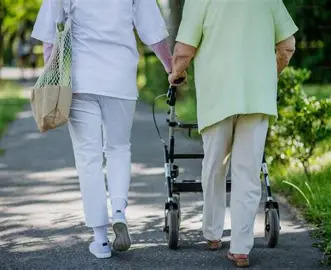
Safety should always come first, particularly for seniors with balance or mobility concerns.
- Wear comfortable, supportive shoes.
- Choose familiar, well-lit walking areas.
- Avoid uneven or slippery surfaces.
- Stay hydrated.
- Bring a phone when walking away from home.
- Walk with a friend, family member, or caregiver when additional support is needed.
- Use prescribed mobility equipment as directed.
- Be mindful of extreme Texas temperatures.
If outdoor walking isn't practical, consider indoor walking at home or another safe indoor location.
Make Walking Part of Your Daily Routine
The easiest way to make walking a habit is to connect it with activities you already enjoy.
Morning: Take a short walk after breakfast.
Afternoon: Walk around the neighborhood or visit a local park.
Evening: Take a leisurely walk after dinner with a loved one or caregiver.
At home: Walk around the house periodically instead of sitting for long periods.
Remember, every step counts.
Supporting Active Aging in Grapevine, Southlake & Keller
Families in Grapevine, Southlake, Keller, Colleyville, Westlake, and surrounding Northeast Tarrant County communities may eventually notice that an aging loved one is having more difficulty staying active or safely completing everyday activities.
Personalized senior home care can provide additional support while allowing older adults to remain in familiar surroundings.
BrightStar Care of Grapevine, Southlake & Keller provides in-home care tailored to each client's individual needs. Care may include assistance with daily activities, personal care, companionship, and other supportive services.
A caregiver can provide encouragement and assistance with appropriate daily routines while helping seniors remain engaged in the activities they enjoy.
Take the Next Step Toward Healthy Aging
Walking may be simple, but making it part of a regular routine can support health, mobility, balance, agility, and independence.
If your loved one is having difficulty staying active, managing daily activities, or moving safely around the home, additional support may help.
BrightStar Care of Grapevine, Southlake & Keller is here to help. Our caregivers provide personalized in-home support designed around each senior's needs.
Call today to learn more about senior home care and discuss your family's needs.