
Life After a Stroke: Why Home Is a Powerful Place to Heal
Coming home after a hospital or rehab stay is a huge milestone, but it’s also when many families start to feel the weight of “What now?” Suddenly you’re trying to manage medications, mobility, safety, and emotions—all while figuring out what recovery should look like.In-home therapies bring expert support right into your loved one’s daily routine so healing happens in the place they know best. Therapists can see how your loved one actually lives—how they move through the bedroom, bathroom, kitchen—and design a plan that fits their real life, not just a clinic schedule.
How In-Home Physical Therapy Supports Recovery
Physical therapy (PT) focuses on helping your loved one move safely and confidently again. After a stroke, muscles may be weak, balance can be off, and even standing up from a chair can feel scary.At home, a physical therapist can:
- Work on strength and balance with exercises tailored to your loved one’s abilities, such as walking practice, stair training, or sit-to-stand repetitions.
- Address fall risk directly in the home environment by assessing rugs, lighting, stairs, and bathroom layouts.
- Help with safe use of mobility aids like walkers, canes, or wheelchairs and teach both the survivor and family how to use them correctly.
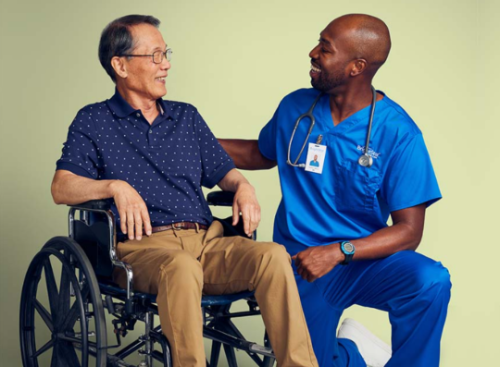
How In-Home Occupational Therapy Restores Daily Life
Occupational therapy (OT) helps your loved one get back to everyday activities—bathing, dressing, eating, managing household tasks, and even hobbies. After a stroke, it’s common to struggle with coordination, one-sided weakness, memory, or problem-solving, all of which affect independence.At home, an occupational therapist can:
- Break down daily tasks like bathing, grooming, and meal preparation into manageable steps that match your loved one’s current abilities.
- Recommend adaptive equipment (grab bars, shower chairs, raised toilet seats, special utensils) and show your family how to use them safely.
- Work on cognitive skills like memory, safety awareness, and judgment using real-life situations—managing medications, safely using the stove, or answering the door.
How In-Home Speech Therapy Supports Communication and Swallowing
Speech-language therapy (often called speech therapy) addresses changes in speaking, understanding, reading, writing, and swallowing that can follow a stroke. When someone you love can’t find words or safely swallow food, it affects everything—from safety and nutrition to confidence and connection.In the home, a speech therapist can:
- Help your loved one practice expressing needs, forming sentences, and following directions using familiar objects and daily routines.
- Work on understanding conversations, reading labels or mail, and writing simple messages to keep them engaged and informed.
- Address swallowing issues with exercises, strategies, and positioning, and guide your family on safe food textures and mealtime routines.
Why Home Therapies Can Be Easier on Families
For many families travelling back and forth to multiple therapy appointments several times a week is simply not realistic. In-home therapy reduces this burden by bringing care to you.Some key benefits families often notice:
- Less stress and fatigue for the stroke survivor since they don’t have to deal with transportation and waiting rooms.
- More involvement for family caregivers, who can watch sessions, learn techniques, and ask questions in real time.
- Better carryover of exercises because therapists can build routines into activities you’re already doing at home.
- Earlier detection of issues—therapists and in-home care teams can spot changes in mood, mobility, or safety and alert nurses or physicians.
Practical Tips for Getting Started with Home Therapies
If you’re wondering how to even begin, these steps can help:- Talk to your loved one’s doctor and ask for orders for physical, occupational, and speech therapy at home.
- Ask about home health and in-home care and how they can work together; home health often delivers the clinical therapies, while in-home care supports daily living and safety.
- Write down your biggest worries (falls, choking, confusion, caregiver burnout) and share them with the nurse or therapist so the care plan addresses what matters most to you.
- Start small and celebrate wins—an extra five steps, dressing with less help, saying a new word—because these small gains add up over time.
FAQ: In-Home Therapies After a Stroke
Q1: How soon after a stroke can in-home therapy begin?
In many cases, in-home therapy can begin soon after discharge from the hospital or rehab facility, once a physician writes the appropriate orders and your loved one is medically stable. Starting early helps maintain gains made in inpatient rehab and can reduce the risk of decline at home.
Q2: Do we need all three therapies—PT, OT, and speech?
Not every stroke survivor needs every therapy, but many benefit from a combination. Physical therapy focuses on movement and balance, occupational therapy on daily tasks and cognition, and speech therapy on communication and swallowing; your care team will assess which are appropriate.
Q3: Is home-based rehab really as effective as going to a clinic or rehab center?
Home-based rehabilitation can be as effective as facility-based rehab and more effective than usual care in improving independence in daily activities after a stroke. It’s especially helpful because therapy happens in the same environment where your loved one needs to function every day.
Q4: How can I support therapy as a family caregiver without feeling like a “second therapist”?
You don’t have to do everything. Ask each therapist for one or two simple exercises or strategies you can safely help with, and build them into your loved one’s natural routine—like practicing a few steps on the way to the bathroom or doing speech exercises at mealtimes. Over time, these small, repeated actions make a meaningful difference.
Q5: Who do I call if I’m in Greater Austin and want to explore in-home stroke support?
You can contact Contact Us | Greater Austin | BrightStar Care or reach out online to request a consultation. A nurse-led team will talk through your loved one’s condition, goals, and home setup and help you design a plan that may include physical, occupational, and speech therapy along with in-home care.