
ADLs are the basic tasks we do every day without thinking—until they get harder. For many seniors, these are the first areas where subtle changes show up.
They usually include:
One of the biggest fears families have is:
“If we bring in help, Mom will just stop trying.”
In reality, good ADL support is designed to protect independence, not take it away.
A trained caregiver or nurse knows how to:
Here’s something many people don’t know:
Trouble with bathing, dressing, or moving around can be the first sign that a fall is coming.
Think about it:
By having someone there to:
Assistance with daily living isn’t only about physical tasks. It can also uncover emotional changes you might not see during quick visits.
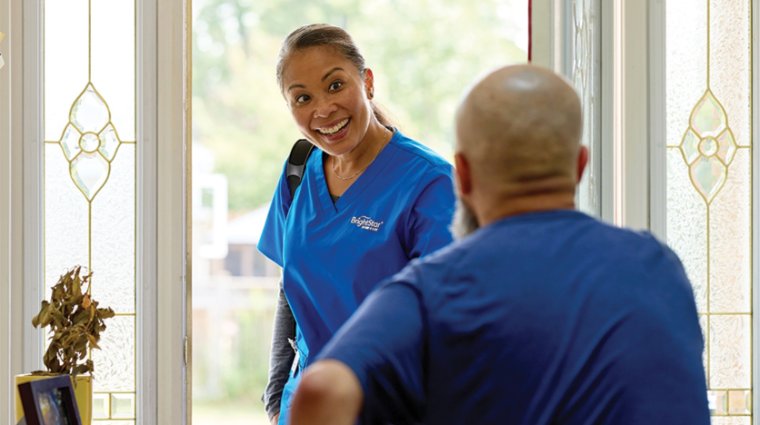
Caregivers often notice when a senior:
Sometimes, that’s not just “slowing down”—it can be a sign of:
For example:

Here’s how assistance with daily living might show up in a typical day:
You might want to consider ADL support if you’ve noticed any of these:
Assistance with daily living might look simple from the outside—help with a shower, a steady arm, a reminder to eat—but for seniors, it can mean:
You’re not giving up their independence. You’re protecting it.
Call BrightStar Care of Greater Austin at 512-452-9800 or visit our website for more details on how we can help your loved one thrive at home. Our office is located at 9111 Jollyville Rd STE 160, Austin, TX 78759.
ADL support is designed to encourage seniors to do as much as they can on their own, while providing help with the tasks they are struggling with. It allows them to stay at home longer, safely, and with dignity, without feeling overwhelmed.
Yes! We offer flexible care options, from a few hours a day to 24/7 support, depending on your loved one’s needs. Whether it’s for a short-term need or ongoing assistance, we’re here to help.
They usually include:
- Bathing and showering – safely getting in and out, washing, drying off
- Dressing – choosing appropriate clothes and getting dressed
- Grooming – brushing hair, shaving, oral care
- Toileting – getting to and from the bathroom, hygiene
- Eating – being able to feed oneself (even if meals are prepared by someone else)
- Mobility – moving around the home, transferring from bed to chair, etc.
A Big Misconception: “If We Get Help, They’ll Lose Their Independence”
One of the biggest fears families have is:“If we bring in help, Mom will just stop trying.”
In reality, good ADL support is designed to protect independence, not take it away.
A trained caregiver or nurse knows how to:
- Step in only where help is truly needed
- Encourage your loved one to do what they can still do
- Break tasks into smaller steps so they feel manageable
- Keep routines familiar so your loved one still feels in control
The Hidden Safety Factor: ADLs and Preventing Falls
Here’s something many people don’t know:Trouble with bathing, dressing, or moving around can be the first sign that a fall is coming.
Think about it:
- Struggling to step into the tub
- Losing balance while pulling on pants
- Reaching for items while unsteady
By having someone there to:
- Offer a steady arm
- Prepare the bathroom with grab bars, non-slip mats, and a shower chair
- Suggest safer ways to move and stand
ADLs Are Also an Emotional Health Check
Assistance with daily living isn’t only about physical tasks. It can also uncover emotional changes you might not see during quick visits.Caregivers often notice when a senior:
- Stops changing clothes regularly
- Loses interest in bathing or grooming
- Eats less or skips meals
- Seems withdrawn or unusually quiet
Sometimes, that’s not just “slowing down”—it can be a sign of:
- Depression
- Anxiety
- Cognitive changes
- Grief or loneliness
What Many Families Don’t Realize About ADL Support
Here are a few “did you know?” points that surprise a lot of people:1. It Doesn’t Have to Be 24/7
Assistance with daily living can be just a few hours a week.For example:
- Morning help with bathing, dressing, and breakfast
- Evening help with changing clothes and getting safely into bed
2. It’s Not Just for “Very Sick” Seniors
Many families wait until things feel like a crisis before asking for help. In reality, early support can:- Prevent injuries
- Reduce hospital visits
- Keep your loved one stronger for longer
3. ADL Help Can Reduce Family Tension
Sometimes it’s easier for a parent to accept help from a trained caregiver than from their own child. It can:- Preserve dignity
- Ease awkward or emotional moments
- Let you focus on being a son, daughter, or spouse—not only a caregiver
4. ADL Changes Are Often Used to Measure “How Someone’s Really Doing”
Doctors, nurses, and sometimes insurers look at ADLs to understand how much support someone truly needs. Struggling with daily tasks isn’t a failure—it’s important information that helps shape safer, more realistic care.
What ADL Support Looks Like in Real Life
Here’s how assistance with daily living might show up in a typical day:
- A caregiver arrives in the morning, helps your loved one get out of bed safely, and assists with bathing and dressing.
- They prepare a light breakfast, encourage hydration, and sit down to chat for a few minutes.
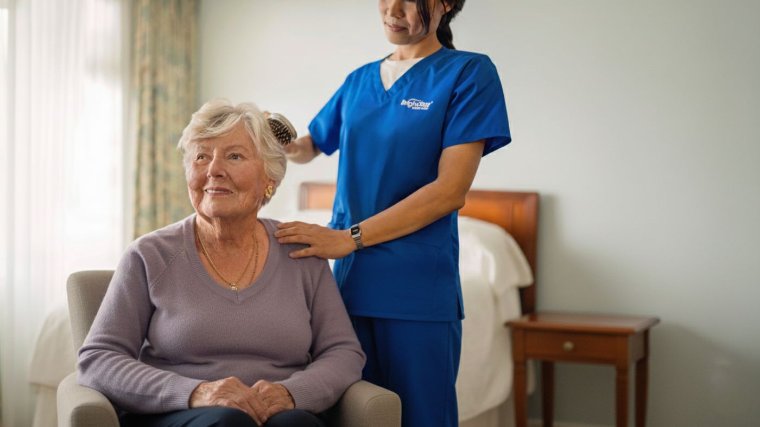
- They help with grooming—hair, teeth, clean clothes—so your loved one feels good about themselves.
- They tidy up the bathroom and bedroom to keep walkways clear.
- They support safe movements around the home, maybe a short walk or gentle stretching.
How to Know If It’s Time to Ask for Help
You might want to consider ADL support if you’ve noticed any of these:
- You worry about your loved one falling in the shower or bathroom
- They’re skipping baths or wearing the same clothes for days
- You see bruises they can’t explain
- Meal routines are slipping or they’re losing weight
- You’re feeling burned out from trying to do it all yourself
Let BrightStar Care of Greater Austin Help With the “Small Stuff”
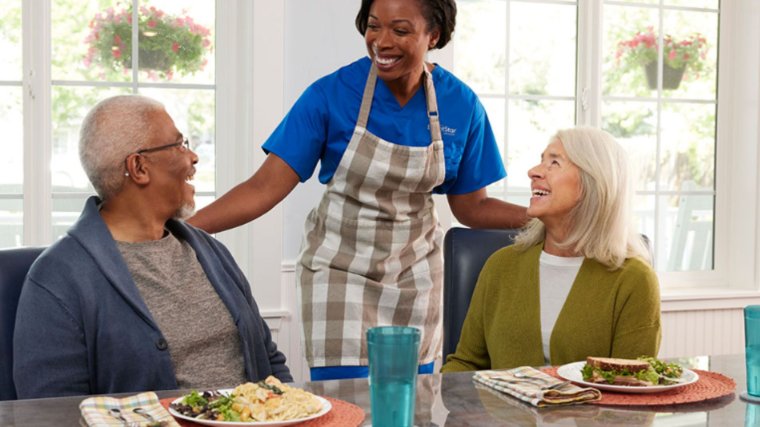
Assistance with daily living might look simple from the outside—help with a shower, a steady arm, a reminder to eat—but for seniors, it can mean:
- Feeling clean, comfortable, and confident
- Staying at home longer, safely
- Having more good days than hard ones
- And for families, sleeping a little easier at night
You’re not giving up their independence. You’re protecting it.
Call BrightStar Care of Greater Austin at 512-452-9800 or visit our website for more details on how we can help your loved one thrive at home. Our office is located at 9111 Jollyville Rd STE 160, Austin, TX 78759.