
Companion care for seniors is a non-medical in-home service focused on social engagement, daily living support, and emotional well-being. In Austin, TX, companion caregivers help older adults stay active, connected, and safe by providing consistent interaction, assistance with light tasks, and accompaniment to activities. For families noticing their loved one becoming more isolated as autumn sets in, companion care is the most direct solution that doesn't require a medical need to start.
Companion care is professional, non-medical support centered on reducing isolation through conversation, shared activities, errand assistance, meal prep, and light housekeeping.
Why Do Seniors Need Companion Care in Autumn?
Autumn in Austin brings relief from summer heat, but it also introduces conditions that quietly increase isolation for older adults:
- Shorter daylight hours reduce motivation to go outside and disrupt sleep patterns
- Cooler mornings make seniors less likely to leave the house unaccompanied
- Fewer neighborhood interactions as outdoor socializing slows down
- Holiday anticipation can amplify feelings of loneliness for those living alone
- Routine disruption from weather and schedule changes leads to withdrawal
Research links prolonged isolation in seniors to a 50% increased risk of dementia, higher rates of depression, and faster cognitive decline. Companion care directly interrupts that cycle before it takes hold.
What Does a Companion Caregiver Actually Do?
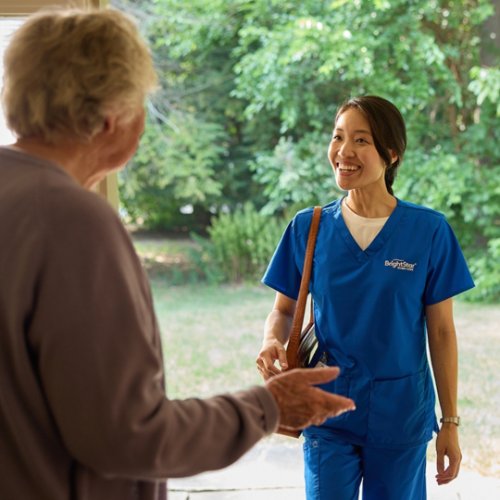
A companion caregiver isn't a nurse or a housekeeper. They're a consistent, caring presence. During autumn months, that typically looks like:
- Conversation and social engagement that breaks the silence of living alone
- Accompanied outings like walks through the neighborhood, trips to parks, or farmers markets
- Light meal preparation with warm, seasonal foods shared together
- Errand support including grocery runs, pharmacy pickups, or appointments they'd otherwise skip
- Activity participation such as cards, puzzles, reading aloud, gardening, or seasonal crafts
- Safety awareness by noticing mood shifts, appetite changes, or mobility issues and flagging them for family
The focus is quality of life, not medical intervention.
How Is Companion Care Different from Other In-Home Services?
Companion care centers on social and emotional well-being. Think conversation, outings, meals, and light housekeeping provided by a trained caregiver.
Personal care focuses on physical daily living tasks like bathing, dressing, toileting, and transfers, provided by a certified aide.
Skilled nursing addresses medical needs such as wound care, injections, and medication management, provided by a licensed nurse.
Many families start with companion care and adjust the plan over time if physical or medical needs increase. You don't need a diagnosis or doctor's order to begin.
Who Benefits Most from Companion Care in Autumn?
Companion care is ideal for seniors who are:
- Living alone and going long stretches without meaningful interaction
- Physically capable but losing motivation to stay active as the season changes
- Dealing with early-stage memory changes that make solo outings risky
- Recovering emotionally from losing a spouse or close friend
- Resistant to "needing help" but open to having company
It's also a powerful tool for family caregivers experiencing burnout. Having a reliable companion step in a few days per week provides breathing room without the guilt of institutional care.
Can Companion Care Help Prevent Cognitive Decline?
Yes. Consistent social engagement is one of the strongest modifiable factors in slowing cognitive decline. Studies show that seniors with regular social interaction experience slower memory loss progression, better executive function, lower rates of depression-related cognitive impairment, and improved daily decision-making.
A companion caregiver provides structured, recurring interaction that a weekly phone call or monthly family dinner simply can't replace. Especially during autumn when natural social opportunities shrink, that consistency matters.
FAQ
Q: How quickly can companion care start in Austin, TX?
A: BrightStar Care of Greater Austin can typically begin services within 24-48 hours of an initial consultation. No physician referral is required for non-medical companion care.
Q: What if my loved one says they don't need help?
A: This is extremely common. Framing it as "company" rather than "care" often helps. Many seniors who resist the idea of a caregiver warm up quickly once they experience the social connection a companion provides.
Q: Can companion care transition to a higher level of care later?
A: Yes. BrightStar Care offers a full continuum from companion care through personal care and skilled nursing. If needs change, your care team adjusts the plan without switching providers.
Q: What qualifications do companion caregivers have?
A: BrightStar Care companion caregivers are screened, trained, and matched based on personality and interests, not just availability. This ensures the relationship feels natural rather than transactional.
Ready to give your loved one the connection and support this autumn?
Contact BrightStar Care of Greater Austin today for a free consultation. Our companion caregivers are ready to bring warmth, engagement, and peace of mind to your family. Call us or visit our website to learn more.