
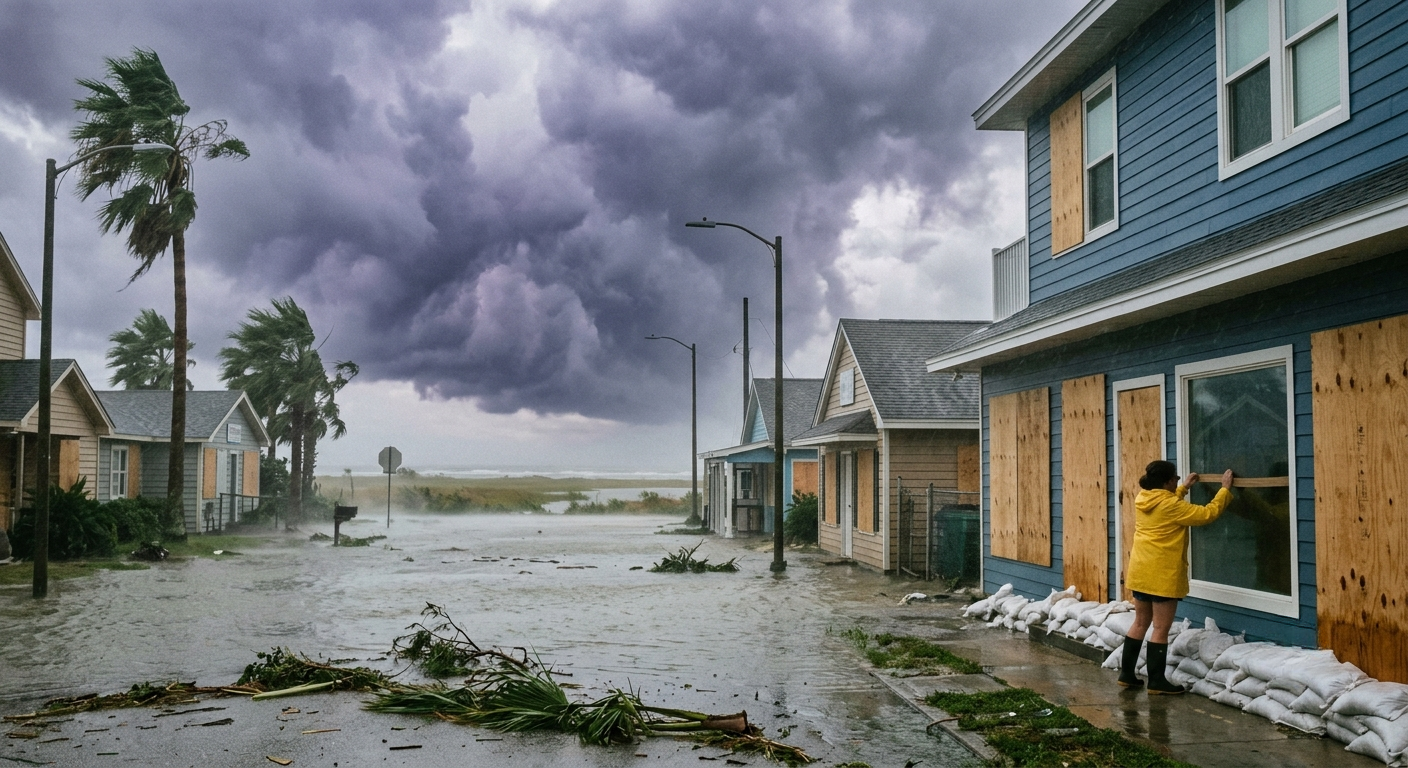
In the month after Hurricane Sandy hit New Jersey in 2012, all-cause mortality among adults 76 and older rose 10%, and by 13% over the following quarter, according to a peer-reviewed study of state death records. Sandy's real danger for older residents had less to do with wind speed and more to do with what came after: power outages, medication gaps, and disrupted routines. NOAA's 2026 outlook calls for a quieter-than-average season, but quiet doesn't mean nothing reaches us.
Bergen County has lived through this more than once. During Sandy, the runway at Teterboro Airport sat underwater for days. During Irene the year before, and again when Ida's remnants arrived in 2021, families across Hackensack, Paramus, Rutherford, and Westwood dealt with the same combination: no power, no easy way out, and an aging parent who needed both.
This article covers what NOAA's seasonal outlook actually means, why extended power outages are especially dangerous for older adults, and what to prepare before hurricane season peaks in Bergen County.
Quick answer: NOAA's hurricane outlook measures how active the Atlantic Ocean will be, not whether a storm reaches New Jersey, so a quiet forecast doesn't mean no preparation. For a family with an aging parent, the biggest risks usually aren't wind or rain directly, they're the days after: lost power, interrupted medication routines, and generator misuse. Confirming a backup power plan, a few days of medication on hand, and a clear evacuation destination before the season peaks in mid-August matters more than tracking any single storm.
What Does NOAA's 2026 Hurricane Season Outlook Actually Mean for Bergen County?
It measures how many storms are likely to form across the entire Atlantic Ocean, not whether any of them will reach New Jersey. NOAA gives roughly a 55% chance of a below-normal season, with eight to fourteen named storms, and says directly that this outlook doesn't predict landfall for any specific place. A quiet season number tells you almost nothing about whether the one storm that does track toward the Northeast will find Bergen County.
How Have Past Hurricanes Actually Affected Bergen County Seniors?
The clearest evidence comes from Sandy: in the month after it hit New Jersey, all-cause mortality among adults 76 and older rose 10%, driven largely by cardiovascular and respiratory causes, not storm injuries. Bergen County isn't coastal, so the damage here wasn't storm surge, it was an extended outage. PSE&G's worst outage on record ran about eight days after Sandy. For a household managing heart failure, COPD, or dialysis on a schedule, eight days without reliable power is a medical event, not an inconvenience.
Why Does an Extended Power Outage Put Older Adults at Real Risk?
Because the danger isn't the storm itself, it's what happens over the days after: falls in the dark, hypothermia in an unheated house, and carbon monoxide poisoning from a poorly placed generator. The CDC found roughly 50 indirect deaths tied to Sandy nationally came from exactly these causes. A generator should run outside only, well away from windows and doors, never in a garage even with the door open. These are the deaths that are most preventable, and easiest to overlook while focused on the storm itself.
What Should a Family Prepare Before Hurricane Season Peaks in Bergen County?
A few days of medication, a confirmed evacuation destination, and a generator tested and placed safely outdoors cover most of what actually goes wrong.
- Three days of medication, with a printed list of prescriptions and dosages.
- A confirmed evacuation destination, plus a backup option.
- A generator tested in advance and run outside only, never near windows or in a garage.
- PSE&G Critical Care registration if anyone depends on powered medical equipment.
How Does Home Care Continue During a Hurricane in Bergen County?
Care follows the client, not the address, so a relocated client keeps the same aide and the same schedule rather than losing service. Before a named storm reaches this area, we confirm coverage, check in on clients who depend on powered equipment, and verify emergency contacts. That planning happens a week early, deliberately, rather than the day a storm is named.
What Red Flags Signal It's Time to Move a Parent Before a Storm, Not After?
- Refrigerated medication like insulin with no backup cooling plan.
- Powered mobility or medical equipment with no PSE&G Critical Care registration.
- Living alone with no nearby family and no working phone or backup charger.
- A home on a street that has flooded before, even in a smaller storm.
How BrightStar Care of Greater Hackensack Prepares Clients for Hurricane Season
We meet you wherever you are, and that includes checking in before a storm even has a name. We've been helping Bergen County families for more than 15 years, through Irene, Sandy, and Ida, and every season we confirm which clients depend on powered equipment and verify emergency contacts so families know how to reach us if a visit is disrupted. BrightStar Care of Greater Hackensack is Joint Commission Accredited, nurse-led with RN supervision on every case, and locally owned and operated.
If you have a parent or spouse in Hackensack, Paramus, or nearby and want a real plan before this season peaks, call 201-483-8490 for a free in-home consultation.
Local Resources
PSE&G Critical Care Program, 1-800-436-7734, pseg.com/life NJ Register Ready Special Needs Registry, 211, registerready.nj.gov Bergen County Office of Emergency Management, (201) 785-5757, bcoem.org American Red Cross Northern New Jersey Region, 1-800-733-2767, redcross.org CDC Generator and Carbon Monoxide Safety, cdc.gov
Frequently Asked Questions
Does a below-average NOAA forecast mean New Jersey is safe this hurricane season?
No. NOAA's outlook measures overall Atlantic storm activity, not whether any storm will reach a specific place. The agency says directly that it isn't a landfall forecast, so a quiet season number shouldn't change how prepared a family is.
How dangerous are power outages for elderly people specifically?
Very. A peer-reviewed study of New Jersey death records found all-cause mortality among adults 76 and older rose 10% in the month after Sandy, driven mostly by cardiovascular and respiratory causes tied to disrupted routines, not storm injuries.
Where should a portable generator be placed during a storm?
Outside only, well away from windows, doors, and vents, and never in a garage even with the door open. The CDC ties a significant share of storm-related deaths to carbon monoxide from improperly placed generators.
How does BrightStar Care handle scheduled visits during a hurricane?
Care follows the client rather than the address. If a home becomes unsafe or unreachable, service moves with the client instead of stopping. Call BrightStar Care of Greater Hackensack at 201-483-8490 to talk through a plan before the season peaks.