
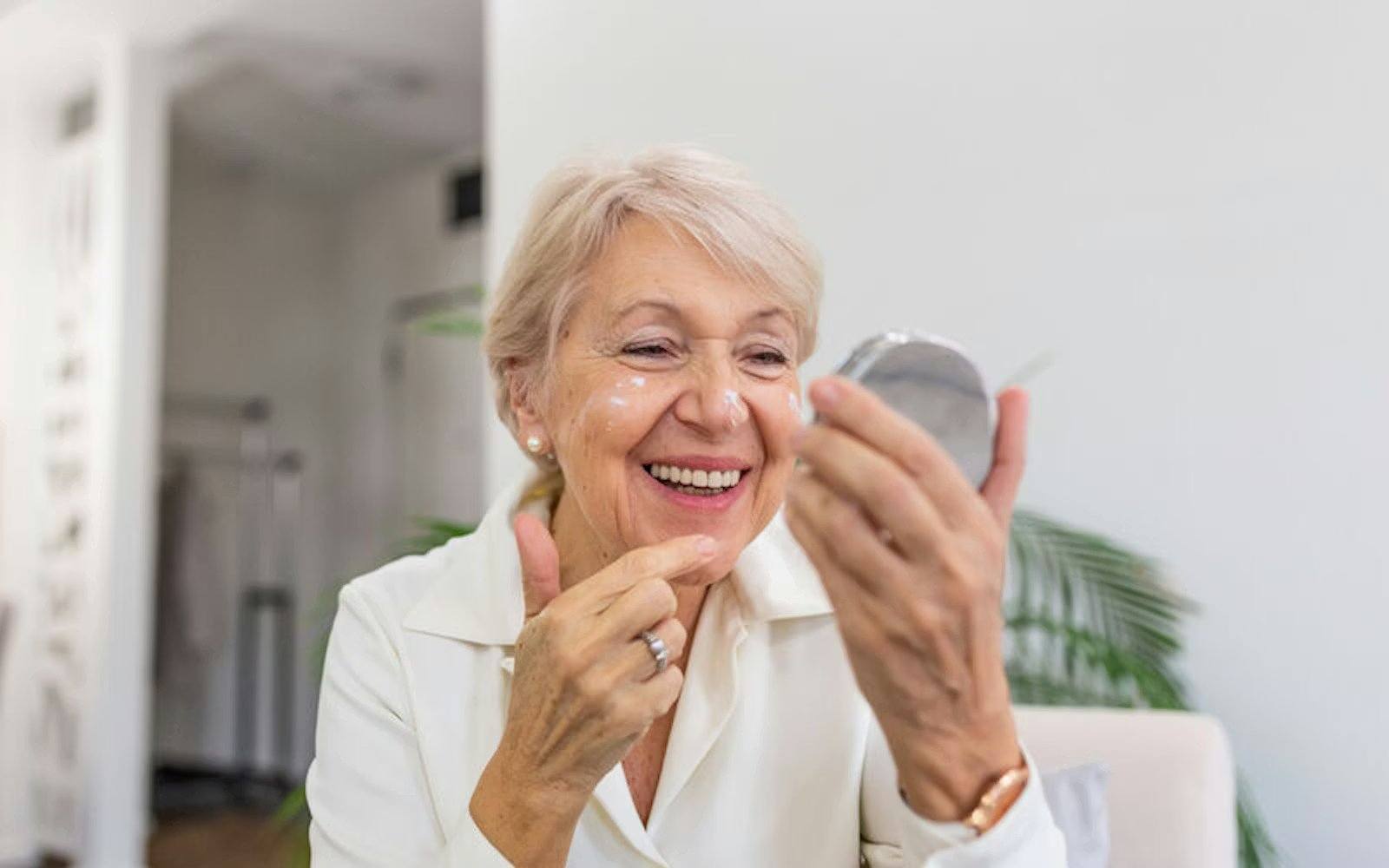
.jpg "senior-woman-skincare-(1).jpg")
With age, skin undergoes natural changes that require gentle, targeted care:
- Thinner, more fragile skin: The epidermis becomes thinner and loses collagen and elastin, leading to increased sensitivity and slower wound healing.
- Decreased oil and hydration: Oil production and natural moisturizing factors decline, resulting in dry, itchy skin—sometimes referred to as xerosis.
- Fragility, bruising, and slower healing: Reduced blood vessel integrity and slower cell turnover lead to easier bruising and delayed recovery from skin injuries.
- Sun damage, wrinkles, and age spots: Years of UV exposure accelerate collagen breakdown and cause pigmentation changes.
Essential Skin Care Tips for Seniors
Gentle Cleansing
- Choose mild, fragrance-free, moisturizing cleansers or bar soaps to avoid stripping natural oils.
- Opt for warm, not hot, water; limit showers to 5–10 minutes.
- Pat the skin dry gently, leaving it slightly damp before applying moisturizer.
Deep Moisturizing
- Apply a creamy, fragrance-free moisturizer—or an ointment if skin is very dry—immediately after bathing.
- Moisturizing at least twice daily (face and body) helps reinforce the skin’s barrier.
Sun Protection
- Use broad spectrum sunscreen (SPF 30+) daily, even on cloudy days or indoors, to protect against further sun damage.
- Wear protective clothing, hats, and sunglasses in strong sunlight.
Hydration & Nutrition
- Stay well-hydrated—drinking plenty of water supports skin moisture from within.
- Maintain a balanced diet rich in antioxidants, vitamins C and A, healthy fats, and proteins to support collagen production and skin repair.
Smart Product Choices
- Look for moisturizers with glycerin, hyaluronic acid, lanolin, or petrolatum.
- Consider dermatologist-recommended active ingredients like retinol, vitamin C, and peptides—but introduce them gradually.
- Avoid harsh exfoliants; opt for very gentle exfoliation no more than once per week.
Monitor and Address Issues Promptly
-
Watch for frequent bruising, slow-healing wounds, bedsores, or suspicious spots and consult a healthcare provider when necessary.
- Use a humidifier in dry environments to maintain skin hydration.
How BrightStar Care of Greenville, NC Supports Senior Skin Health
BrightStar Care of Greenville offers senior-focused in-home care and medical staffing services, including essential personal care that supports skin health:
- Personal care assistance: Helping with bathing, grooming, dressing, and toileting—key moments to cleanse and moisturize skin properly.
- Skincare support: Trained caregivers provide regular reminders for moisturizing, sun protection, and hydration.
- Medication reminders: Ensuring medications that may impact skin health are taken consistently.
- Medical staffing and nursing oversight: Registered Nurses supervise care plans, monitor skin integrity, manage wounds, and coordinate with dermatologists as needed.
- Companionship and household help: Assistance with mobility, appointments, nutrition, laundry—and ensuring clean environments that protect fragile skin.
Why Families Choose BrightStar Care of Greenville
- 24/7 availability and skilled staff, including RN-led teams and medical personnel.
- High satisfaction ratings, with clients consistently praising personalized care and communication.
- Broad service area, covering Greenville and its surrounding communities.
Caring for senior skin goes beyond products—it’s about tailored routines and professional support. With their comprehensive personal care and medical staffing services, BrightStar Care of Greenville, NC plays a crucial role in promoting healthy skin among seniors—helping with daily routines, hydration, nutrition, sun protection, wound care, and more, all in the comfort of home.
For families in Eastern NC, BrightStar Care offers that caring touch and vigilant attention, so seniors can age gracefully, comfortably, and confidently—while enjoying the peace of mind that comes with professional support.