
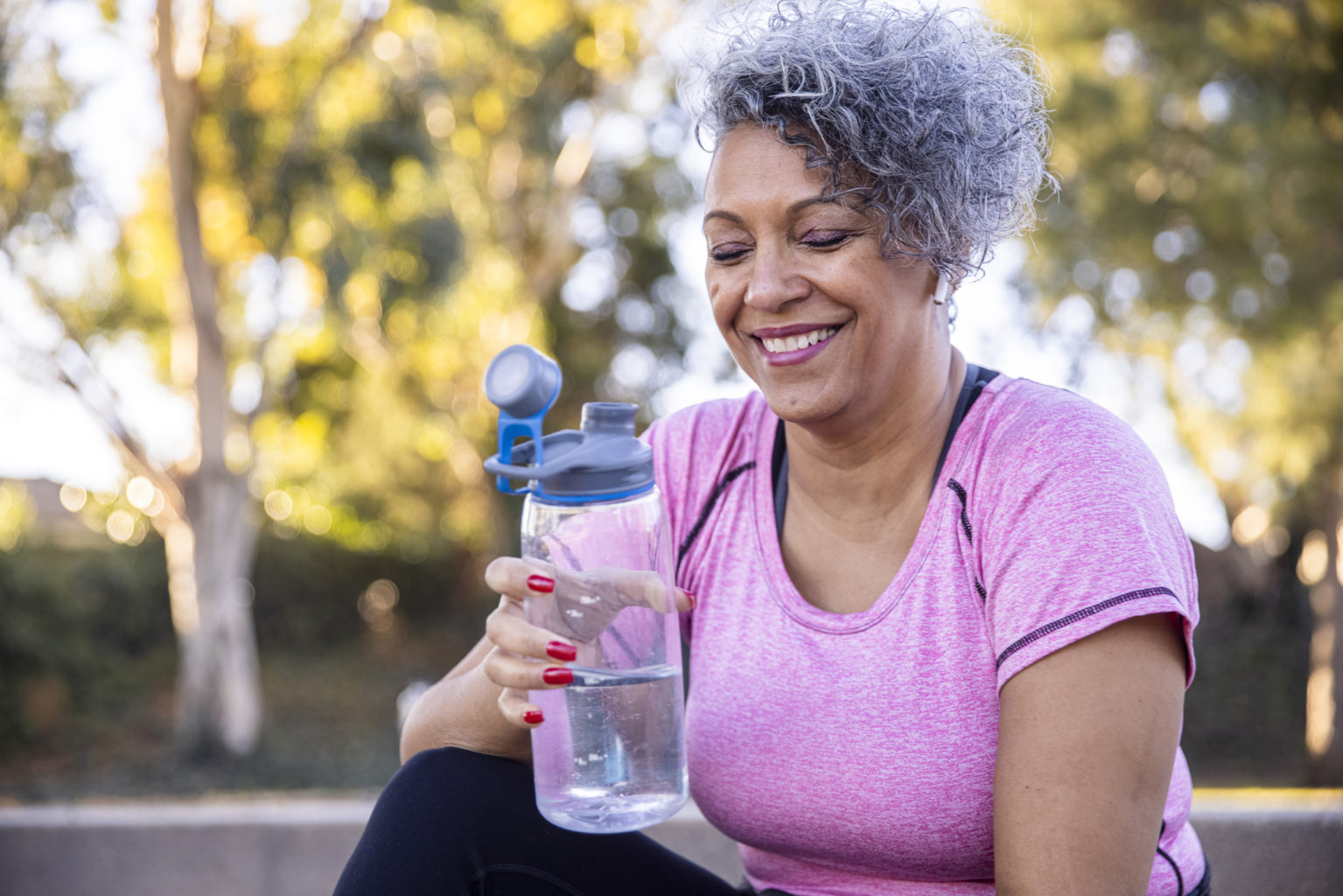
Older adults are at greater risk of dehydration for several reasons. The sense of thirst naturally diminishes with age, meaning seniors may not feel thirsty even when their bodies need fluids. Certain medications—such as diuretics, laxatives, and blood pressure drugs—can also increase fluid loss. Additionally, mobility issues, memory loss, and difficulty swallowing can make drinking fluids more challenging.
Chronic conditions like diabetes, kidney disease, and dementia further raise the risk, making daily hydration monitoring essential.
Common Signs of Dehydration in the Elderly
Recognizing dehydration early can prevent falls, hospitalizations, and other complications. Some signs are subtle, while others require immediate attention.
Physical Signs
- Dry mouth or cracked lips
- Dark yellow, strong-smelling urine
- Infrequent urination
- Dry or cool skin
- Sunken eyes
- Dizziness or lightheadedness
- Fatigue or weakness
Cognitive and Behavioral Signs
- Confusion or increased forgetfulness
- Irritability or mood changes
- Difficulty concentrating
- Sudden decline in alertness
More Serious Warning Signs
- Rapid heartbeat
- Low blood pressure
- Fainting
- Severe confusion or delirium
If any severe symptoms appear, medical attention should be sought immediately.
Health Risks of Dehydration in Seniors
Dehydration can have serious consequences for elderly individuals, including:
- Increased risk of falls and injuries
- Urinary tract infections
- Kidney problems
- Constipation
- Electrolyte imbalances
- Higher likelihood of hospitalization
Left untreated, dehydration can worsen chronic conditions and significantly impact quality of life.
Simple Ways to Help Prevent Dehydration
Prevention often comes down to consistency and support:
- Encourage small, frequent sips of fluids throughout the day
- Offer fluids that seniors enjoy, such as flavored water, herbal teas, or broths
- Include hydrating foods like fruits, vegetables, soups, and gelatin
- Establish a routine, especially for individuals with memory challenges
- Monitor fluid intake during hot weather or illness
Despite best efforts, hydration management can still be difficult for families juggling multiple responsibilities.
How BrightStar Care of Greenville, NC Can Help
BrightStar Care of Greenville, NC provides professional, compassionate in-home care designed to support seniors’ health, safety, and independence—including proper hydration.
Personalized Hydration Monitoring
Our caregivers help track daily fluid intake and watch closely for early signs of dehydration, adjusting care as needs change.
Medication and Health Awareness
BrightStar Care professionals are trained to understand how medications and medical conditions affect hydration, helping reduce risk and prevent complications.
Daily Living Support
From meal preparation with hydrating foods to gentle reminders throughout the day, caregivers provide hands-on assistance tailored to each client’s preferences and health goals.
Skilled Nursing Oversight
Our RN-led care model ensures that hydration concerns are addressed as part of a comprehensive care plan, offering families added peace of mind.
Companionship and Encouragement
Sometimes, simply having someone present makes all the difference. Our caregivers offer companionship that naturally encourages healthier habits, including consistent fluid intake.
Supporting Seniors in Greenville, NC
Dehydration doesn’t have to be an inevitable part of aging. With awareness, early recognition, and the right support, seniors can stay healthier, safer, and more comfortable at home.
BrightStar Care of Greenville, NC is proud to serve local families with high-quality, personalized care that prioritizes dignity, health, and independence. If you’re concerned about a loved one’s hydration or overall well-being, our team is here to help.
Contact BrightStar Care of Greenville, NC today to learn more about how our in-home care services can support your loved one’s health—one glass of water at a time.