
This November, as the country marks Veterans Awareness Month, there is a group of people who rarely get recognized: the family members who have quietly taken on the role of full-time caregiver for a veteran they love.
They are spouses, adult children, siblings, and parents. They did not sign up for deployment, but in a very real sense, they are serving too. And many of them are exhausted in ways they do not talk about, often because they feel guilty for feeling it at all.
If you are caring for a veteran in Lake County, this post is for you.
Call 847-782-8282 Our Website
Caring for a veteran is not the same as caring for an aging parent or a family member recovering from surgery. It often involves navigating service-connected conditions that do not follow a predictable trajectory: traumatic brain injury, spinal cord injuries, chronic pain from old wounds, PTSD, hearing loss, limb loss, and the long tail of combat exposure.
It also involves caring for someone who may be fiercely independent, private about their struggles, and resistant to accepting help. Many veterans associate needing care with weakness, and they resist it, which means their caregiver is not just managing physical tasks but also managing a person's dignity and sense of self every single day.
That is a different kind of hard.
Burnout does not always look like someone collapsing. Usually it builds slowly, and by the time it is obvious, the damage is already done.
In veteran caregiving households, it tends to show up as chronic sleep disruption (because the veteran's sleep is disrupted, so the caregiver's is too), emotional exhaustion that does not lift after a good night's sleep, and a kind of quiet resentment that the caregiver then feels terrible about. They love this person. They do not want to feel resentment. But they do, and they carry that guilt on top of everything else.
Their own health starts to slip because there is simply no bandwidth left to go to their own appointments, exercise, or eat well. Their social world shrinks. Friends stop calling because the caregiver always has to cancel. Over time, the isolation becomes its own problem.
Research consistently shows that family caregivers of veterans have significantly higher rates of depression, anxiety, and physical health problems than non-caregivers. This is not a personal failing. It is a predictable result of a situation without adequate relief built into it.
Respite care is temporary, scheduled relief for the primary caregiver. A trained professional steps in and provides the care so the caregiver can step away, whether that means sleeping a full night, attending their own medical appointment, visiting a friend, or simply sitting somewhere quiet without being needed.
It is not abandonment. It is not neglect. It is a tool for making long-term caregiving sustainable.
The veteran's routine continues. Their personal care, medication reminders, companionship, and monitoring are maintained by someone trained to provide exactly that. The caregiver leaves knowing their person is in good hands.
Call 847-782-8282 Our Website
The VA has two main programs designed specifically for caregivers, and many families in Lake County are not aware of both.
The Program of Comprehensive Assistance for Family Caregivers (PCAFC) is available to caregivers of eligible post-9/11 veterans who have serious service-connected disabilities. This program provides a monthly stipend to the caregiver, a set number of respite care days per year, health insurance coverage for the caregiver if they are not already insured, and access to mental health services for the caregiver. It is one of the most substantial caregiver support programs the VA offers. Applications go through the VA's caregiver support program, and a VA social worker or caregiver support coordinator can walk you through the process.
The Program of General Caregiver Support Services (PGCSS) is broader: it is available for caregivers of veterans from any era, not just post-9/11. It provides access to peer support, skills training, and respite care services through the VA's Community Care Network. If your veteran served before September 11, 2001, this is likely the relevant program.
VA Community Care Network (CCN) Respite Referrals are another avenue. For veterans who are enrolled in VA care and whose care team determines that respite care is medically appropriate, a CCN referral can authorize a community home care agency to provide respite services in the home. In Illinois, the VA CCN is administered through Optum/UnitedHealthcare. This is the mechanism by which a private home care agency like BrightStar Care of Gurnee can be authorized to provide respite care under the veteran's VA benefits.
For veterans in Lake County, the primary VA facility is the Captain James A. Lovell Federal Health Care Center in North Chicago. Lovell FHCC is the only fully integrated federal health care facility in the country, serving both active-duty military and veterans through a joint Department of Defense and VA mission. It is not just a VA medical center; it is something genuinely unique to this region.
The social work team at Lovell FHCC manages caregiver support program referrals, CCN authorizations, and connections to community resources for Lake County veterans and their families. If you are not sure where to start, starting there is the right move. Ask for the Caregiver Support Coordinator or the social work department. They know these programs in detail.
VA authorizations take time, and the approved number of respite hours is not always enough for what a caregiver actually needs. For families in that gap, private pay respite care is an option that does not require any prior authorization.
BrightStar Care of Gurnee provides in-home respite care on a private pay basis, with flexible scheduling that can fill in around VA-covered hours or stand alone while a family is working through the VA process. There is no waiting list and no referral required. You call, describe what you need, and we work from there.
When a BrightStar Care caregiver comes in for a respite shift, they are not a stranger babysitting. They provide the same care the primary caregiver has been providing: personal care (bathing, dressing, grooming), medication reminders, meals, companionship, mobility assistance, and general monitoring of the veteran's condition and safety.
Before the respite care begins, we take time to understand the veteran's routine, preferences, and needs so the transition is smooth. Veterans who have grown comfortable with a consistent caregiver often adapt well to respite visits, especially when the visits are structured and predictable.
Call 847-782-8282 Our Website
If you are the primary caregiver for a veteran, your health is not a secondary concern. It is directly relevant to your veteran's care. When a primary caregiver burns out, becomes ill, or can no longer sustain the pace, the veteran loses their central support. There is no backup plan that arrives automatically.
Respite care is not a reward for when you have done enough. It is a functional part of a sustainable caregiving plan. You do not have to be at the breaking point to need a break. You are allowed to use the support that exists before crisis hits.
If you are caring for a veteran in Lake County, here are the three most direct steps forward.
First, contact the social work team at Captain James A. Lovell FHCC in North Chicago (the VA/DoD campus on Sheridan Road). Ask specifically about caregiver support programs and whether your veteran's care team can initiate a CCN referral for respite care.
Second, if your veteran served after September 10, 2001, ask about PCAFC eligibility. If they served before that date, ask about PGCSS and what respite services are available under that program.
Third, if you need care now and cannot wait for VA authorization to come through, call BrightStar Care of Gurnee directly. We serve families throughout Lake County, including Gurnee, Waukegan, North Chicago, Libertyville, Mundelein, Lindenhurst, Antioch, and Zion. We can start with private pay respite care and help you navigate what comes next.
You have been showing up for a veteran. Let someone show up for you.
Call 847-782-8282 Our Website
BrightStar Care of Gurnee provides skilled nursing and non-medical home care services for adults, seniors, and individuals with complex care needs throughout Gurnee, Waukegan, Libertyville, Vernon Hills, Mundelein, Barrington, and surrounding Lake County communities. To speak with a care coordinator about support for your loved one this November, contact our office today.
Contact Us for a Free Consultation:
They are spouses, adult children, siblings, and parents. They did not sign up for deployment, but in a very real sense, they are serving too. And many of them are exhausted in ways they do not talk about, often because they feel guilty for feeling it at all.
If you are caring for a veteran in Lake County, this post is for you.
Call 847-782-8282 Our Website
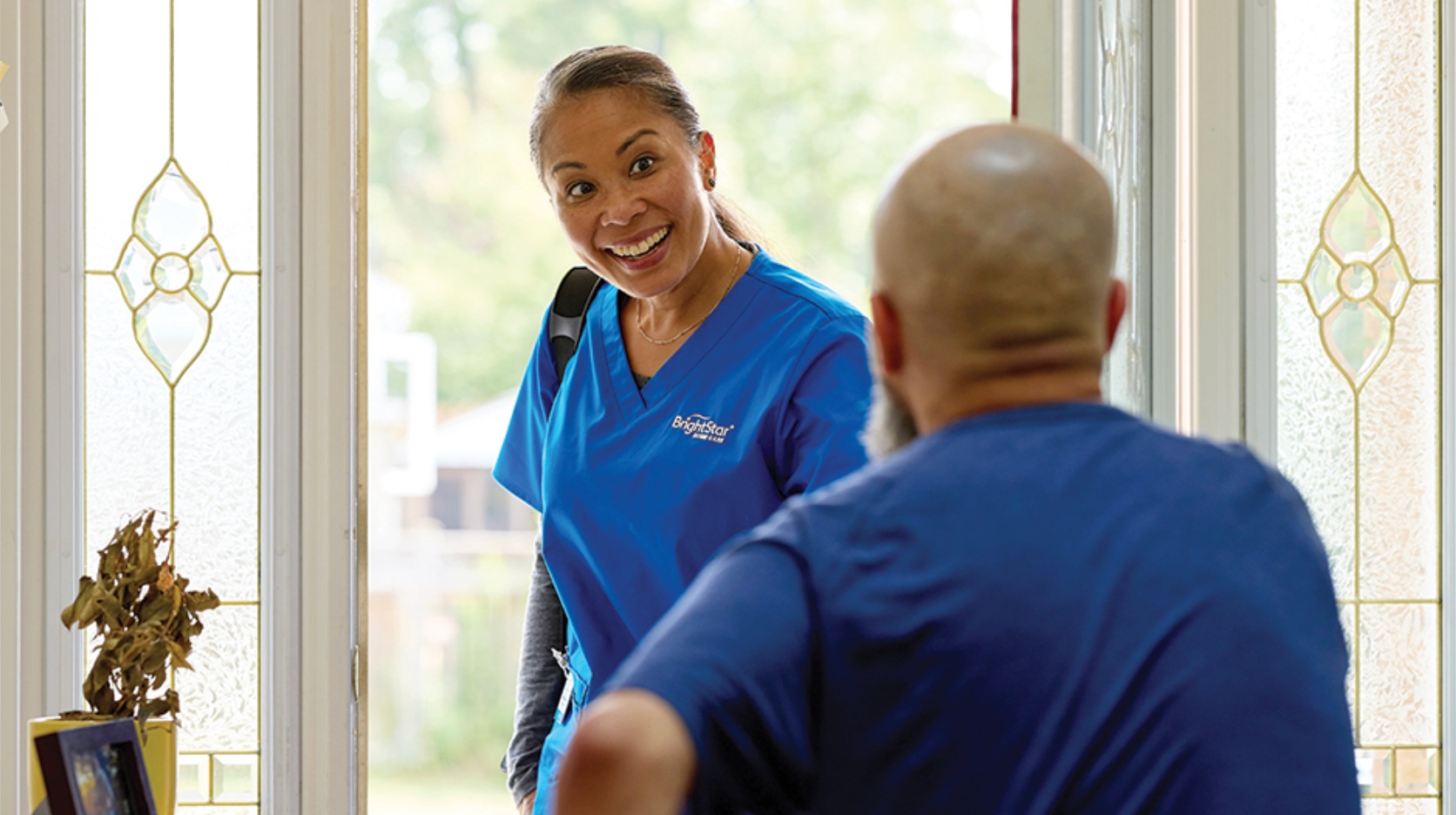
What Makes Veteran Caregiving Different
Caring for a veteran is not the same as caring for an aging parent or a family member recovering from surgery. It often involves navigating service-connected conditions that do not follow a predictable trajectory: traumatic brain injury, spinal cord injuries, chronic pain from old wounds, PTSD, hearing loss, limb loss, and the long tail of combat exposure.It also involves caring for someone who may be fiercely independent, private about their struggles, and resistant to accepting help. Many veterans associate needing care with weakness, and they resist it, which means their caregiver is not just managing physical tasks but also managing a person's dignity and sense of self every single day.
That is a different kind of hard.
What Caregiver Burnout Actually Looks Like in These Households
Burnout does not always look like someone collapsing. Usually it builds slowly, and by the time it is obvious, the damage is already done.In veteran caregiving households, it tends to show up as chronic sleep disruption (because the veteran's sleep is disrupted, so the caregiver's is too), emotional exhaustion that does not lift after a good night's sleep, and a kind of quiet resentment that the caregiver then feels terrible about. They love this person. They do not want to feel resentment. But they do, and they carry that guilt on top of everything else.
Their own health starts to slip because there is simply no bandwidth left to go to their own appointments, exercise, or eat well. Their social world shrinks. Friends stop calling because the caregiver always has to cancel. Over time, the isolation becomes its own problem.
Research consistently shows that family caregivers of veterans have significantly higher rates of depression, anxiety, and physical health problems than non-caregivers. This is not a personal failing. It is a predictable result of a situation without adequate relief built into it.
What Respite Care Is (and What It Is Not)
Respite care is temporary, scheduled relief for the primary caregiver. A trained professional steps in and provides the care so the caregiver can step away, whether that means sleeping a full night, attending their own medical appointment, visiting a friend, or simply sitting somewhere quiet without being needed.It is not abandonment. It is not neglect. It is a tool for making long-term caregiving sustainable.
The veteran's routine continues. Their personal care, medication reminders, companionship, and monitoring are maintained by someone trained to provide exactly that. The caregiver leaves knowing their person is in good hands.
Call 847-782-8282 Our Website
VA Programs That Support Veteran Family Caregivers
The VA has two main programs designed specifically for caregivers, and many families in Lake County are not aware of both.The Program of Comprehensive Assistance for Family Caregivers (PCAFC) is available to caregivers of eligible post-9/11 veterans who have serious service-connected disabilities. This program provides a monthly stipend to the caregiver, a set number of respite care days per year, health insurance coverage for the caregiver if they are not already insured, and access to mental health services for the caregiver. It is one of the most substantial caregiver support programs the VA offers. Applications go through the VA's caregiver support program, and a VA social worker or caregiver support coordinator can walk you through the process.
The Program of General Caregiver Support Services (PGCSS) is broader: it is available for caregivers of veterans from any era, not just post-9/11. It provides access to peer support, skills training, and respite care services through the VA's Community Care Network. If your veteran served before September 11, 2001, this is likely the relevant program.
VA Community Care Network (CCN) Respite Referrals are another avenue. For veterans who are enrolled in VA care and whose care team determines that respite care is medically appropriate, a CCN referral can authorize a community home care agency to provide respite services in the home. In Illinois, the VA CCN is administered through Optum/UnitedHealthcare. This is the mechanism by which a private home care agency like BrightStar Care of Gurnee can be authorized to provide respite care under the veteran's VA benefits.
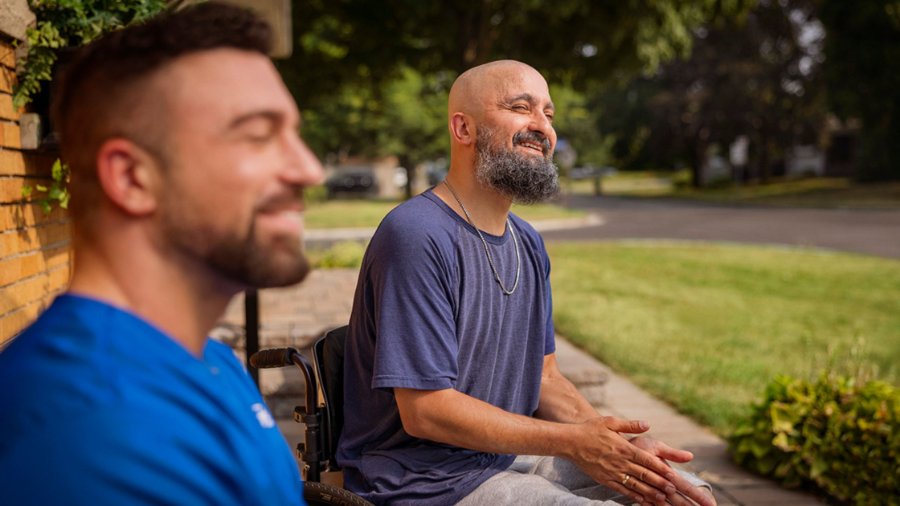
The Local Connection: Captain James A. Lovell FHCC in North Chicago
For veterans in Lake County, the primary VA facility is the Captain James A. Lovell Federal Health Care Center in North Chicago. Lovell FHCC is the only fully integrated federal health care facility in the country, serving both active-duty military and veterans through a joint Department of Defense and VA mission. It is not just a VA medical center; it is something genuinely unique to this region.The social work team at Lovell FHCC manages caregiver support program referrals, CCN authorizations, and connections to community resources for Lake County veterans and their families. If you are not sure where to start, starting there is the right move. Ask for the Caregiver Support Coordinator or the social work department. They know these programs in detail.
When VA Authorization Takes Time (or Does Not Cover Enough Hours)
VA authorizations take time, and the approved number of respite hours is not always enough for what a caregiver actually needs. For families in that gap, private pay respite care is an option that does not require any prior authorization.BrightStar Care of Gurnee provides in-home respite care on a private pay basis, with flexible scheduling that can fill in around VA-covered hours or stand alone while a family is working through the VA process. There is no waiting list and no referral required. You call, describe what you need, and we work from there.
What a Respite Caregiver Actually Does
When a BrightStar Care caregiver comes in for a respite shift, they are not a stranger babysitting. They provide the same care the primary caregiver has been providing: personal care (bathing, dressing, grooming), medication reminders, meals, companionship, mobility assistance, and general monitoring of the veteran's condition and safety.Before the respite care begins, we take time to understand the veteran's routine, preferences, and needs so the transition is smooth. Veterans who have grown comfortable with a consistent caregiver often adapt well to respite visits, especially when the visits are structured and predictable.
Call 847-782-8282 Our Website
Your Health Is Not a Side Issue
If you are the primary caregiver for a veteran, your health is not a secondary concern. It is directly relevant to your veteran's care. When a primary caregiver burns out, becomes ill, or can no longer sustain the pace, the veteran loses their central support. There is no backup plan that arrives automatically.Respite care is not a reward for when you have done enough. It is a functional part of a sustainable caregiving plan. You do not have to be at the breaking point to need a break. You are allowed to use the support that exists before crisis hits.
How to Start
If you are caring for a veteran in Lake County, here are the three most direct steps forward.First, contact the social work team at Captain James A. Lovell FHCC in North Chicago (the VA/DoD campus on Sheridan Road). Ask specifically about caregiver support programs and whether your veteran's care team can initiate a CCN referral for respite care.
Second, if your veteran served after September 10, 2001, ask about PCAFC eligibility. If they served before that date, ask about PGCSS and what respite services are available under that program.
Third, if you need care now and cannot wait for VA authorization to come through, call BrightStar Care of Gurnee directly. We serve families throughout Lake County, including Gurnee, Waukegan, North Chicago, Libertyville, Mundelein, Lindenhurst, Antioch, and Zion. We can start with private pay respite care and help you navigate what comes next.
You have been showing up for a veteran. Let someone show up for you.
Call 847-782-8282 Our Website
Frequently Asked Questions
Q: What is the difference between PCAFC and PGCSS for veteran family caregivers?
PCAFC (Program of Comprehensive Assistance for Family Caregivers) is available only to caregivers of post-9/11 veterans with serious service-connected disabilities. It provides a monthly stipend, respite care days, health insurance for the caregiver, and mental health support. PGCSS (Program of General Caregiver Support Services) is available to caregivers of veterans from all eras and provides support services including respite care, peer support, and skills training, but it does not include a stipend. Eligibility for each depends on when and how the veteran served.Q: Can a private home care agency provide VA-covered respite care for a veteran in Lake County?
Yes, if the veteran is enrolled in VA care and their care team at a facility like Lovell FHCC issues a Community Care Network (CCN) referral authorizing respite services. In Illinois, the VA CCN is administered through Optum/UnitedHealthcare, and the referral designates an approved community home care provider. Families can also choose to pay privately for respite care through an agency like BrightStar Care of Gurnee while a CCN referral is pending or if additional hours are needed beyond what the VA authorizes.Q: How many respite care hours does the VA provide under PCAFC?
Under PCAFC, eligible caregivers receive up to 30 days of respite care per year, which can be provided in-home or through a VA facility or community program. The specific number of hours per visit and the schedule are coordinated through the VA's caregiver support coordinator and the authorized provider. Families who need more coverage than the VA provides can supplement with private pay hours through a home care agency without affecting their VA benefits.BrightStar Care of Gurnee provides skilled nursing and non-medical home care services for adults, seniors, and individuals with complex care needs throughout Gurnee, Waukegan, Libertyville, Vernon Hills, Mundelein, Barrington, and surrounding Lake County communities. To speak with a care coordinator about support for your loved one this November, contact our office today.
Contact Us for a Free Consultation:
- Phone: 847-782-8282
- Address: 6475 Washington St Ste 104, Gurnee, IL 60031, United States.
- Visit Us Online: https://www.brightstarcare.com/locations/gurnee/