
For most of your life, she was the steady one.
She remembered every birthday. Packed every lunch. Sat through every practice, recital, and late-night worry. She managed the household, scheduled the appointments, cared for aging relatives, and somehow kept everything moving.
Now, something feels different.
Maybe she seems more tired than usual.
Maybe the house isn’t quite as organized.
Maybe she brushed off a fall.
Maybe she’s forgetting small things not dramatically, but noticeably.
And you find yourself wondering:
Is this normal aging… or is it time to step in?
For many adult children in Gurnee and surrounding Lake County communities, this realization is emotional. The woman who cared for everyone else may now need someone watching out for her health.
Let’s talk about what those subtle signs mean and how to respond with support, not overreaction.
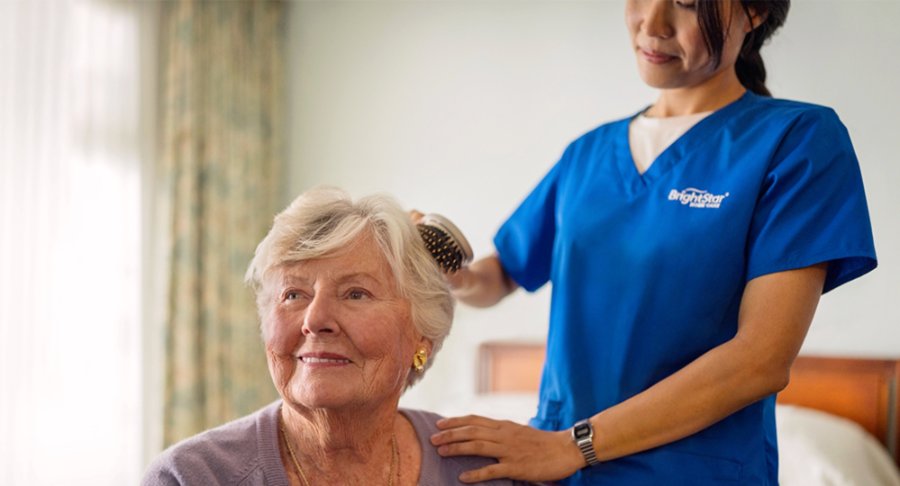
Health changes in aging mothers rarely begin with a crisis. They often start quietly.
You may notice:
Women, especially lifelong caregivers, often minimize their own symptoms. They may not want to “be a burden” or may assume what they’re experiencing is just part of getting older.
But aging doesn’t have to mean struggling alone.
Women often live longer than men, and with longevity comes increased risk of certain health challenges, including:
The result? Conditions may go unmanaged longer than they should.
One of the hardest parts of stepping in is navigating her independence.
You may hear:
“I’m fine.”
“I don’t need help.”
“Don’t make a big deal out of it.”
“I’ve handled things my whole life.”
And she’s right, she has.
But accepting support doesn’t erase independence. In fact, the right kind of help can protect it.
The goal isn’t to take control. It’s to prevent small health issues from turning into emergencies.
Here are situations that suggest it’s time to explore more structured support:
If you’re constantly worried between visits, that’s a sign too.

Approaching the topic thoughtfully makes a difference.
Instead of:
“You can’t manage this anymore.”
Try:
“I want to make sure you have support so you can stay independent.”
“I’ve noticed you seem more tired lately. Can we check in with your doctor?”
“Would it help to have someone come by a few hours a week?”
Frame help as protection and partnership not correction.
Too often, families wait for a crisis before bringing in help. But early support can:
Many adult children imagine “care” as something drastic. In reality, it’s flexible.
Services may include:
Most importantly, care is delivered with dignity and respect supporting independence, not replacing it.
If you’re juggling your own career, children, and responsibilities, caregiving can quietly become overwhelming.
You may find yourself:
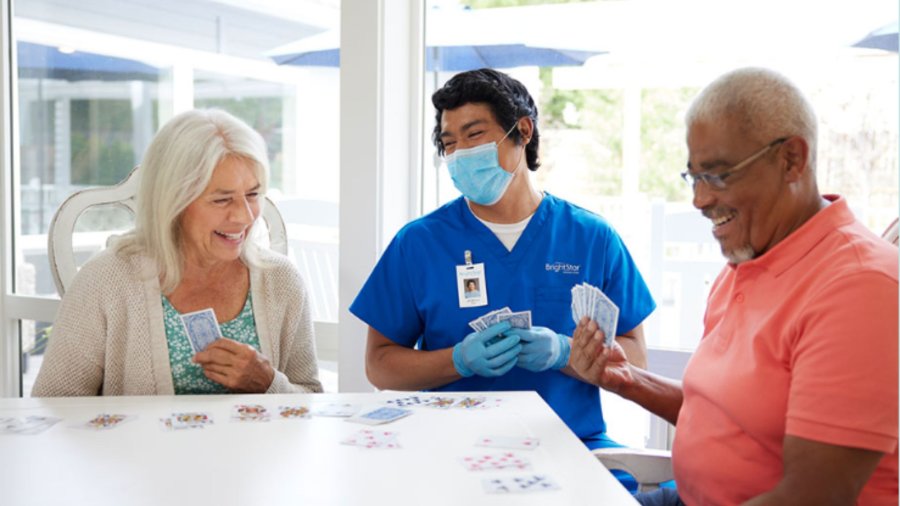
The shift from being cared for to becoming the caregiver is emotional. There’s grief in seeing vulnerability where there was once strength.
But stepping in isn’t about taking something away from her. It’s about honoring everything she’s done by ensuring she’s safe, supported, and medically stable.
She spent her life watching over you.
Now it’s okay to return the favor.
Aging mothers can receive personal care assistance, medication management, skilled nursing services, chronic disease monitoring, post-hospital recovery support, and memory care — all tailored to their specific needs.
Approach the conversation with empathy and partnership. Focus on maintaining independence and safety rather than taking control. Frame care as added support that helps her stay in her home longer and avoid health setbacks.

BrightStar Care of Gurnee partners with families to create personalized care plans designed to evolve as needs change.
Whether your mother needs:
If you’ve started noticing subtle changes, trust your instincts. Early support makes a difference.
If you’ve started noticing subtle changes, trust your instincts. Early support makes a difference.
Contact BrightStar Care of Gurnee today at 847-782-8282 or visit our website to schedule a free in-home consultation and learn more about our in-home care services. Our office is located at 6475 Washington St Ste 104, Gurnee, IL 60031, United States.
She remembered every birthday. Packed every lunch. Sat through every practice, recital, and late-night worry. She managed the household, scheduled the appointments, cared for aging relatives, and somehow kept everything moving.
Now, something feels different.
Maybe she seems more tired than usual.
Maybe the house isn’t quite as organized.
Maybe she brushed off a fall.
Maybe she’s forgetting small things not dramatically, but noticeably.
And you find yourself wondering:
Is this normal aging… or is it time to step in?
For many adult children in Gurnee and surrounding Lake County communities, this realization is emotional. The woman who cared for everyone else may now need someone watching out for her health.
Let’s talk about what those subtle signs mean and how to respond with support, not overreaction.
The Subtle Shifts Families Often Notice First
Health changes in aging mothers rarely begin with a crisis. They often start quietly.You may notice:
- Increased fatigue or daytime sleeping
- Unopened mail or missed bill payments
- Expired food in the refrigerator
- A decline in housekeeping standards
- Missed doctor appointments
- Weight loss or loss of appetite
- Medication bottles piling up
- A new hesitation when walking or climbing stairs
Women, especially lifelong caregivers, often minimize their own symptoms. They may not want to “be a burden” or may assume what they’re experiencing is just part of getting older.
But aging doesn’t have to mean struggling alone.
Why Women’s Health Needs Special Attention as They Age
Women often live longer than men, and with longevity comes increased risk of certain health challenges, including:
- Osteoporosis and fall-related fractures
- Heart disease (which can present differently in women)
- Autoimmune conditions
- Dementia and cognitive decline
- Medication complications due to multiple prescriptions
The result? Conditions may go unmanaged longer than they should.
The Emotional Resistance to Accepting Help
One of the hardest parts of stepping in is navigating her independence.You may hear:
“I’m fine.”
“I don’t need help.”
“Don’t make a big deal out of it.”
“I’ve handled things my whole life.”
And she’s right, she has.
But accepting support doesn’t erase independence. In fact, the right kind of help can protect it.
The goal isn’t to take control. It’s to prevent small health issues from turning into emergencies.
When “Fine” Isn’t Actually Fine
Here are situations that suggest it’s time to explore more structured support:
1. Medication Confusion
Multiple prescriptions, dosage changes, or skipped refills increase the risk of falls, hospital visits, and complications.2. Recent Falls or Near-Falls
Even a minor stumble can signal balance changes, muscle weakness, or blood pressure issues.3. Hospital or Rehab Discharge
The transition home is one of the highest-risk times for readmission — especially if follow-up care isn’t well coordinated.4. Memory Changes
Repeating stories occasionally is normal. Forgetting appointments, bills, or safety steps may require evaluation.5. Chronic Conditions Becoming Harder to Manage
Diabetes, heart disease, COPD, or arthritis often require closer monitoring over time.If you’re constantly worried between visits, that’s a sign too.
How to Start the Conversation Without Causing Conflict
Approaching the topic thoughtfully makes a difference.Instead of:
“You can’t manage this anymore.”
Try:
“I want to make sure you have support so you can stay independent.”
“I’ve noticed you seem more tired lately. Can we check in with your doctor?”
“Would it help to have someone come by a few hours a week?”
Frame help as protection and partnership not correction.
The Power of Proactive Support
Too often, families wait for a crisis before bringing in help. But early support can:
- Prevent falls
- Improve medication management
- Catch health changes early
- Reduce hospital readmissions
- Ease caregiver stress
- Extend the ability to remain at home
What In-Home Care Can Actually Look Like
Many adult children imagine “care” as something drastic. In reality, it’s flexible.Services may include:
- Medication reminders and management
- Assistance with bathing and dressing
- Mobility and fall prevention support
- Transportation to appointments
- Meal preparation and nutrition monitoring
- Skilled nursing for chronic disease management
- Post-surgical or post-hospital recovery care
Most importantly, care is delivered with dignity and respect supporting independence, not replacing it.
For Adult Children Balancing Work and Family
If you’re juggling your own career, children, and responsibilities, caregiving can quietly become overwhelming.You may find yourself:
- Leaving work early for appointments
- Fielding pharmacy calls during meetings
- Driving back and forth multiple times a week
- Losing sleep worrying
Watching Her Health Is an Act of Love
The shift from being cared for to becoming the caregiver is emotional. There’s grief in seeing vulnerability where there was once strength.But stepping in isn’t about taking something away from her. It’s about honoring everything she’s done by ensuring she’s safe, supported, and medically stable.
She spent her life watching over you.
Now it’s okay to return the favor.
Frequently Asked Questions
How do I know when my aging mother needs help at home?
Signs include medication confusion, missed appointments, unexplained weight loss, increased falls, memory changes, and difficulty managing daily tasks. If you’re feeling concerned or constantly worried about her safety, it may be time to explore in-home care support.
What kind of care can aging mothers receive at home?
Aging mothers can receive personal care assistance, medication management, skilled nursing services, chronic disease monitoring, post-hospital recovery support, and memory care — all tailored to their specific needs.
How do I talk to my mom about accepting home care?
Approach the conversation with empathy and partnership. Focus on maintaining independence and safety rather than taking control. Frame care as added support that helps her stay in her home longer and avoid health setbacks.
Supporting Families in Gurnee and Surrounding Communities
BrightStar Care of Gurnee partners with families to create personalized care plans designed to evolve as needs change.Whether your mother needs:
- Short-term support after a hospitalization
- Ongoing chronic condition management
- Memory care assistance
- Help with daily routines
- Skilled nursing oversight
If you’ve started noticing subtle changes, trust your instincts. Early support makes a difference.
Contact BrightStar Care of Gurnee, IL
If you’ve started noticing subtle changes, trust your instincts. Early support makes a difference.Contact BrightStar Care of Gurnee today at 847-782-8282 or visit our website to schedule a free in-home consultation and learn more about our in-home care services. Our office is located at 6475 Washington St Ste 104, Gurnee, IL 60031, United States.