
That is genuinely good news. It is also news that has outpaced the medical and caregiving systems designed to support this population. Most of what is known clinically about Spina Bifida comes from pediatric research and pediatric care settings. The experience of aging with Spina Bifida, what it looks like, what it requires, and how care needs shift over decades, is still being understood.
For families in Gurnee, Waukegan, Libertyville, Vernon Hills, Mundelein, and throughout Lake County who are supporting an adult with Spina Bifida, this post is a practical guide to what aging with the condition involves and how in-home care fits into the picture at different stages of life.
Call 847-782-8282 Visit Our Website
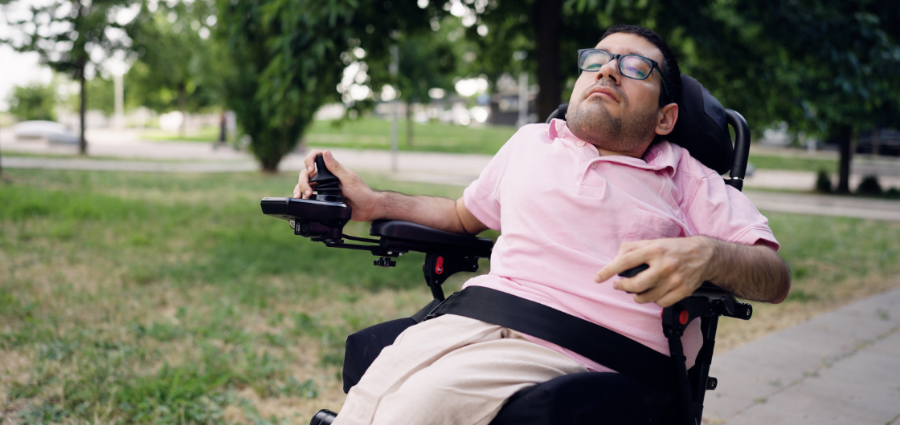
What Spina Bifida Is and Why Aging Changes the Picture
Spina Bifida is a neural tube defect that occurs when the spine and spinal cord do not develop properly before birth. The most significant form, myelomeningocele, involves the spinal cord itself protruding through an opening in the spine and produces varying degrees of paralysis, sensory loss, and bladder and bowel dysfunction depending on the level of the lesion. Most people with myelomeningocele also have hydrocephalus, managed with a ventricular shunt, and many have associated orthopedic and cognitive differences.The condition itself does not change with age. What changes is the body's capacity to compensate for it, and the accumulation of secondary conditions that develop over a lifetime of living with altered biomechanics, bowel and bladder management, and often reduced mobility.
Research has consistently shown that adults with Spina Bifida experience accelerated aging in many body systems. The physical demands of wheelchair use, crutch walking, or other mobility strategies place chronic stress on the upper extremities and spine. Neurological function can change over time due to tethered cord, shunt changes, and other neurological events. And the systems that were already vulnerable in childhood, the urinary tract, the skin, the musculoskeletal system, tend to become more demanding to manage as the decades accumulate.
The Decade-by-Decade Picture
Young adulthood (20s and 30s). For many adults with Spina Bifida, the twenties and thirties are a period of relatively stable function, particularly if the transition from pediatric to adult care has been well managed. The primary care needs in this decade tend to center on maintaining the bladder and bowel management programs established in childhood, managing shunt function, monitoring for tethered cord, maintaining skin integrity, and addressing the orthopedic needs that continue to evolve with the adult skeleton. Fatigue is a common and often underacknowledged feature of daily life in this decade, driven by the physical demands of mobility and the cognitive load of managing a complex health condition independently.Middle adulthood (40s and 50s). This is typically the decade when secondary conditions begin to emerge more prominently and care needs increase meaningfully. Upper extremity pain and injury from decades of wheelchair propulsion or crutch use become more significant, sometimes reaching a level where the person's primary mobility strategy is no longer sustainable. Urological changes become more complex, and the risk of kidney damage from poorly managed neurogenic bladder increases with age if monitoring has lapsed. Pressure injuries become more likely as skin tolerance decreases and positioning habits established over decades begin to create cumulative damage. Weight management becomes more difficult as metabolism slows and mobility decreases. Fatigue deepens.
Later adulthood (60s and beyond). The number of adults with Spina Bifida reaching their sixties is still relatively small, but it is growing, and the clinical picture in this decade is one of compounding demands. The normal aging process, with its own effects on mobility, cognition, skin integrity, bladder function, and cardiovascular health, layers on top of the baseline complexity of Spina Bifida. Many adults in this decade require significantly more support with daily living than they did in earlier decades, often more abruptly than either they or their families anticipated.

The Secondary Conditions That Change Care Needs
Understanding the specific secondary conditions that develop with age in Spina Bifida is essential for families who are trying to plan ahead rather than react to each new challenge as it arrives.Upper extremity deterioration. Adults who use manual wheelchairs or crutches for mobility rely on their arms in ways that exceed the design capacity of the shoulder, elbow, and wrist joints over a lifetime of use. Rotator cuff injuries, carpal tunnel syndrome, and chronic shoulder pain are common in adults with Spina Bifida by their forties and fifties, and they can significantly reduce the person's ability to manage their own transfers, wheelchair propulsion, and daily living tasks independently. This is one of the most consistent and most underanticipated care challenges in aging adults with Spina Bifida.
Neurogenic bladder complications. Bladder management is a lifelong necessity for most people with myelomeningocele, and the stakes of inadequate management increase with age. Repeated urinary tract infections, vesicoureteral reflux, and elevated bladder pressures over decades can cause progressive kidney damage that may not produce obvious symptoms until significant impairment has already occurred. Regular urological monitoring, consistent adherence to the bladder management program, and recognition of the signs of urinary tract infection are critical at every age and become more demanding to maintain as age-related cognitive and physical changes accumulate.
Skin integrity and pressure injuries. Reduced sensation below the level of the lesion means that pressure injuries can develop without pain as a warning signal. Younger adults with Spina Bifida often develop effective skin monitoring habits and positioning strategies, but the cumulative effect of decades of pressure on the same areas, combined with age-related changes in skin elasticity, circulation, and nutritional status, increases pressure injury risk significantly in middle and later adulthood. A pressure injury in an older adult with Spina Bifida can be a serious, prolonged, and in some cases life-threatening complication.
Shunt changes and complications. Many adults with Spina Bifida have ventricular shunts that have been in place since childhood. Shunt malfunction or infection is always a medical emergency, and the symptoms can be subtle or easily attributed to other causes in adults who have lived with the condition for decades. Changes in cognitive function, headaches, changes in energy level, or changes in vision warrant urgent medical evaluation in any adult with a shunt.
Tethered cord. Tethered spinal cord can produce new or worsening neurological symptoms in adults with Spina Bifida, including changes in motor function, increased spasticity, worsening bladder or bowel function, or new pain. It is not always recognized promptly because its symptoms can develop gradually and may be attributed to other causes. Adults who notice changes in their neurological function should raise this specifically with their physician.
Mental health. Depression, anxiety, and social isolation are significantly more common in adults with Spina Bifida than in the general population, and these conditions are consistently undertreated. The psychological demands of managing a complex chronic condition across a lifetime, navigating systems that were not designed with adults with Spina Bifida in mind, managing changing function and increasing dependence, and often reduced social connection, all contribute to mental health vulnerability that deserves direct clinical attention.
Fatigue. Fatigue in adults with Spina Bifida is not simply tiredness. It is a complex phenomenon driven by the physical energy demands of mobility, the cognitive demands of managing a complex health condition, the effects of sleep disruption, and often the compounding effects of depression and chronic pain. It is consistently reported as one of the most significant factors affecting quality of life and functional independence in adults with Spina Bifida, and it is consistently underrecognized and undertreated.
Call 847-782-8282 Visit Our Website
What Planning Ahead Actually Looks Like
The families who navigate aging with Spina Bifida most successfully are those who anticipate change rather than waiting for a crisis to force adaptation. A few practical principles guide effective planning.Maintain specialist connections even during stable periods. The temptation during stable decades is to reduce specialist involvement. This is understandable but carries real risk. Regular urological monitoring, periodic neurological assessment, and ongoing orthopedic evaluation catch the secondary conditions that develop gradually before they become crises. Establishing and maintaining adult specialist relationships is one of the most important investments a family can make.
Evaluate mobility strategies proactively. If upper extremity pain or decline is beginning to affect the person's primary mobility strategy, waiting until the strategy has failed entirely before seeking evaluation and alternatives is far more disruptive than addressing the issue early. A physiatrist or physical therapist with experience in Spina Bifida can evaluate whether a power wheelchair, a different manual wheelchair configuration, or other modifications would reduce upper extremity stress before irreversible damage accumulates.
Build in-home support infrastructure before it is urgently needed. Many adults with Spina Bifida maintain high levels of independence through their twenties and thirties with minimal outside support. When care needs increase in the forties and fifties, families often find themselves trying to build a support infrastructure in a hurry. Establishing an in-home care relationship earlier, even at a modest level of support, creates a foundation that can expand as needs grow without requiring an abrupt and stressful transition.
Address home modifications thoughtfully. The home environment that worked well for a younger adult with Spina Bifida may need significant modification as age-related changes accumulate. Roll-in shower access, grab bar placement, door width, floor surface, and the overall layout of the home all affect the sustainability of independent living. An occupational therapist with home modification expertise can evaluate the current environment and recommend adaptations before accessibility becomes a crisis.
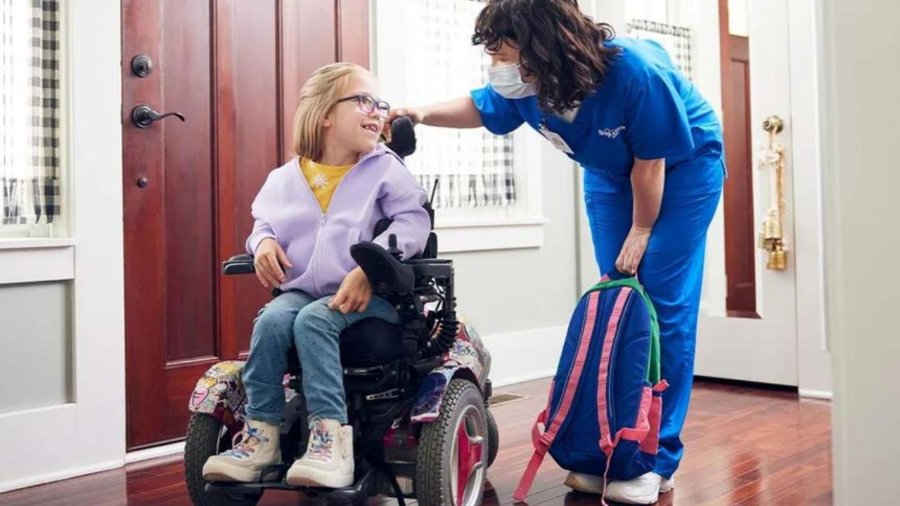
How BrightStar Care of Gurnee Supports Adults Aging With Spina Bifida
BrightStar Care of Gurnee provides both skilled nursing and non-medical caregiving for adults with Spina Bifida and their families throughout Gurnee, Waukegan, Libertyville, Vernon Hills, Mundelein, Barrington, and surrounding Lake County communities.
Skilled nursing care addresses the clinical dimensions of Spina Bifida management that become more complex with age. This includes catheterization and bladder management support, skin assessment and pressure injury prevention and wound care, medication management for the multiple conditions that often accompany aging with Spina Bifida, shunt monitoring and education, coordination with specialist providers, and clinical oversight that provides an early warning system for the secondary complications that are most dangerous when they go unrecognized.
Non-medical caregiving provides the daily living support that allows adults with Spina Bifida to maintain independence and quality of life as physical demands increase. Our caregivers assist with personal care, transfers, mobility support, bowel program management, meal preparation, household tasks, transportation, and the consistent structured support that reduces fatigue and extends the person's capacity for independent functioning in the areas that matter most to them.
We understand that adults with Spina Bifida are not defined by their condition and that the goal of every care relationship is to support the person's own goals for their life, not to manage them. Caregiver consistency, genuine relationship, and respect for the person's expertise about their own body and needs are the foundations of effective care for this population.
Call 847-782-8282 Visit Our Website
Frequently Asked Questions
Q: My adult child with Spina Bifida has been largely independent for years. At what point should we start thinking about in-home care support?
The right time to think about in-home support is before independence is significantly compromised, not after. For many adults with Spina Bifida, the forties are the decade when increasing upper extremity pain, fatigue, or emerging secondary conditions begin to affect daily functioning in ways that were not present before. A care assessment at this point, even if the conclusion is that current needs are modest, establishes a relationship, identifies the emerging needs, and creates a plan that can be implemented proactively rather than reactively. Starting with a few hours of support per week for tasks that are becoming physically demanding preserves the person's energy and upper extremity function for the activities that matter most to them.
Q: My parent with Spina Bifida has developed a pressure injury. What should we do?
A pressure injury in an adult with Spina Bifida warrants prompt medical evaluation and professional wound care management. Pressure injuries in this population can progress rapidly and are associated with serious complications including infection and sepsis. BrightStar Care of Gurnee provides skilled nursing wound care in the home, including assessment of wound severity, appropriate dressing selection and technique, education for the family on positioning and skin monitoring, and communication with the treating physician about wound status and progress. If the wound is severe or infected, urgent medical evaluation is the first step.
Q: How do we find adult providers who understand Spina Bifida when most specialists have pediatric experience?
This is one of the most consistent challenges for adults with Spina Bifida and their families. A few strategies help. The Spina Bifida Association maintains a healthcare provider directory that is searchable by specialty and location. Teaching hospitals and academic medical centers, including Loyola University Medical Center and Northwestern Memorial in the Chicago area, tend to have physiatrists and urologists with broader experience in adults with complex neurological conditions. Some pediatric Spina Bifida programs will maintain adult patients on a transitional basis and can often provide referrals to adult providers they trust. And the Spina Bifida Association's national helpline at 800-621-3141 can assist families with provider searches and regional resource identification.
BrightStar Care of Gurnee provides skilled nursing and non-medical home care services for adults with Spina Bifida, seniors, and individuals with complex care needs throughout Gurnee, Waukegan, Libertyville, Vernon Hills, Mundelein, Barrington, and surrounding Lake County communities. To speak with a care coordinator about support for your loved one this October, contact our office today.
Contact Us for a Free Consultation:
- Phone: 847-782-8282
- Address: 6475 Washington St Ste 104, Gurnee, IL 60031, United States.
- Visit Us Online: BrightStar Care of Gurnee