
Ever feel swamped by medical jargon when your loved one’s health takes a turn? Suddenly, phrases like “skilled nursing” get tossed around, but what does it really mean? Instead of letting confusion pile up, get the inside scoop on who actually benefits from skilled nursing—and exactly when families should consider this kind of professional help. In plain English, demystifying skilled nursing is about clearing away the fog and getting real answers, right when you need them most.
What is Skilled Nursing?
Turn the spotlight on skilled nursing, and you’ll see a world of licensed medical pros—RNs and LPNs—handling hands-on health needs. Think post-surgical care, wound dressing, IV medications, and medical assessments, all delivered right in the comfort of home. It takes knowledge, experience, and heart, because skilled nursing doesn’t just treat symptoms, it supports whole families when life gets hard.
Key Medical Services Offered in Skilled Nursing
Skilled nursing isn’t just checking temperatures—it’s clinical know-how in action. Here’s what families can expect:
- Advanced wound care and dressing changes
- IV and injectable medication administration
- Catheter and feeding tube management
- Chronic disease monitoring and education
- Rehabilitation support (mobility, exercises, recovery)
- Frequent health assessments with documentation for doctors
Who Needs Skilled Nursing?
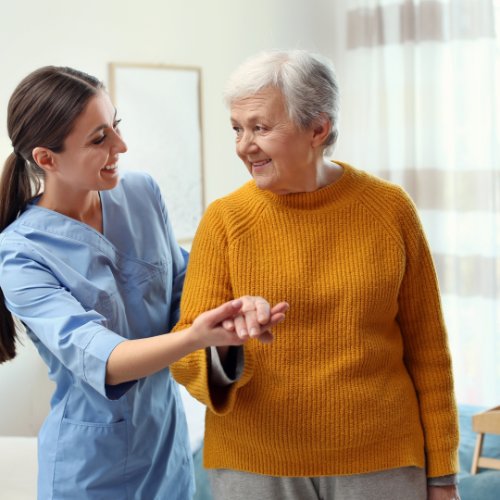
Ever spot Grandma struggling after a fall? Or maybe Dad’s diabetes got complicated? Those moments are classic triggers for skilled nursing. It’s essential for people with:
- Recent surgeries or hospital stays
- Chronic illnesses needing close management (heart disease, COPD, diabetes)
- Complex wounds, pressure sores, or infections
- Feeding tubes, catheters, or ventilators
- Stroke recovery or limited mobility
Even if something seems “minor,” skilled nurses know how small changes can mean big risks for seniors.
Skilled Nursing vs. Other Home Care: What’s the Difference?
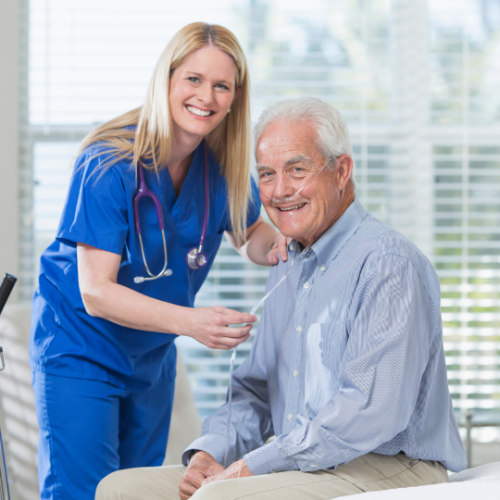
It’s easy to get confused by all the options. Skilled nursing is miles apart from home health aides or personal caregivers. While aides help with bathing, meals, and basic safety, skilled nurses handle medical tasks most laypeople and aides can’t—even family members.
When Is Skilled Nursing Recommended?
Look for:
- Unexpected hospital discharge with complicated needs
- New diagnosis that changes medication, equipment, or care
- Chronic disease progression—more frequent flare-ups or symptoms
- Severe wounds or surgical sites needing daily attention
- Signs of infection, frequent falls, or confusion requiring medical oversight
It’s all about spotting those turning points where expert support keeps loved ones safe and comfortable.
The Assessment Process—Figuring Out What’s Needed
No one-size-fits-all answers here! Skilled nurses start with a thorough assessment, reviewing physical health, medications, mobility, and home safety. They often work side-by-side with doctors to build a detailed care plan and keep families in the loop every step of the way.
Insurance and Payment Options
Let’s get real—cost matters. Most skilled nursing care at home is covered by Medicare (if prescribed by a doctor after a hospital stay), Medicaid, veterans benefits, or long-term care insurance. Out-of-pocket options exist, too. Just remember, coverage depends on the person’s condition, not just age or preference.
FAQs
How do I know if my loved one needs skilled nursing instead of standard home care?
If their health needs include medication management, wound care, equipment monitoring, or medical assessments, skilled nursing is the gold standard.
Can skilled nursing be arranged temporarily?
Yes! Many families use skilled nursing for short-term recovery after surgery or when chronic illness flares up unexpectedly.
Is skilled nursing available overnight or on weekends?
Definitely. Agencies offer flexible scheduling, including round-the-clock or as-needed skilled care.
Will my insurance pay for skilled nursing at home?
Check with your provider. Medicare and Medicaid often do if care’s medically necessary and physician-ordered.
Can skilled nurses help with family education, too?
Absolutely. The best nurses teach families about meds, home safety, and spotting signs that need medical attention.
BrightStar Care of Las Vegas W Can Help!
So to sum it all up, skilled nursing bridges the gap between hospital stays and everyday life—bringing expert care, medical know-how, and reassurance right into the home. For those facing fresh diagnoses, demanding recoveries, or ongoing health challenges, this specialized service ensures that care doesn’t miss a beat. By understanding what skilled nursing is, who needs it, and when to seek it, families can make confident decisions that truly protect and empower their loved ones. With skilled nursing in place, healing and comfort become a daily reality, not just a hope for tomorrow.
BrightStar Care of Las Vegas W's team of professionals will assist you in finding the right caregiver for your loved one. Contact us today to learn more about caregiving services! Our office is at 4775 S. Durango Dr., Suite 200, Las Vegas, NV, 89147. You may also call us at (702) 982-2273.
We look forward to hearing from you!