
Diabetes doesn't take a day off. There's blood sugar to check, medications to take, meals to plan, feet to look after and appointments to keep. For an older adult managing it alone, or a family member helping from across town, it's easy for one small thing to slip.
That's not a failure. It's a lot to keep track of. And in Kentucky, a lot of families are doing it. According to the Kentucky Department for Public Health's 2025 Diabetes Report, about 13.6% of Kentucky adults have diabetes, and among adults 65 and older, it's roughly 1 in 4.
At BrightStar Care of Louisville, we help families turn a complicated care plan into a steady daily routine. This checklist is a simple place to start.
Why a Daily Routine Makes Such a Difference
Most diabetes care happens in the small, everyday moments between doctor visits: breakfast, a walk, a reminder to take medication on time, a quick look at a sore spot on a foot.
When those moments happen on a routine, they stop feeling like a long list of chores. A routine also makes it easier for everyone involved, whether that's a spouse, an adult child or a caregiver, to know what's been done and what still needs attention.
One important note before you start: every person's diabetes plan is different. This checklist is meant to help you organize the plan your loved one's doctor has already set, not replace it. If you're not sure how often to check blood sugar or what numbers to watch for, ask their doctor first.
The Daily Diabetes Checklist
Morning
- ☐ Check blood sugar, if their doctor recommends it, and write the number down
- ☐ Take morning medications or insulin exactly as prescribed
- ☐ Eat a balanced breakfast that fits their meal plan
- ☐ Check both feet for cuts, blisters, redness or swelling (the CDC recommends checking feet every day)
Throughout the Day
- ☐ Drink water regularly
- ☐ Eat meals and snacks at consistent times, following their meal plan
- ☐ Get some gentle movement, like a short walk, if their doctor says it's okay. On cold or icy Louisville days, a walk indoors counts too.
- ☐ Keep a doctor-recommended snack nearby in case blood sugar runs low
Evening
- ☐ Eat dinner at a regular time
- ☐ Take evening medications or insulin as prescribed
- ☐ Check blood sugar again, if recommended, and log it
- ☐ Write down anything unusual: a skipped meal, feeling shaky or tired, a new sore spot
- ☐ Set out tomorrow's supplies and medications
Once a Week
- ☐ Check medication refills and testing supplies before they run out
- ☐ Review the blood sugar log and bring questions to the next appointment
- ☐ Plan meals and make a grocery list together
- ☐ Confirm upcoming appointments, including any eye, foot or lab visits their doctor recommends
Know the Signs, and Have a Plan
It helps to know what low and high blood sugar can look like, so everyone in the home can spot it early.
According to the CDC, low blood sugar can cause shakiness, sweating, a fast heartbeat, dizziness, confusion, irritability or hunger. High blood sugar can cause increased thirst, frequent urination, blurry vision and fatigue.
Ask your loved one's doctor what to do if these happen and when to call, then write that plan down and keep it somewhere easy to find, like on the fridge.
Have a Sick-Day Plan Before You Need One
A cold, the flu or a stomach bug can throw a diabetes routine off fast. According to the CDC, the body releases hormones to fight illness that can raise blood sugar, and a smaller appetite can make blood sugar harder to manage. With cold and flu season underway in Louisville, now is a good time to plan ahead.
The American Diabetes Association recommends deciding on a sick-day plan with your loved one's health care team before they get sick. Ask their doctor:
- How often should blood sugar be checked when they're sick?
- Should any medications or insulin be adjusted?
- What foods and drinks work best if they can't eat normally?
- Which over-the-counter cold and flu medicines are safe for them?
- When should we call the doctor, and when should we seek urgent care?
Write the answers down and keep them with the daily checklist. On sick days, the basics matter even more: plenty of fluids, keeping track of blood sugar readings as the doctor directs and calling the doctor if your loved one can't keep liquids down.
This is also when an extra set of hands helps most. A caregiver who can check in more often, or stay overnight while your loved one recovers, gives the whole family more peace of mind.
Making the Checklist Stick
A checklist only helps if it gets used. A few things that make it easier:
Keep it visible. Print it out and put it on the fridge or next to the medications.
Pair tasks with habits. Checking feet right after putting on socks, or checking blood sugar before the morning coffee, makes it easier to remember.
Let your loved one lead. Most older adults want to manage their own health. Ask what parts they'd like help with, and leave the rest to them.
Share the load. If more than one person helps, a shared log keeps everyone on the same page.
A Free Local Resource for Louisville Families
The University of Louisville's Trager Institute offers a free, six-week Diabetes Self-Management Program. It covers healthy eating, physical activity, monitoring, stress management and avoiding complications. Sessions are held virtually, and the program is open to adults with diabetes or prediabetes and to caregivers who shop or cook for someone with diabetes, with preference given to adults 60 and older.
It's a great fit for families who want to feel more confident about the day-to-day routine. Learn more on the Trager Institute website or call (502) 588-4340.
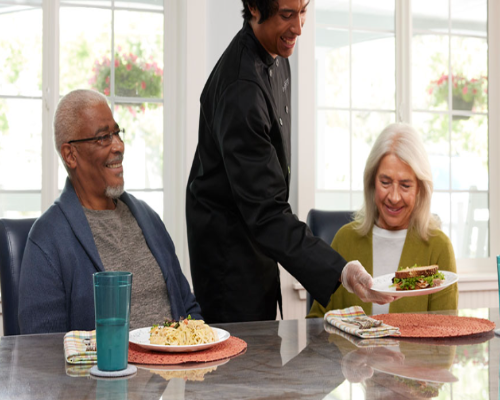
How BrightStar Care of Louisville Supports Families Living with Diabetes
Some families handle the daily routine just fine on their own. Others need a little extra support, especially when diabetes comes with other health conditions, memory changes or recovery after a hospital stay. Our in-home support may include:
- Medication reminders that keep the daily routine on track.
- Meal planning and preparation that follows the meal plan from their doctor or dietitian.
- Grocery shopping and errands, including picking up prescriptions and supplies.
- Encouragement and companionship for daily walks and gentle activity.
- Help with bathing, dressing and personal care, including keeping an eye out for skin and foot changes to report to the family or care team.
- Transportation to medical appointments.
- Extra visits or overnight support during sick days and recovery.
- Skilled nursing visits from licensed nurses, when ordered by a physician.
- Respite for family members who have been carrying the daily routine on their own.
Every care plan is overseen by a Registered Nurse and adjusted as needs change.
Quick FAQs About Diabetes Care at Home
Is this checklist right for everyone with diabetes?
It's a general starting point. Every person's plan is different, so check with their doctor and adjust the checklist to match.
What if my parent forgets meals or medications?
That's very common, especially when memory changes are involved. Simple routines, visible reminders and in-home support can all help keep things on track.
Can we start with just a few visits a week?
Yes. Many families start small, with help around meals or errands a few times a week, and adjust from there.
One Day at a Time, Together
Diabetes care isn't about getting everything perfect. It's about building a routine your loved one can count on, one day at a time, with support that fits their life at home.
BrightStar Care of Louisville proudly serves families across Louisville, St. Matthews, Middletown, Jeffersontown, Shively, Fairdale, Anchorage, Prospect, Glenview, Goshen, Crestwood, Pewee Valley, Shelbyville, Simpsonville, Taylorsville, Mount Washington and the surrounding communities.
Call BrightStar Care of Louisville at (502) 893-4700 to talk with a care specialist about in-home support for your loved one.