
Some of the most powerful memories do not stay on the battlefield. They follow veterans home and can resurface years later, especially as life slows down with age. Retirement, health changes, or the loss of friends can bring old experiences back to the surface and make post traumatic stress symptoms feel stronger than before. Families may notice more nightmares, jumpiness, startle responses, or moments of withdrawal that are hard to talk about. Gentle in home care can help create calmer days by focusing on predictable routines, safe spaces, and supportive companionship that respects each veteran’s story.
How PTSD Can Change With Age
PTSD does not always look the same in later life as it did soon after military service. Some veterans develop late onset stress symptoms, where memories and emotions tied to service become more intense as they age. This can show up as increased irritability, trouble sleeping, emotional numbing, or sudden reactions to certain sounds, dates, or news events that echo past experiences. Families may feel unsure how to respond or worry about “making things worse” if they ask questions.
Creating Calmer Daily Routines
Predictable routines can bring a sense of control and safety for veterans living with PTSD. Simple anchors like consistent wake up times, meals, medication schedules, and quiet evening rituals help the day feel more settled and less chaotic.
Gentle routine ideas caregivers can try:
- Keep meals and medications at the same times each day
- Use a simple daily checklist on paper or a whiteboard
- Build in short, quiet breaks between appointments or outings
- Create a steady wind down routine before bedtime, such as dim lights and soft music
BrightStar Care of Louisville caregivers can help follow these routines, adjust them when needed, and notice patterns that seem to help or unsettle your loved one.
Making Home Feel Safer and Less Triggering
The home itself can either increase stress or help lower it for veterans living with trauma. Thoughtful, trauma informed changes can reduce triggers and support a sense of safety. Many veterans benefit from having a designated quiet space, softer lighting, and fewer sudden noises.
Care professionals can help families:
- Identify possible triggers in the home, such as loud television volume or cluttered spaces
- Create a quiet “retreat” area with comfortable seating, soft colors, and personal items that bring comfort
- Use calming elements like natural light, familiar photos, or gentle music
- Support the veteran in choosing where they sit, how doors are positioned, and how to signal when they need space, which can restore a sense of control
Gentle Coping Tools for Tough Moments
While mental health treatment and VA services are essential, everyday coping tools at home can also help veterans manage stressful moments. In home caregivers cannot replace therapists, but they can support skills recommended by the care team and encourage healthy habits.
Examples include:
- Guided breathing or simple relaxation exercises if the veteran finds them helpful
- Short walks, stretching, or light exercise to release stress and improve mood
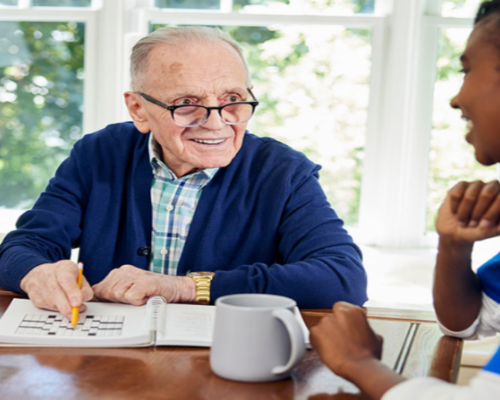
- Quiet activities like reading, puzzles, or listening to favorite music
- Creative outlets such as drawing, journaling, or working on small projects, which can offer a safe way to express feelings
BrightStar Care of Louisville can follow the guidance of the veteran’s mental health providers and help weave these tools into daily life in a gentle, non intrusive way.
Supporting Family Caregivers
Caring for an aging veteran with PTSD can be deeply meaningful and also emotionally draining at times. Family members may feel pulled between wanting to protect their loved one, honoring their privacy, and needing a break. In home care can share the load by handling personal care, light housekeeping, meal prep, and companionship, giving families time to rest and recharge.
Caregivers from BrightStar Care of Louisville can also:
- Provide regular updates on daily routines and mood changes
- Offer calm, respectful presence during difficult days
- Encourage families to stay connected with VA caregiver support resources and local veteran groups
Frequently Asked Questions About PTSD and In Home Care
Can in home care replace mental health treatment for PTSD?
No. In home care is meant to support daily life, not replace therapy, counseling, or medical treatment. Caregivers can reinforce coping skills suggested by clinicians and help create a calmer environment, but veterans should continue working with their VA or community mental health providers.
What if my loved one is private and hesitant about having someone in the home?
Many veterans value independence and may be unsure about accepting help at first. Starting with shorter visits focused on practical tasks, such as meal prep or transportation, can help build trust. Over time, a consistent caregiver can become a trusted part of the routine rather than a disruption.
How can I tell if PTSD symptoms are getting worse as my loved one ages?
Watch for changes such as more frequent nightmares, increased jumpiness or anger, withdrawal from favorite activities, new confusion, or stronger reactions to reminders of service. If you notice a pattern, contact the veteran’s doctor or mental health provider and share specific examples.
Can veterans receive help paying for in home care?
Some veterans may qualify for support through VA programs or other benefits, depending on their service history, disability rating, and care needs. A care manager can help families explore options and understand what services different programs may cover.
Turn Care at Home Into a Calmer Daily Mission
If you are caring for a veteran living with PTSD and aging related changes, you do not have to handle it on your own. BrightStar Care of Louisville can help you create steady routines, calmer spaces, and everyday support that honors your loved one’s service and dignity. Call BrightStar Care of Louisville at 502 893 4700 to speak with a care manager about gentle in home support for the veteran in your life.