
For many veterans, “home” is more than a place. It’s where they feel safe, grounded, and in control. After years of structure, service, and sacrifice, the idea of moving into a facility can feel overwhelming or even wrong.
But as time goes on, everyday tasks can get harder—especially for veterans living with chronic pain, mobility changes, injuries, or the long-term effects of service. That’s where personal care and help with Activities of Daily Living (ADLs) can make a quiet but powerful difference.
This kind of support isn’t about taking over someone’s life. It’s about helping veterans stay independent, safe, and comfortable in the place they love most: home.
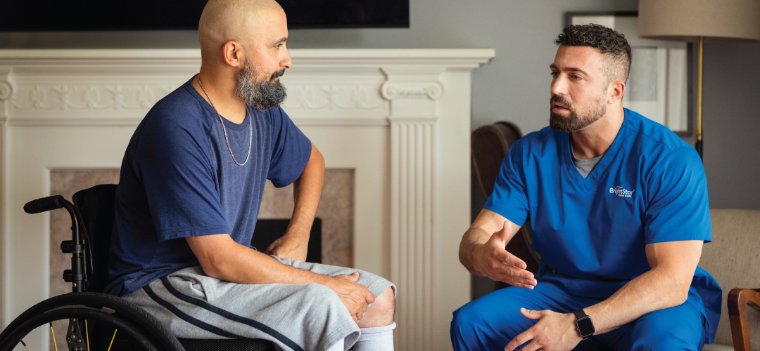
Activities of Daily Living (ADLs) are the basic things we all do every day, like:
When one or more of these become difficult, a veteran may:
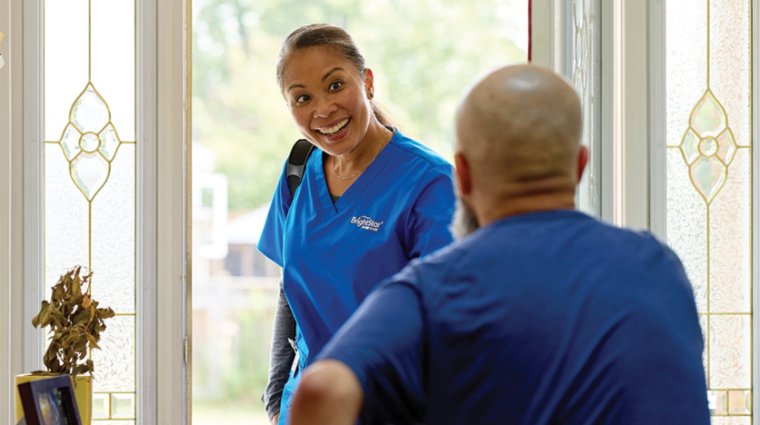
Personal care and ADL support can help by:
Veterans may also carry invisible wounds—PTSD, anxiety, depression, or feelings of isolation, especially as they age.
Personal care isn’t just physical. It’s often:
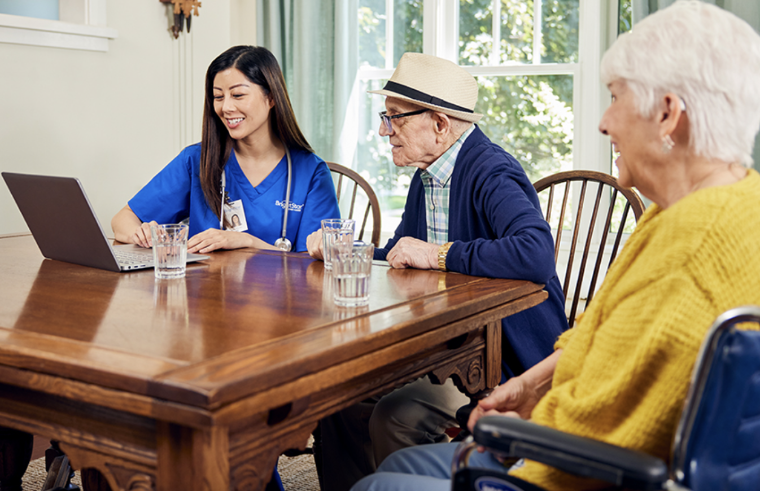
You might want to consider ADL and personal care support if you’ve noticed:
Veterans have given so much of themselves in service—to our country, to their communities, to their families. Personal care and assistance with daily living is one way we give something meaningful back.
If you’ve been wondering whether your veteran loved one needs extra help at home, that quiet question is often the first sign. Personal care and ADL support can be the bridge between what they can still do and what they shouldn’t have to do alone anymore.
Call BrightStar Care of San Antonio at 210-377-3355 to schedule your free assessment today! Our office is located at 7710 I-10, San Antonio, TX 78230. We proudly serve veterans and their families in San Antonio, TX and surrounding communities.
ADL support is designed to encourage seniors to do as much as they can on their own, while providing help with the tasks they are struggling with. It allows them to stay at home longer, safely, and with dignity, without feeling overwhelmed.
Yes! We offer flexible care options, from a few hours a day to 24/7 support, depending on your loved one’s needs. Whether it’s for a short-term need or ongoing assistance, we’re here to help.
But as time goes on, everyday tasks can get harder—especially for veterans living with chronic pain, mobility changes, injuries, or the long-term effects of service. That’s where personal care and help with Activities of Daily Living (ADLs) can make a quiet but powerful difference.
This kind of support isn’t about taking over someone’s life. It’s about helping veterans stay independent, safe, and comfortable in the place they love most: home.
What Are ADLs, and Why Do They Matter for Veterans?
Activities of Daily Living (ADLs) are the basic things we all do every day, like:
- Bathing and showering
- Getting dressed
- Grooming and hygiene
- Using the bathroom
- Moving around the home safely
- Eating and staying hydrated
When one or more of these become difficult, a veteran may:
- Skip showers or grooming because it feels physically unsafe
- Wear the same clothes for days
- Struggle getting on and off the toilet or in and out of bed
- Avoid the kitchen because standing is painful or exhausting
Physical Challenges: When Service Leaves Lasting Marks
Some veterans live with injuries or conditions that make daily life harder, such as:- Joint pain or arthritis
- Back and neck injuries
- Amputations or prosthetics
- Traumatic brain injuries
- Chronic illness, cardiac or respiratory issues
Personal care and ADL support can help by:
- Making bathing safer with hands-on help and bathroom safety tips
- Supporting transfers in and out of bed, chairs, and vehicles
- Encouraging gentle movement to maintain strength and mobility
- Watching for changes—like new pain, weakness, or shortness of breath
Emotional and Mental Well-Being: More Than Just “Tasks”
Veterans may also carry invisible wounds—PTSD, anxiety, depression, or feelings of isolation, especially as they age.Personal care isn’t just physical. It’s often:
- A daily check-in with someone who listens
- A chance to talk about their day, their memories, or their worries
- A way to keep a sense of routine and normalcy
- A simple reminder that they’re not alone
- Stick to a morning routine that grounds them
- Take a short walk or sit outside for fresh air
- Prepare easy meals that support both body and mind
- Re-engage with hobbies—puzzles, sports on TV, music, or reading
What Personal Care for Veterans Looks Like in Real Life
Here’s how a typical day with personal care and ADL support might look for a veteran at home:- Morning: A caregiver arrives, helps the veteran get out of bed safely, assists with bathing and dressing, and supports shaving or grooming so they feel sharp and confident.
- Midday: The caregiver prepares a simple meal, encourages hydration, and sits down for conversation or a game. Maybe they help with light housekeeping, like tidying the bathroom or kitchen.
- Afternoon: They assist with a short walk or gentle stretching, help organize medications, or prepare snacks for later. They make sure pathways are clear and the home is safe.
Signs a Veteran Might Benefit from Personal Care at Home
You might want to consider ADL and personal care support if you’ve noticed:
- More frequent falls or close calls
- Strong body odor, unchanged clothes, or skipped showers
- Difficulty getting out of bed or chairs
- Changes in appetite or weight
- Untidy or unsafe spaces—clutter, spills, or obstacles
- A spouse who looks exhausted or overwhelmed
BrightStar Care of San Antonio Respects Their Service by Supporting Their Everyday Life
Veterans have given so much of themselves in service—to our country, to their communities, to their families. Personal care and assistance with daily living is one way we give something meaningful back.If you’ve been wondering whether your veteran loved one needs extra help at home, that quiet question is often the first sign. Personal care and ADL support can be the bridge between what they can still do and what they shouldn’t have to do alone anymore.
Call BrightStar Care of San Antonio at 210-377-3355 to schedule your free assessment today! Our office is located at 7710 I-10, San Antonio, TX 78230. We proudly serve veterans and their families in San Antonio, TX and surrounding communities.