
February is a natural moment to focus on blood pressure because American Heart Month puts heart health front and center for seniors and their families. It’s a gentle opening to talk about hypertension and explore how in-home support from BrightStar Care of Pinellas can help keep loved ones safer and more independent at home.
Blood Pressure Basics for Seniors
High blood pressure (hypertension) means the force of blood against the artery walls stays too high for too long. Many older adults don’t feel any different day to day, even when their numbers are elevated, which is why hypertension is often called a “silent” condition.
Over time, uncontrolled blood pressure can increase the risk of heart attack, stroke, kidney disease, and other serious complications. That’s why regular monitoring, follow-up with healthcare providers, and supportive routines at home matter so much—especially as we move through Heart Month.
Why February (Heart Month) Is the Perfect Time to Check In
February’s American Heart Month is a built-in reminder to pause and check on blood pressure, medications, and heart-healthy habits. Pharmacies, clinics, and organizations share resources and screenings, which can make it easier to start conversations that might otherwise feel uncomfortable.
Everyday Ways to Support Healthy Blood Pressure at Home
There’s no single magic fix for hypertension, but small, consistent choices at home can make a big difference for seniors.
- Regular blood pressure checks, using a home cuff your loved one’s doctor recommends, help track trends and catch rising numbers early.
- Taking medications exactly as prescribed—no skipped doses, no doubling up—plays a key role in keeping blood pressure stable.
- Heart-healthy meals that are lower in sodium and rich in fruits, vegetables, and whole grains support better blood pressure and overall heart health.
- Gentle activity most days, such as short walks or doctor-approved exercises, helps the heart work more efficiently.
- Stress management, good sleep, and social connection can all help the body handle blood pressure more smoothly.
How BrightStar Care of Pinellas Supports Seniors With Hypertension
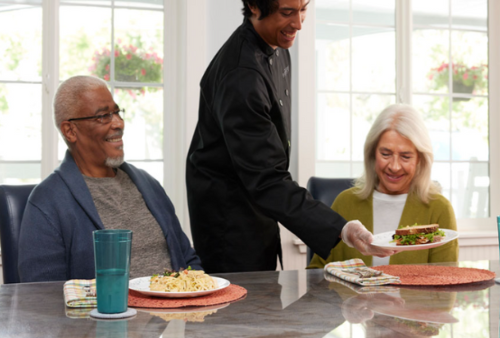
In-home services are designed to help seniors manage conditions like hypertension while staying in the place they know best—their own home. The local care team combines companion care, personal care, and in-home skilled nursing to support both everyday routines and more complex health needs.
Here’s how caregivers and nurses can help with blood pressure management:
- Medication reminders, organization, and nurse oversight help reduce missed doses and medication mix-ups.
- Heart-healthy meal support, including grocery help and low-sodium meal prep, makes daily choices easier for seniors who are tired or overwhelmed.
- Gentle encouragement and supervision during light exercise help your loved one stay active without feeling pushed beyond safe limits.
- Nurse-led monitoring—such as tracking vital signs and watching for changes in symptoms—can provide early warning signs to share with the healthcare team.
- Companionship and emotional support reduce loneliness and stress, which can also influence blood pressure and overall heart health.
When Is It Time to Add Extra Support?
It can be hard to know when to move from “checking in” to getting structured help at home. Families often notice things like rising blood pressure readings, more frequent dizziness, confusion about medications, or skipped meals. They may also realize they’re feeling stretched thin—trying to manage work, kids, and caregiving while worrying constantly about a parent’s health.
If this sounds familiar, it may be time to consider in-home support from BrightStar Care of Pinellas, where nurse-led, personalized care plans are designed to match your loved one’s needs and adjust as things change.
FAQs About Hypertension and Home Care
1. How often should my loved one check their blood pressure?
Their doctor is the best person to set an exact schedule, but many seniors are asked to check their blood pressure at home at consistent times, such as morning and evening. Keeping a simple log to share at appointments gives the healthcare team a clearer picture than a single reading in the office.
2. What if my parent feels fine but has high readings?
Hypertension often has no obvious symptoms, so “feeling fine” doesn’t always mean blood pressure is under control. Focusing the conversation on long-term brain and heart health, rather than fear, can make it easier for seniors to accept monitoring and small lifestyle changes.
3. Can in-home caregivers really help with high blood pressure?
Yes. Caregivers and nurses can support medication routines, heart-healthy meals, safe activity, and stress reduction, all of which matter for hypertension. At BrightStar Care of Pinellas, care plans are supervised by a Registered Nurse to help align daily support with the doctor’s recommendations.
4. How does BrightStar Care of Pinellas work with our existing doctors?
The team can follow your loved one’s provider instructions, track vital signs and symptoms, and share observations with the family so you can update the doctor accurately. This nurse-led approach helps reduce the likelihood of avoidable hospital visits or urgent crises.
5. Is it okay to start with just a few hours of care?
Absolutely. Many families begin with limited hours for things like medication reminders, meal support, or companionship and expand as needs or comfort levels change. Starting earlier—especially during Heart Month—can help your loved one maintain independence and may prevent emergencies.
Prioritize Heart Health at Home With BrightStar Care of Pinellas
BrightStar Care of Pinellas can help your loved one manage high blood pressure at home with a mix of medical guidance, daily routines, and compassionate in-home support. If you’re in Pinellas County and wondering about next steps, explore their blog and resources, review in-home care services, or learn about skilled nursing care. Reach us, by calling (727) 828-6030 or visit us at 10225 Ulmerton Rd, Unit 6B, Largo, FL, 33771.