
Your dad just came home from the hospital. Your mom's arthritis is getting worse. Your aunt keeps forgetting to take her medications. You're staring at your phone, trying to figure out what kind of care they actually need—and honestly, it's overwhelming.
Here's the thing: not all care is created equal. Some situations call for a licensed nurse monitoring wound care and managing complex medications. Others just need someone to help with bathing, meals, and companionship. Most families, though? They need a combination of both. Understanding the difference between skilled nursing and personal care isn't just helpful—it's essential for getting your loved one the right support without overpaying or undershooting their needs.
What's the Difference Between Skilled Nursing vs. Personal Care?
The line between skilled nursing and personal care can feel fuzzy, but here's the straightforward breakdown.
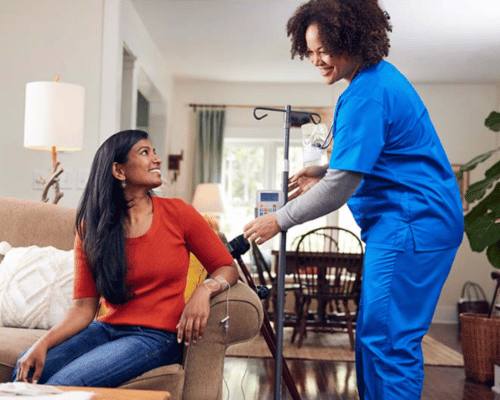
Skilled nursing involves hands-on medical care delivered by licensed nurses. We're talking wound dressing changes, medication management, IV therapy, and monitoring complex health conditions. It requires clinical judgment and professional licensure.
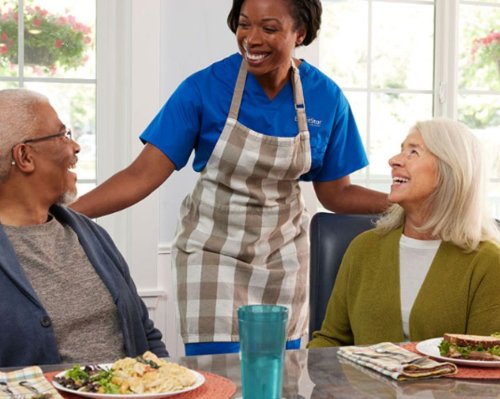
Personal care, by contrast, focuses on helping someone with daily living tasks. Bathing, dressing, meal prep, light housekeeping, companionship—these are the bread-and-butter activities that keep someone comfortable and independent at home.
The key distinction? One requires a medical license. The other doesn't.
Skilled Nursing Care: When Your Loved One Needs Clinical Expertise
Skilled nursing isn't something you typically need forever. It's usually temporary, triggered by a specific medical event or condition.
What Skilled Nurses Actually Do
Licensed nurses handle the medical heavy lifting. Here's what that includes:
- Medication management and administration for complex medication regimens
- Wound care and dressing changes post-surgery or for chronic conditions
- Catheter care and ostomy management
- IV therapy and infusion administration
- Blood pressure and glucose monitoring
- Post-surgical recovery support and rehabilitation coordination
- Chronic disease management for diabetes, heart disease, COPD, and similar conditions
When You Actually Need Skilled Nursing
You're looking at skilled nursing when your loved one's been recently discharged from the hospital, has just had surgery, was diagnosed with a serious illness requiring close medical monitoring, or can't manage their medications safely without professional oversight.
Here's the real talk: Medicare covers skilled nursing under specific circumstances—usually after a hospital stay or when a physician orders it for medical necessity. But here's the catch: it won't cover it indefinitely. Once your loved one stabilizes, that coverage typically ends, and families need to pivot to personal care or pay out-of-pocket.
Personal Care: The Support That Keeps Life Moving
Personal care is the unsung hero of aging in place. It's not glamorous or high-tech, but it's absolutely essential for maintaining dignity and independence.
What Personal Care Includes
A personal care aide helps with the everyday stuff that becomes harder over time:
- Bathing and personal hygiene
- Dressing and grooming
- Meal preparation and feeding assistance
- Light housekeeping and laundry
- Companionship and emotional support
- Transportation and errands
- Medication reminders (but not administration)
When Personal Care Is the Right Call
You're likely looking at personal care when your loved one is generally healthy but struggles with mobility or has difficulty managing daily tasks, is recovering well from an illness or procedure, or is aging and simply needs a hand with activities they can't do alone anymore.
BrightStar Care of Pinellas: The Nurse-Directed Difference
Here's what sets our agency apart: RN oversight from day one.
At BrightStar Care of Pinellas, every client—whether they're getting skilled nursing or personal care—has a Registered Nurse Director of Nursing overseeing their care plan. That nurse does the initial assessment, coordinates with physicians, monitors progress, and adjusts the plan as things change.
Why does this matter? Because you're not guessing. You're getting clinical expertise ensuring your loved one gets exactly what they need, nothing more, nothing less.
FAQs: Answering Your Real Questions
What exactly is skilled nursing care, and how does it differ from personal care assistance?
Skilled nursing care involves medical services delivered by licensed nurses—think wound care, medication management, IV therapy, and disease monitoring. Personal care assistance covers non-medical help like bathing, dressing, meal prep, and companionship. The main difference? One requires clinical expertise and a license; the other focuses on daily living support.
How do I know if my loved one needs skilled nursing or personal care?
Start by reviewing any hospital discharge paperwork or physician orders. Ask your doctor directly whether your loved one needs licensed nursing care or if personal care support would be sufficient. A professional in-home assessment from a reputable agency can clarify this too. Most situations involve some combination of both.
Can someone transition from skilled nursing to personal care as they recover?
Yes, transitions are totally normal and expected. As your loved one improves, you can scale back nursing visits and shift toward personal care support. This flexibility helps manage costs and matches care to their actual needs at each stage of recovery.
Do personal care aides need training or certification?
It depends on your state. Some states require formal certification; others don't. Always ask potential caregivers about their training, background checks, and experience with your loved one's specific needs.
How often do skilled nurses typically visit?
Frequency depends on medical necessity and the care plan. Some people need daily visits initially; others might need a few visits per week. Medicare and insurance also influence how often visits are covered.
Can I have both skilled nursing and personal care at the same time?
Absolutely. Many situations call for periodic nursing visits combined with ongoing personal care support. For example, a nurse might visit weekly to manage medications while a personal care aide helps daily with bathing and meals.
BrightStar Care of Pinellas
Figuring out skilled nursing vs. personal care doesn't require a medical degree—it just requires an honest conversation about what your loved one actually needs right now. Start with their doctor, get a professional assessment, and remember that needs change. What works today might shift.
We’re here to provide the resources and support you need to care for your loved one. Contact us today to learn more about caregiving services! Our office is at 10225 Ulmerton Rd, Unit 6B, Largo, FL, 33771. You may also call us at (727) 828-6030.
Your loved one deserves care that fits their life—not a one-size-fits-all approach. Let's make sure they get exactly that.