
A stroke can happen suddenly—or it can begin quietly, with small changes that are easy to miss. For seniors and their families, knowing the early warning signs of a stroke can make the difference between a full recovery and long-term complications.
At BrightStar Care of Richmond, we see firsthand how fast action, early recognition, and proper support at home can protect health, independence, and quality of life. Understanding what to watch for—and when to seek help—can save a life.
A stroke occurs when blood flow to the brain is interrupted, either by a blockage or bleeding. Brain cells begin to suffer damage within minutes, which is why strokes are medical emergencies.
The good news? Early treatment can significantly reduce long-term effects. Many stroke survivors recover more fully when symptoms are recognized quickly and medical care is started right away.
For older adults, stroke symptoms can sometimes look different—or be mistaken for fatigue, confusion, or “just aging.” That’s why awareness is so important.
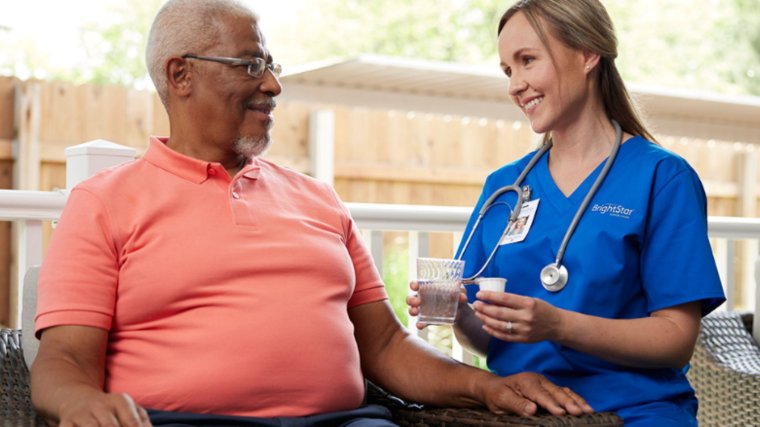
Healthcare professionals often use the FAST method, but stroke symptoms can extend beyond those basics.
Facial Changes
Time matters during a stroke. If you notice sudden changes in movement, speech, or awareness, do not drive your loved one to the hospital or wait for a doctor’s appointment.
Emergency responders can begin life-saving care immediately and route patients to stroke-ready hospitals, improving outcomes.
Even symptoms that come and go—known as a TIA or “mini-stroke”—are serious warning signs and should never be ignored.
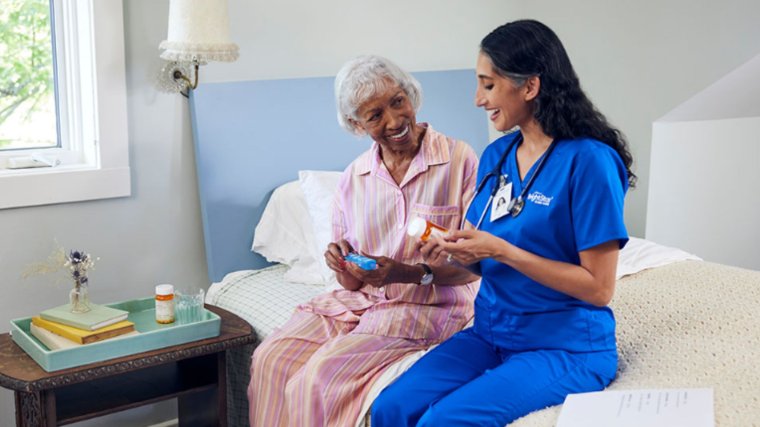
Many seniors return home after hospitalization or rehabilitation, but recovery doesn’t end there. The weeks and months following a stroke are critical.
At-home support can help with:
At BrightStar Care of Richmond, we provide nurse-led, personalized in-home care designed to support both stroke survivors and their families.
Our services include:
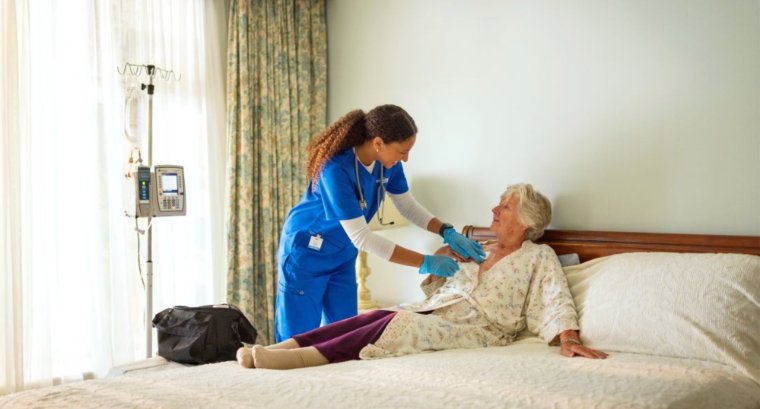
If your loved one has experienced a stroke—or you’re concerned about their risk—you don’t have to manage recovery alone.
Contact BrightStar Care of Richmond today to schedule a free in-home consultation and learn how our team can support stroke recovery and ongoing health—right where your loved one feels most comfortable: home.
BrightStar Care of Richmond, VA is here to provide the resources and support you need to care for your loved one. Contact us today to learn more about caregiving services! Our office is located at 2221 Pump Rd, Henrico, VA 23233, United States. You may also call us at 804-378-8686.
At BrightStar Care of Richmond, we see firsthand how fast action, early recognition, and proper support at home can protect health, independence, and quality of life. Understanding what to watch for—and when to seek help—can save a life.
Why Recognizing Stroke Symptoms Early Matters
A stroke occurs when blood flow to the brain is interrupted, either by a blockage or bleeding. Brain cells begin to suffer damage within minutes, which is why strokes are medical emergencies.The good news? Early treatment can significantly reduce long-term effects. Many stroke survivors recover more fully when symptoms are recognized quickly and medical care is started right away.
For older adults, stroke symptoms can sometimes look different—or be mistaken for fatigue, confusion, or “just aging.” That’s why awareness is so important.
Common Early Signs of Stroke to Watch For
Healthcare professionals often use the FAST method, but stroke symptoms can extend beyond those basics.Facial Changes
- Drooping on one side of the face
- Uneven smile
- Numbness or weakness in facial muscles
- Sudden weakness or numbness on one side of the body
- Difficulty lifting an arm or walking steadily
- Trouble gripping objects
- Slurred speech
- Trouble finding words
- Confusion or difficulty understanding others
- Sudden blurred or double vision
- Loss of vision in one or both eyes
- Dizziness
- Trouble walking
- Loss of coordination
- Severe Headache
- Sudden, intense headache with no known cause
When to Seek Emergency Help
Time matters during a stroke. If you notice sudden changes in movement, speech, or awareness, do not drive your loved one to the hospital or wait for a doctor’s appointment.Emergency responders can begin life-saving care immediately and route patients to stroke-ready hospitals, improving outcomes.
Even symptoms that come and go—known as a TIA or “mini-stroke”—are serious warning signs and should never be ignored.
Recovery After a Stroke: Why Support at Home Matters
Many seniors return home after hospitalization or rehabilitation, but recovery doesn’t end there. The weeks and months following a stroke are critical.At-home support can help with:
- Medication management
- Mobility and fall prevention
- Personal care and daily activities
- Speech or cognitive challenges
- Monitoring for new or recurring symptoms
How BrightStar Care of Richmond Supports Stroke Recovery
At BrightStar Care of Richmond, we provide nurse-led, personalized in-home care designed to support both stroke survivors and their families.Our services include:
- Skilled nursing and health monitoring
- Assistance with daily activities (bathing, dressing, mobility)
- Medication reminders and coordination
- Companionship and emotional support
- Transitional care after hospital or rehab discharge
- Respite care for family caregivers
3 Frequently Asked Questions About Stroke Signs and Care
What are the first warning signs of a stroke?
Early warning signs of a stroke include facial drooping, weakness on one side of the body, slurred or confused speech, vision changes, dizziness, and sudden severe headache. These symptoms require immediate emergency care.What should I do if stroke symptoms appear but go away?
Even if symptoms disappear, call 911. Temporary symptoms may indicate a TIA (mini-stroke), which significantly increases the risk of a major stroke in the near future.How can in-home care help after a stroke?
In-home care supports recovery by assisting with daily activities, monitoring health changes, managing medications, preventing falls, and providing skilled nursing care—helping seniors heal safely at home while reducing hospital readmissions.
Take the Next Step Toward Safer Recovery
If your loved one has experienced a stroke—or you’re concerned about their risk—you don’t have to manage recovery alone.Contact BrightStar Care of Richmond today to schedule a free in-home consultation and learn how our team can support stroke recovery and ongoing health—right where your loved one feels most comfortable: home.
BrightStar Care of Richmond, VA is here to provide the resources and support you need to care for your loved one. Contact us today to learn more about caregiving services! Our office is located at 2221 Pump Rd, Henrico, VA 23233, United States. You may also call us at 804-378-8686.