
.png "3-(1).png")
Midtown Atlanta is one of those neighborhoods where it’s easy to stay active. On any given morning you’ll see people walking through Piedmont Park, stopping by a neighborhood coffee shop along Peachtree Street, or picking up fresh ingredients from a local market. For many older adults who live in Midtown, that lifestyle is a big part of why they want to remain in their homes as they age.
Good nutrition plays an important role in making that possible.
As people grow older, small changes in eating habits can have a big impact on overall health. Balanced meals help maintain strength, support heart health, and keep energy levels stable throughout the day. For seniors who want to continue living independently in Midtown, nutrition is often one of the simplest and most powerful ways to support long-term wellness.
Families sometimes begin noticing subtle signs that nutrition needs attention. A parent might skip meals, rely more on convenience foods, or lose interest in cooking. These changes are common, but they can gradually affect strength, mobility, and overall health if they continue for too long.
The good news is that healthy eating doesn’t require complicated diets or strict meal plans. Often, it comes down to small adjustments and consistent routines.
Why Nutrition Changes With Age
As we age, the body processes food differently than it did in earlier decades. Metabolism naturally slows down, and appetite can decrease. Certain medications may also influence taste, digestion, or nutrient absorption.
Because of these changes, older adults sometimes eat less than they need without realizing it. Even when portion sizes shrink, the body still requires important nutrients to maintain muscle strength, bone density, and immune health.
A well-balanced diet helps support several areas that become increasingly important later in life:
- Maintaining strength and mobility
- Supporting heart health
- Strengthening the immune system
- Protecting cognitive health
- Sustaining daily energy levels
When nutrition is consistent and balanced, seniors often feel stronger, more energized, and better able to stay active.
Protein Helps Maintain Strength
Muscle loss is one of the most common physical changes associated with aging. Without enough protein in the diet, muscles gradually weaken, which can increase the risk of falls and injuries.
Including protein with each meal helps support muscle health and overall strength.
Many Midtown residents enjoy simple protein-rich foods such as eggs in the morning, grilled chicken or fish for lunch, and beans or lentils incorporated into dinners. Greek yogurt, nuts, and cottage cheese can also be convenient options that provide both protein and important nutrients.
These foods don’t require complicated recipes, and they can easily become part of a daily routine.
Fiber Supports Digestive Health
Digestive health often becomes more sensitive with age. Fiber helps maintain healthy digestion while also supporting heart health and stable blood sugar levels. Whole grains, vegetables, fruits, and beans all provide natural sources of fiber. Simple additions like oatmeal at breakfast or vegetables with lunch and dinner can make a noticeable difference over time.
Many seniors in Midtown enjoy visiting local markets or neighborhood grocery stores where fresh produce is readily available. Access to these ingredients makes it easier to maintain a balanced diet throughout the week.
Calcium and Vitamin D Protect Bone Health
Bone density gradually decreases with age, which increases the risk of fractures. Calcium and vitamin D play a key role in maintaining strong bones.
Dairy products such as milk and yogurt are well-known sources of calcium, but leafy greens, fortified cereals, and certain fish can also help meet daily needs.
Vitamin D is produced naturally when the body is exposed to sunlight. Spending time outdoors, whether walking through Piedmont Park or simply enjoying a sunny afternoon, can help support this process.
Maintaining bone health is especially important for seniors who want to remain active and mobile.
Hydration Is Often Overlooked
One of the most common health concerns among older adults is dehydration. As people age, their sense of thirst may decrease, which means they may not feel thirsty even when the body needs fluids.
Staying hydrated helps support energy levels, circulation, and overall well-being.
Water is always the best option, but herbal teas, soups, and water-rich foods such as fruits can also contribute to daily hydration.
Simple habits, like drinking a glass of water with each meal, can help ensure seniors stay properly hydrated throughout the day.
Common Challenges Seniors Face With Nutrition
.png "2-(1).png")
Even when older adults understand the importance of nutrition, several practical challenges can make healthy eating more difficult.
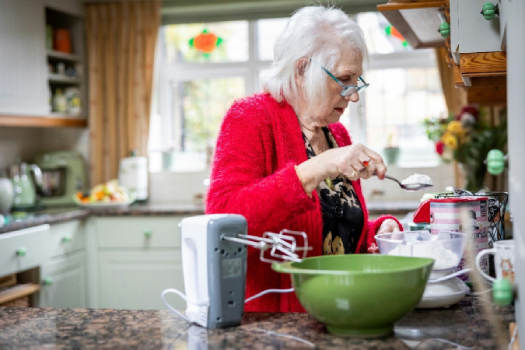
Cooking every day can become physically demanding. Grocery shopping may require transportation or assistance. And for seniors who live alone, preparing meals may feel less enjoyable without someone to share them with.
These factors sometimes lead seniors to rely more heavily on processed or convenience foods, which may not provide the nutrients their bodies need. Families often notice these patterns slowly developing over time.
How Support Makes a Difference
For many seniors, a little support goes a long way.
Caregivers can help with grocery shopping, meal preparation, and maintaining regular meal routines. Having someone assist in the kitchen or share a meal can make eating more enjoyable and encourage better nutrition.
Caregivers can also help ensure seniors stay hydrated, follow dietary recommendations from physicians, and maintain balanced meals throughout the week. In many cases, this type of support allows seniors to continue living independently while maintaining healthier daily habits.
Midtown’s Environment Encourages Wellness
One of the advantages of living in Midtown is the access to wellness resources and outdoor spaces. Neighborhood parks, walking paths, and community activities encourage seniors to stay active and socially connected.
Maintaining physical activity alongside proper nutrition helps support overall health and independence.
For many older adults, the ability to walk through the neighborhood, visit local shops, or spend time outdoors contributes significantly to quality of life.
Aging Well at Home
Most seniors express a strong desire to remain in their homes as they age. With the right support and healthy daily habits, that goal is often achievable. Balanced nutrition, regular physical activity, and meaningful social interaction all contribute to healthy aging.
For seniors living in Midtown Atlanta, small daily choices—like preparing balanced meals, staying hydrated, and staying active—can make a meaningful difference in long-term wellness.
Aging well is rarely about dramatic lifestyle changes. More often, it’s about simple routines that support strength, independence, and quality of life over time.
Disclaimer: The information in this article is intended for general educational purposes and should not be considered medical advice. Individuals should consult their physician or healthcare provider regarding specific medical concerns.