
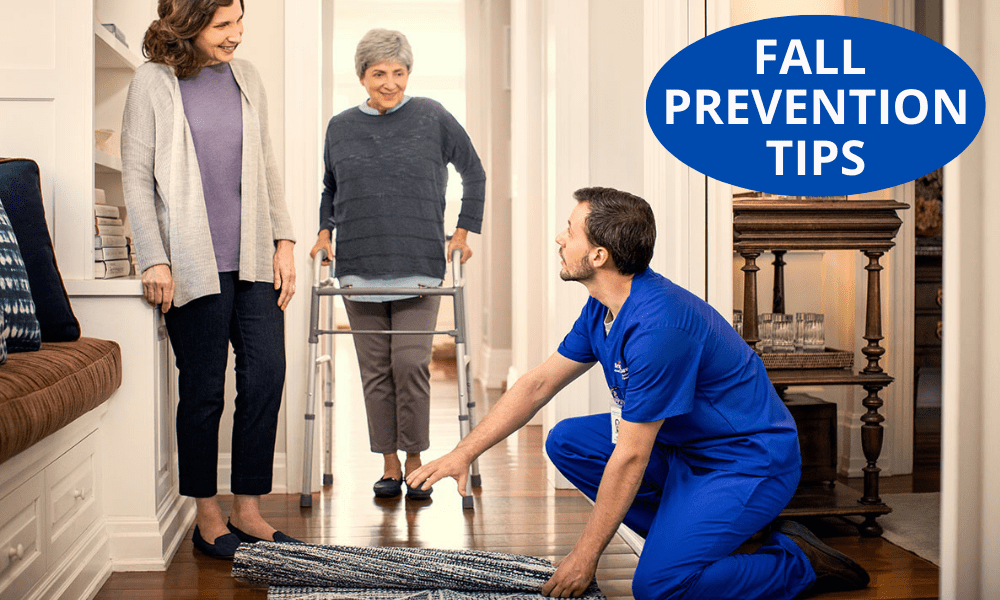
For many older adults, home is where they feel most comfortable, independent, and secure. But even familiar surroundings can present fall hazards. A loose rug, poor lighting, slippery bathroom floor, or cluttered walkway can turn an ordinary day into a serious accident.
Falls are one of the leading causes of injury among adults aged 65 and older. The CDC reports that more than 1 in 4 older adults fall each year, and falls can lead to injuries, hospital visits, reduced mobility, and loss of independence. Fortunately, many falls can be prevented by identifying risks and making practical changes at home.
For families in Flower Mound, taking a proactive approach to fall prevention can help older loved ones remain safe and independent in the place they call home.
Why Fall Prevention Matters
A fall can have consequences that go far beyond a bruise or broken bone. After a fall, an older adult may become afraid of falling again, reduce their activity, or lose confidence in walking around the home. Reduced activity can contribute to weakness and mobility problems, potentially increasing the risk of another fall.
The good news is that fall risk can often be addressed through a combination of home safety improvements, appropriate exercise and mobility support, medication review, vision care, and individualized healthcare planning. The CDC's STEADI initiative encourages healthcare professionals to screen for fall risk, identify contributing factors, and develop strategies to reduce those risks.
10 Ways to Help Prevent Falls at Home
1. Remove Tripping Hazards
Start by walking through the home and looking for anything that could cause someone to trip.
Pay particular attention to:
- Loose area rugs
- Electrical cords
- Clutter in hallways
- Shoes or clothing left on the floor
- Small pieces of furniture that obstruct walking paths
- Uneven flooring
- Items stored on the stairs
Keep frequently used walking areas clear and make sure rugs are securely anchored or removed altogether.
2. Improve Lighting
Poor lighting can make it difficult for an older adult to see obstacles.
Make sure hallways, stairways, bedrooms, bathrooms, and entryways are well lit. Nightlights can be especially helpful between the bedroom and bathroom.
Keep a lamp or other light source within easy reach of the bed so your loved one doesn't have to walk through a dark room to turn on the lights.
3. Make the Bathroom Safer
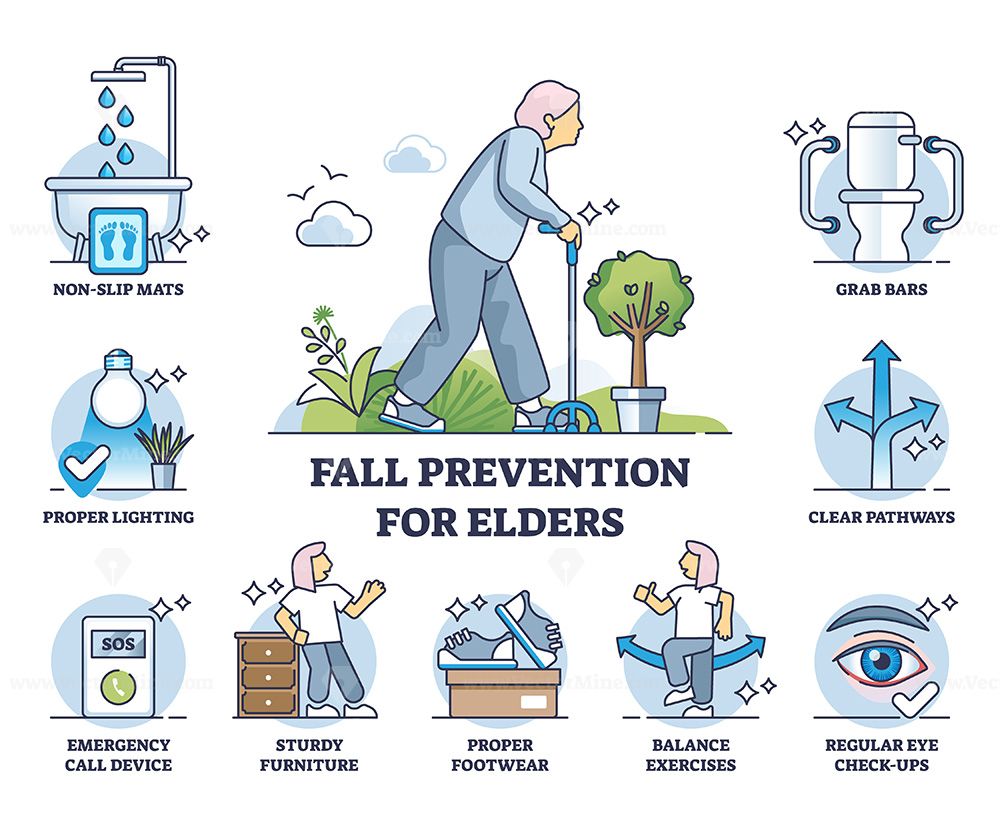
Bathrooms are an important area to address because wet surfaces can be slippery.
Consider installing:
- Grab bars near the toilet and shower
- Non-slip mats
- A handheld showerhead
- A shower chair if appropriate
- Adequate lighting
Avoid relying on towel racks or other fixtures for support. Properly installed grab bars provide a safer option.
4. Use Handrails on Stairs
Stairs can become increasingly challenging as balance, strength, or vision changes.
Make sure stairways have sturdy handrails and adequate lighting. Keep steps free of objects and repair damaged or uneven surfaces.
If stairs are becoming difficult or unsafe, speak with a healthcare professional about mobility options and whether additional assistance may be appropriate.
5. Choose Safe Footwear
Shoes can make a significant difference in stability.
Encourage older adults to wear properly fitting shoes with non-slip soles and good support. Avoid walking around the house in socks or loose slippers that can increase the risk of slipping.
6. Review Medications with a Healthcare Provider
Some medications or combinations of medications can contribute to dizziness, drowsiness, or changes in blood pressure.
If an older adult experiences dizziness, weakness, or unusual sleepiness, talk with their physician or pharmacist. Never stop or change prescribed medications without professional guidance.
Medication review is an important part of a comprehensive fall-risk assessment.
7. Keep Frequently Used Items Within Reach
Reaching, bending, or climbing on chairs can create unnecessary fall risks.
Place frequently used items where they can be reached safely. Encourage family members to help with items stored on high shelves or in difficult-to-access locations.
Never use a chair as a step stool.
8. Encourage Strength and Balance Activities
Maintaining strength and balance can help older adults remain mobile and confident.
Depending on an individual's health and abilities, a healthcare professional may recommend exercises designed to improve strength, balance, flexibility, and safe mobility. Activities such as balance and strength training can be components of fall-prevention programs.
A physical therapist can also evaluate mobility and recommend an individualized exercise program when appropriate.
9. Don't Ignore Vision or Hearing Changes
Changes in vision can make it harder to identify obstacles, steps, and changes in flooring.
Encourage regular vision examinations and make sure glasses or other prescribed visual aids are used appropriately.
Hearing and communication difficulties should also be discussed with a healthcare professional when they interfere with safe mobility or awareness of the environment.
10. Have a Plan After a Hospital Stay
Fall prevention becomes particularly important after hospitalization or surgery. According to the CDC, the risk of falling can be significantly higher during the period immediately following discharge.
Before returning home, families should consider whether the home environment is ready and whether the individual needs assistance with mobility, medications, bathing, transfers, or other daily activities.
A home health professional may be able to help identify safety concerns and coordinate care based on the patient's needs and physician's plan of care.
A Simple Fall-Safety Checklist for Flower Mound Families
Take a few minutes to walk through your loved one's home and ask:
- Are walkways clear of clutter?
- Are rugs secure or removed?
- Are stairs well-lit and equipped with sturdy handrails?
- Is there adequate lighting throughout the home?
- Are nightlights available between the bedroom and bathroom?
- Does the bathroom have appropriate safety equipment?
- Are frequently used items within easy reach?
- Does your loved one have properly fitted, supportive footwear?
- Have medications recently been reviewed with a healthcare professional?
- Has your loved one's balance or walking ability changed recently?
- Has your loved one experienced a fall or near-fall?
If you answered "yes" to concerns about several of these areas, it may be worth discussing fall risk with your loved one's physician or healthcare team.
How Home Health Can Help with Fall Prevention
Fall prevention isn't only about removing throw rugs. A person's strength, balance, medications, medical conditions, mobility equipment, vision, and home environment can all contribute to fall risk.
Depending on the individual's needs and eligibility, home health professionals may provide services such as skilled nursing, caregiving, physical therapy, speech therapy, and occupational therapy. These professionals can work as part of a coordinated care plan to help address health and mobility concerns in the home.
For example, a physical therapist may evaluate walking and balance, while an occupational therapist may focus on daily activities and home-safety considerations. A nurse may help monitor health conditions and communicate important changes to the patient's healthcare team. Caregivers help prevent falls by creating a safer home, assisting with daily activities, monitoring changes in mobility, and supporting seniors in maintaining safe independence.
The goal isn't simply to prevent a fall—it's to help the individual maintain safety, confidence, mobility, and independence at home.
Helping Flower Mound Seniors Stay Safe at Home
Flower Mound is home to an active senior community, and local resources are available to help older residents remain connected and engaged. The Town of Flower Mound provides information and resources for seniors, including its Seniors In Motion program and transportation services for eligible older adults and residents with qualifying disabilities.
Fall prevention is another important part of helping seniors continue to enjoy life at home and in their community.
If you are concerned about an aging parent, spouse, or loved one experiencing falls, don't wait for a serious injury before taking action. Start by identifying hazards in the home and discussing any changes in mobility, balance, or confidence with their healthcare provider.
Need Help with Fall Prevention at Home?
Our home health team is committed to helping patients and families understand how to create a safer home environment and support greater independence.
If you or a loved one in Flower Mound, Texas, or the surrounding North Texas communities could benefit from home health services, contact our team to learn more about available services and whether home health may be appropriate for your situation.
Your home should be a place where you feel safe, supported, and independent. Fall prevention is an important step toward making that possible.