
Staying active and mobile is an important part of healthy aging. Learn how simple daily habits can help seniors maintain strength, balance, flexibility, and independence at home. Even the smallest changes can impact the next steps in healthy aging.
As we age, maintaining mobility can make a meaningful difference in everyday life. Being able to walk safely, get up from a chair or out of bed, prepare a meal, get dressed, or participate in favorite activities can help seniors maintain independence and have the highest quality of life.
While some changes in mobility are a natural part of aging, there are healthy habits seniors can incorporate into their daily routines to support strength, flexibility, balance, and overall well-being.
For seniors in Flower Mound, Lewisville, Highland Village, and throughout Denton County, maintaining mobility can also help make it possible to continue enjoying the people, places, and activities that make the community feel at home.
Why Is Mobility Important for Seniors?
Mobility involves much more than simply walking. It includes the ability to safely stand, sit, bend, reach, transfer, turn, and move around the home.
Maintaining mobility can help seniors:
- Remain independent with everyday activities
- Stay socially active and connected
- Participate in hobbies and community activities
- Maintain muscle strength and flexibility
- Support balance and coordination
- Reduce the risk of becoming increasingly sedentary
- Continue living safely and comfortably at home
The goal isn't necessarily to move the way you did when you were younger. Instead, healthy senior mobility is about maintaining the abilities you need to participate in everyday life as safely and independently as possible.
1. Stay Active Every Day
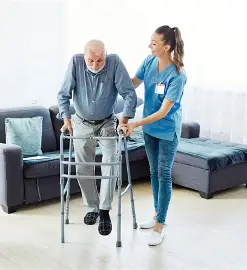
One of the most important habits for maintaining mobility is simply moving regularly.
Exercise doesn't mean spending hours at a gym. Seniors can incorporate movement into their daily routines through:
- Walking
- Gardening
- Swimming or water exercise
- Dancing
- Gentle yoga
- Chair exercises
- Stretching
- Light household activities
Even short periods of movement throughout the day can be a practical way to avoid spending too much time sitting.
Try this: Take a short walk after breakfast or dinner, or stand up and move around the house for a few minutes every hour.
2. Build and Maintain Muscle Strength

Muscle strength naturally changes with age, making strength-building activities an important part of senior fitness and mobility.
Strong legs and core muscles can make everyday activities easier, including getting out of a chair, walking around the house, climbing stairs, and getting in and out of bed.
Depending on an individual's abilities, strength exercises may include:
- Sit-to-stand exercises
- Light resistance-band exercises
- Leg lifts
- Wall push-ups
- Light hand weights
Seniors who are new to exercise or have medical conditions affecting mobility should talk with their healthcare provider before beginning a new exercise routine.
3. Practice Balance Exercises
A good balance can help seniors feel more confident when moving around their homes and communities.
Simple balance activities may include standing on one foot while holding a sturdy countertop, practicing controlled sit-to-stand movements, or walking heel-to-toe.
Safety comes first. Seniors should use a stable surface for support when needed and should consider working with a physical therapist or other healthcare professional for personalized balance exercises.
4. Don't Forget Stretching and Flexibility

Flexibility can help make everyday movements more comfortable and manageable.
Gentle stretching can be incorporated into a morning routine, before or after physical activity, or throughout the day.
Chair exercises can be particularly useful for seniors who have difficulty standing for long periods. They can provide an opportunity to work on movement and flexibility while seated.
5. Eat for Strong Muscles and Bones
Nutrition is another important part of healthy aging.Seniors should aim for a balanced diet that provides adequate protein, vitamins, minerals, and other nutrients. Protein-rich foods can support muscle health, while nutrients such as calcium and vitamin D are important for maintaining strong bones.
Hydration matters, too. Older adults may not always recognize thirst, so making a habit of drinking water throughout the day can help support overall health.
If preparing nutritious meals becomes difficult, having assistance with grocery shopping and meal preparation can be a valuable part of an in-home care plan.
6. Get Enough Rest and Recovery
Staying active is important, but so is giving your body time to recover.
Adequate sleep and rest can help seniors maintain the energy needed for everyday activities and exercise.
A consistent bedtime routine, comfortable sleep environment, and regular sleep schedule may help support healthy rest.
Persistent fatigue or significant changes in sleep should be discussed with a healthcare provider.
7. Keep Moving Throughout the Day
Exercise doesn't have to happen during one specific workout.
Long periods of sitting can contribute to stiffness and inactivity, so look for opportunities to incorporate movement throughout the day.
Try:
- Standing during television commercials
- Walking around the house while talking on the phone
- Folding laundry
- Watering plants
- Taking short walks
- Doing seated leg or arm movements
- Getting up regularly from a favorite chair
Small movements add up.
8. Make the Home Safer for Mobility
A safe home environment can make it easier for seniors to move confidently.
Take a walk through the home and look for potential hazards such as:
- Loose rugs
- Cluttered walkways
- Electrical cords
- Poor lighting
- Slippery bathroom surfaces
- Frequently used items stored too high or too low
Grab bars, handrails, shower chairs, and other assistive equipment may also provide additional support when appropriate.
A professional caregiver can also provide an extra set of eyes around the home and report changes in a senior's mobility or ability to safely complete daily activities.
9. Keep Up With Regular Healthcare Visits
New or worsening mobility problems shouldn't automatically be dismissed as a normal part of getting older.
Pain, weakness, dizziness, vision changes, medication side effects, and other health concerns can affect a person's ability to move safely.
Talk with a healthcare provider if a senior experiences new difficulty walking, frequent dizziness, significant weakness, changes in balance, or increased difficulty completing everyday activities.
Early conversations can help families identify whether additional support, therapy, equipment, or other services may be appropriate.
10. Stay Socially Active
Healthy mobility isn't just about physical movement. Staying socially connected can also encourage seniors to remain active and engaged.
For seniors in Flower Mound and Denton County, opportunities for social engagement may include senior centers, community events, exercise classes, church activities, shopping, restaurants, parks, hobbies, and time with friends and family.
Having something enjoyable to look forward to can provide additional motivation to get up, get dressed, and get moving.
How Home Care Can Support Senior Mobility
Sometimes a senior doesn't need to move into assisted living or another residential setting—they simply need some additional help at home.
In-home senior care can provide support while allowing older adults to remain in familiar surroundings.
BrightStar Care of Flower Mound provides both non-medical home care and skilled services for seniors, with care options that can include assistance with activities of daily living, companionship, personal care, respite care, skilled nursing, and therapy services.
Caregivers can assist with everyday activities such as:
- Walking and mobility support
- Getting in and out of chairs
- Bathing and dressing
- Meal preparation
- Light housekeeping
- Transportation and errands
- Companionship
- Medication reminders
- Maintaining a safe daily routine
BrightStar Care's personal care services specifically include assistance with activities such as moving around the home and getting in and out of chairs.
For families, having a trusted caregiver available can provide additional peace of mind while helping a loved one remain engaged in their normal routines.
Supporting Senior Independence in Flower Mound and Denton County
For families in Flower Mound, Lewisville, Highland Village, Argyle, Bartonville, and surrounding Denton County communities, maintaining mobility can be an important part of helping an aging loved one remain at home.
BrightStar Care of Flower Mound is locally operated and provides in-home care and skilled services for seniors and adults. The local team offers nurse-led care planning and ongoing clinical oversight, with services tailored to each client's individual needs.
Whether a senior needs a few hours of companionship each week, help with personal care and daily activities, respite for a family caregiver, or more comprehensive clinical support, a personalized plan can help families determine the appropriate level of assistance.
Small Habits Can Make a Big Difference
Maintaining senior mobility doesn't require a complete lifestyle overhaul.
Small, consistent habits—such as taking a daily walk, practicing balance, stretching, eating nutritious meals, drinking enough water, getting adequate rest, and keeping the home free of hazards—can help support an active and independent lifestyle.
And when additional help is needed, in-home care can provide support without requiring a senior to leave the comfort and familiarity of home.
Need Help Supporting an Aging Loved One at Home?
If your loved one is having more difficulty walking, getting around the house, preparing meals, bathing, or keeping up with everyday activities, it may be time to consider additional support.
BrightStar Care of Flower Mound is here to help. Our team can answer your questions, discuss your family's needs, and help determine what type of in-home support may be appropriate.
Call BrightStar Care of Flower Mound at 214-800-5566 to learn more or schedule an in-home care assessment. Our team is available 24/7 to help families get started.