
Recovering at home sounds reassuring—your own bed, familiar surroundings, loved ones checking in. Many families believe that as long as someone is “around,” recovery will naturally take care of itself.
But here’s the hard truth: recovering alone—even with family nearby—can be far riskier than most people realize.
Across Lafayette, families often don’t discover the gaps in support until something goes wrong: a fall, missed medications, worsening symptoms, or a return trip to the hospital. Healing at home requires more than good intentions—it requires the right kind of support.
Family members care deeply, but most aren’t trained to spot subtle warning signs during recovery. They also juggle work, children, errands, and their own health. Even the most attentive families can unintentionally miss critical moments.
Common challenges families face include:
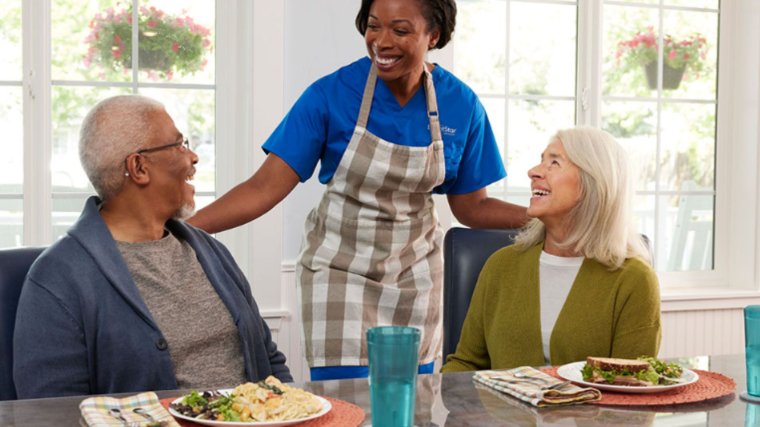
In-home care isn’t about replacing family—it’s about strengthening recovery and protecting everyone involved.
At BrightStar Care of Lafayette, professional caregivers and nurses provide:
The best recoveries happen when families aren’t forced to do everything alone. In-home care gives loved ones the freedom to be family again—without constant fear of missing something important.
Whether recovery is short-term after surgery or longer-term following illness or injury, having professional support at home can prevent complications, reduce stress, and promote faster, safer healing.
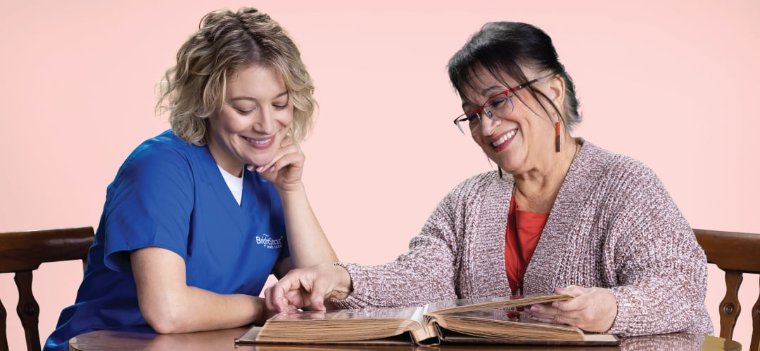
If you’re worried about a loved one recovering alone, or you’re feeling stretched trying to do it all, BrightStar Care of Lafayette is here to help.
Contact BrightStar Care of Lafayette today to schedule a free in-home consultation and learn how professional in-home care can support safe recovery, comfort, and peace of mind.
Call us at 765-237-3650 or visit our website to explore services and request more information. Our office is located at 3601 Sagamore Pkwy N suite d-2, Lafayette, IN 47904, United States.
Healing doesn’t have to happen alone, and it shouldn’t.
But here’s the hard truth: recovering alone—even with family nearby—can be far riskier than most people realize.
Across Lafayette, families often don’t discover the gaps in support until something goes wrong: a fall, missed medications, worsening symptoms, or a return trip to the hospital. Healing at home requires more than good intentions—it requires the right kind of support.
Why “Family Is Nearby” Isn’t Always Enough
Family members care deeply, but most aren’t trained to spot subtle warning signs during recovery. They also juggle work, children, errands, and their own health. Even the most attentive families can unintentionally miss critical moments.Common challenges families face include:
- Inconsistent supervision during the day or overnight
- Missed medication doses or timing errors
- Difficulty with bathing, mobility, or toileting
- Subtle changes in condition that don’t seem urgent—until they are
The Quiet Risks That Delay Healing
Falls During Everyday Moments
Most falls don’t happen during “big” activities. They happen in bathrooms, hallways, and bedrooms—often when a loved one tries to manage alone to avoid asking for help.Medication Missteps
New prescriptions, dosage changes, and side effects are common after a hospital stay. Missing doses or taking medications incorrectly can quickly undo progress.Overexertion
Many people push themselves too hard, too soon—especially when they don’t want to burden family. This can lead to setbacks, pain, or reinjury.Delayed Warning Signs
Changes in breathing, swelling, confusion, or fatigue may appear gradual. Without trained eyes, these signs are easy to dismiss.
Why Professional In-Home Care Changes Recovery Outcomes
In-home care isn’t about replacing family—it’s about strengthening recovery and protecting everyone involved.At BrightStar Care of Lafayette, professional caregivers and nurses provide:
- Consistent monitoring to catch issues early
- Safe mobility support to reduce fall risk
- Medication reminders and skilled oversight
- Personal care assistance that preserves dignity
- Clear communication with families and providers
Healing Safely at Home Is a Team Effort
The best recoveries happen when families aren’t forced to do everything alone. In-home care gives loved ones the freedom to be family again—without constant fear of missing something important.Whether recovery is short-term after surgery or longer-term following illness or injury, having professional support at home can prevent complications, reduce stress, and promote faster, safer healing.
Support Recovery the Right Way with BrightStar Care of Lafayette
If you’re worried about a loved one recovering alone, or you’re feeling stretched trying to do it all, BrightStar Care of Lafayette is here to help.Contact BrightStar Care of Lafayette today to schedule a free in-home consultation and learn how professional in-home care can support safe recovery, comfort, and peace of mind.
Call us at 765-237-3650 or visit our website to explore services and request more information. Our office is located at 3601 Sagamore Pkwy N suite d-2, Lafayette, IN 47904, United States.
Healing doesn’t have to happen alone, and it shouldn’t.