
A cancer diagnosis reorganizes a person's life around treatment. Appointments, infusion schedules, lab work, side effect management, and the simple logistics of getting to and from a treatment center week after week become a significant part of daily existence on top of everything else a person with cancer is already carrying.
For many patients, especially those who are older, managing a chronic condition alongside their cancer treatment, or simply exhausted by the cumulative toll of repeated clinic visits, the question of how to maintain some sense of normal life during treatment becomes its own quiet struggle.
In-home infusion support and skilled nursing care offer something genuinely meaningful here not a replacement for the oncology team, but a layer of support that brings parts of the treatment journey into the comfort of home, reduces the burden of travel, and provides the kind of consistent, attentive care that helps patients maintain their strength, their routines, and their quality of life throughout treatment.
For families in Milford, Framingham, and throughout the MetroWest area, this guide explains what in-home infusion and skilled nursing support can look like during cancer treatment, and how it works alongside the oncology team rather than apart from it.
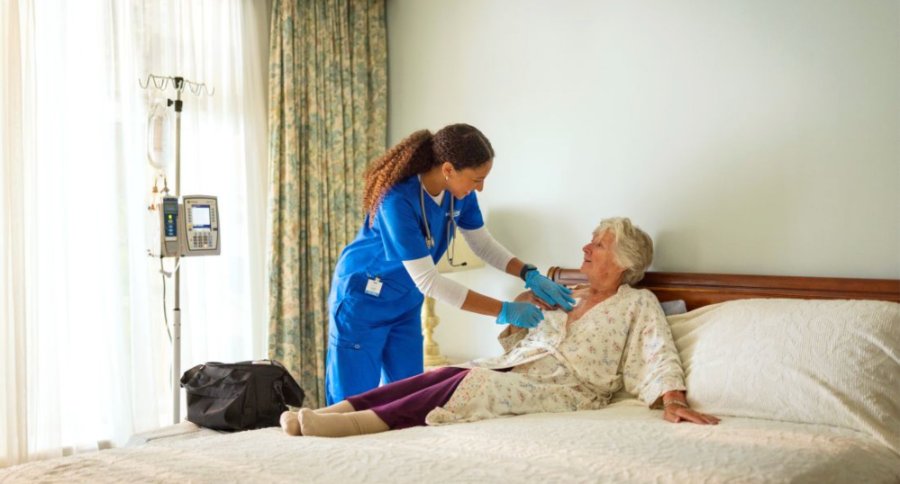
When people think about the difficulty of cancer treatment, they often think about the treatment itself, the physical side effects of chemotherapy, the fatigue, the nausea, the changes to appetite and energy. All of that is real and significant. But there is another layer of burden that receives far less attention: the sheer logistics of getting treatment.
For many patients, a treatment schedule means multiple visits per week to an infusion center, often requiring someone else to drive, hours spent in waiting rooms and treatment chairs, and the physical toll of travel itself on a body that is already depleted by treatment. For older patients, patients managing other chronic conditions, or patients who live some distance from a treatment center, this logistical burden can become almost as exhausting as the treatment itself.
Family members feel this too. Coordinating transportation, taking time off work, managing the schedules of multiple appointments, and simply being present for hours at a time in a clinical setting all of this adds up, week after week, often for months.
Some elements of cancer care can be brought into the home. When they can, the difference for both patients and families is significant.
Managing the side effects of chemotherapy nausea, pain, and other symptoms often involves a complex medication regimen. Skilled nurses can administer medications, monitor for side effects, and help patients and families manage symptoms as they arise, providing a level of clinical attention between oncology visits that helps catch and address issues before they become more serious.
Many cancer patients have a PICC line, port, or other central venous access device placed to facilitate chemotherapy administration and blood draws. These devices require regular care flushing, dressing changes, and monitoring for signs of infection or complications to remain safe and functional. Skilled nursing visits at home provide this care consistently, reducing the need for additional trips to a clinical setting for routine line maintenance and giving patients and families confidence that the device is being properly cared for.
Regular lab work is a standard part of cancer treatment monitoring. In-home skilled nursing can include blood draws and the coordination of lab work, reducing the number of separate appointments a patient needs to attend in person.
Beyond clinical infusion needs, maintaining nutrition and hydration during cancer treatment is one of the most important and most challenging aspects of care. Appetite changes, taste changes, nausea, and fatigue all make eating well genuinely difficult. Non-medical caregiving support meal preparation tailored to what a patient can tolerate, encouragement with hydration, and the simple presence of someone helping at mealtimes addresses needs that are just as important to a patient's overall strength and resilience during treatment as the clinical care itself.
The fatigue that comes with cancer treatment is often profoundly more significant than patients and families anticipate. Daily tasks that were once simple, including bathing, dressing, and light household tasks, can become genuinely difficult during active treatment. Non-medical caregivers provide personal care assistance, help with household tasks, transportation to appointments that do require an in-person visit, and the kind of steady companionship that makes a real difference when someone is going through one of the hardest experiences of their life.
Call Us Today
Our Services
In-home infusion and skilled nursing support is designed to complement the care a patient receives from their oncology team, not replace it. The relationship between a patient's oncologist and their broader treatment team remains central to their care.
What in-home support adds is continuity and presence between appointments. A skilled nurse who sees a patient regularly at home can identify changes in condition early, communicate with the oncology team about what they're observing, and provide the kind of ongoing clinical attention that helps catch complications before they become urgent.
For families, this also means having a clinical resource available for questions and concerns that arise between appointments, a meaningful source of reassurance during a period that is often filled with uncertainty.
At BrightStar Care of Milford / Framingham, our skilled nursing team works to coordinate care with each patient's existing oncology providers, ensuring that what happens at home is communicated back to the broader care team and that our care plan reflects the treatment plan the oncologist has established.
It is easy to focus on the clinical aspects of cancer treatment and lose sight of something equally important: the experience of the person going through it.
Spending less time in waiting rooms and more time at home, in familiar surroundings, with the people and routines that matter to them, is not a small thing for a patient navigating cancer treatment. It can mean the difference between a day defined entirely by illness and treatment, and a day that still has room for the things that make someone feel like themselves a favorite chair, a window with good light, a pet curled up nearby, a grandchild's visit that does not have to be scheduled around a clinic appointment.
For patients managing cancer alongside other chronic conditions which is common, particularly among older patients, in-home skilled nursing also means more consistent management of those other conditions, rather than having cancer treatment crowd out the attention that diabetes, heart disease, or other ongoing health needs require.
And for family caregivers, who are often managing their own jobs, households, and emotional load alongside supporting a loved one through cancer treatment, having professional support at home is not a luxury. It is often what makes it possible to keep showing up, day after day, for the duration of a treatment journey that can last months.
Contact your local BrightStar Care of Milford / Framingham today for a free consultation:
At BrightStar Care of Milford / Framingham, we provide both skilled nursing and non-medical home care services for patients throughout the MetroWest area, including Milford, Framingham, Hopkinton, Holliston, and surrounding communities.
For patients undergoing cancer treatment, we work to build a care plan around what each individual needs whether that is skilled nursing support for line care, hydration, and symptom management, non-medical caregiving for daily support and companionship, or a combination of both. Our team understands that this is one of the most difficult periods a family will go through, and we approach this work with the seriousness and compassion it deserves.
If your family is navigating cancer treatment and the demands of frequent clinic visits have become difficult to manage, we would welcome the opportunity to talk with you about what in-home support could look like.
Call Us Today
Our Services
BrightStar Care of Milford / Framingham provides skilled nursing and non-medical home care services for patients and families throughout Milford, Framingham, Hopkinton, Holliston, and the surrounding MetroWest area. To speak with a care coordinator about in-home support during cancer treatment, contact our office today.
For many patients, especially those who are older, managing a chronic condition alongside their cancer treatment, or simply exhausted by the cumulative toll of repeated clinic visits, the question of how to maintain some sense of normal life during treatment becomes its own quiet struggle.
In-home infusion support and skilled nursing care offer something genuinely meaningful here not a replacement for the oncology team, but a layer of support that brings parts of the treatment journey into the comfort of home, reduces the burden of travel, and provides the kind of consistent, attentive care that helps patients maintain their strength, their routines, and their quality of life throughout treatment.
For families in Milford, Framingham, and throughout the MetroWest area, this guide explains what in-home infusion and skilled nursing support can look like during cancer treatment, and how it works alongside the oncology team rather than apart from it.
The Hidden Burden of Cancer Treatment Logistics
When people think about the difficulty of cancer treatment, they often think about the treatment itself, the physical side effects of chemotherapy, the fatigue, the nausea, the changes to appetite and energy. All of that is real and significant. But there is another layer of burden that receives far less attention: the sheer logistics of getting treatment.For many patients, a treatment schedule means multiple visits per week to an infusion center, often requiring someone else to drive, hours spent in waiting rooms and treatment chairs, and the physical toll of travel itself on a body that is already depleted by treatment. For older patients, patients managing other chronic conditions, or patients who live some distance from a treatment center, this logistical burden can become almost as exhausting as the treatment itself.
Family members feel this too. Coordinating transportation, taking time off work, managing the schedules of multiple appointments, and simply being present for hours at a time in a clinical setting all of this adds up, week after week, often for months.
Some elements of cancer care can be brought into the home. When they can, the difference for both patients and families is significant.
What In-Home Infusion and Skilled Nursing Support Can Include
IV Hydration and Supportive Infusions
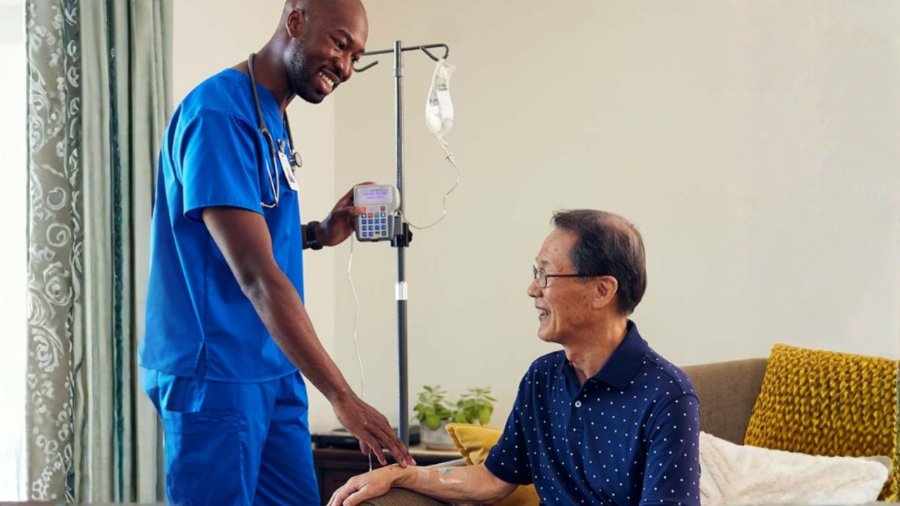
Patients undergoing chemotherapy often experience dehydration, both from the treatment itself and from side effects like nausea and reduced appetite. IV hydration therapy at home can help manage these side effects, supporting the patient's energy and overall wellbeing between or around treatment cycles, without requiring a trip to a clinical setting.
Medication Administration and Symptom Management
Managing the side effects of chemotherapy nausea, pain, and other symptoms often involves a complex medication regimen. Skilled nurses can administer medications, monitor for side effects, and help patients and families manage symptoms as they arise, providing a level of clinical attention between oncology visits that helps catch and address issues before they become more serious.
PICC Line, Port, and Central Line Care
Many cancer patients have a PICC line, port, or other central venous access device placed to facilitate chemotherapy administration and blood draws. These devices require regular care flushing, dressing changes, and monitoring for signs of infection or complications to remain safe and functional. Skilled nursing visits at home provide this care consistently, reducing the need for additional trips to a clinical setting for routine line maintenance and giving patients and families confidence that the device is being properly cared for.
Lab Draws and Monitoring
Regular lab work is a standard part of cancer treatment monitoring. In-home skilled nursing can include blood draws and the coordination of lab work, reducing the number of separate appointments a patient needs to attend in person.
Nutritional and Hydration Support Beyond Infusions
Beyond clinical infusion needs, maintaining nutrition and hydration during cancer treatment is one of the most important and most challenging aspects of care. Appetite changes, taste changes, nausea, and fatigue all make eating well genuinely difficult. Non-medical caregiving support meal preparation tailored to what a patient can tolerate, encouragement with hydration, and the simple presence of someone helping at mealtimes addresses needs that are just as important to a patient's overall strength and resilience during treatment as the clinical care itself.
Personal Care and Daily Support
The fatigue that comes with cancer treatment is often profoundly more significant than patients and families anticipate. Daily tasks that were once simple, including bathing, dressing, and light household tasks, can become genuinely difficult during active treatment. Non-medical caregivers provide personal care assistance, help with household tasks, transportation to appointments that do require an in-person visit, and the kind of steady companionship that makes a real difference when someone is going through one of the hardest experiences of their life.Call Us Today
Our Services
Working Alongside the Oncology Team
In-home infusion and skilled nursing support is designed to complement the care a patient receives from their oncology team, not replace it. The relationship between a patient's oncologist and their broader treatment team remains central to their care.What in-home support adds is continuity and presence between appointments. A skilled nurse who sees a patient regularly at home can identify changes in condition early, communicate with the oncology team about what they're observing, and provide the kind of ongoing clinical attention that helps catch complications before they become urgent.
For families, this also means having a clinical resource available for questions and concerns that arise between appointments, a meaningful source of reassurance during a period that is often filled with uncertainty.
At BrightStar Care of Milford / Framingham, our skilled nursing team works to coordinate care with each patient's existing oncology providers, ensuring that what happens at home is communicated back to the broader care team and that our care plan reflects the treatment plan the oncologist has established.
The Quality of Life Difference
It is easy to focus on the clinical aspects of cancer treatment and lose sight of something equally important: the experience of the person going through it.Spending less time in waiting rooms and more time at home, in familiar surroundings, with the people and routines that matter to them, is not a small thing for a patient navigating cancer treatment. It can mean the difference between a day defined entirely by illness and treatment, and a day that still has room for the things that make someone feel like themselves a favorite chair, a window with good light, a pet curled up nearby, a grandchild's visit that does not have to be scheduled around a clinic appointment.
For patients managing cancer alongside other chronic conditions which is common, particularly among older patients, in-home skilled nursing also means more consistent management of those other conditions, rather than having cancer treatment crowd out the attention that diabetes, heart disease, or other ongoing health needs require.
And for family caregivers, who are often managing their own jobs, households, and emotional load alongside supporting a loved one through cancer treatment, having professional support at home is not a luxury. It is often what makes it possible to keep showing up, day after day, for the duration of a treatment journey that can last months.
Contact your local BrightStar Care of Milford / Framingham today for a free consultation:
- Phone: 508-282-5020
- Address: 115 Water St #200, Milford, MA 01757
- Visit Us Online: BrightStar Care of Milford / Framingham
A Note for Families in the Milford and Framingham Area
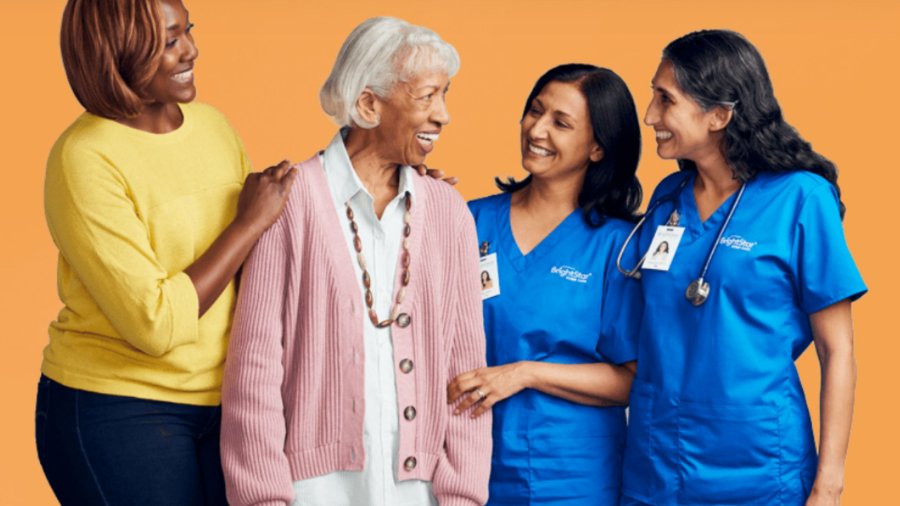
At BrightStar Care of Milford / Framingham, we provide both skilled nursing and non-medical home care services for patients throughout the MetroWest area, including Milford, Framingham, Hopkinton, Holliston, and surrounding communities.For patients undergoing cancer treatment, we work to build a care plan around what each individual needs whether that is skilled nursing support for line care, hydration, and symptom management, non-medical caregiving for daily support and companionship, or a combination of both. Our team understands that this is one of the most difficult periods a family will go through, and we approach this work with the seriousness and compassion it deserves.
If your family is navigating cancer treatment and the demands of frequent clinic visits have become difficult to manage, we would welcome the opportunity to talk with you about what in-home support could look like.
Frequently Asked Questions
Q: Can chemotherapy itself be administered at home?
Chemotherapy administration protocols vary significantly depending on the specific medications and treatment plan, and decisions about where chemotherapy is administered are made by the oncology team based on the treatment regimen and the patient's individual situation. In-home skilled nursing can support related needs around chemotherapy treatment, including hydration, symptom management, line care for PICC lines and ports, and monitoring between treatment visits. Patients and families should discuss with their oncologist what aspects of their treatment plan may be appropriate for in-home support.Q: How does in-home skilled nursing help patients undergoing cancer treatment?
In-home skilled nursing can provide IV hydration, medication administration and symptom management, care for PICC lines, ports, and other central venous access devices, and coordination of lab work, all in the comfort of home. This reduces the number of trips a patient needs to make to a clinical setting and provides ongoing clinical attention between oncology appointments, helping catch and address issues early. This care is designed to complement, not replace, the patient's relationship with their oncology team.Q: What non-medical support is available for cancer patients at home?
Non-medical home care for cancer patients typically includes personal care assistance for the profound fatigue that often accompanies treatment, meal preparation tailored to a patient's changing appetite and tolerance, help with hydration, transportation to appointments, light housekeeping, and companionship. These services address the daily quality of life challenges that accompany cancer treatment and can be provided alongside skilled nursing support for a coordinated approach to care.Call Us Today
Our Services
BrightStar Care of Milford / Framingham provides skilled nursing and non-medical home care services for patients and families throughout Milford, Framingham, Hopkinton, Holliston, and the surrounding MetroWest area. To speak with a care coordinator about in-home support during cancer treatment, contact our office today.