
Honoring Their Service: Dignified In‑Home Care for Veterans
For many veterans, home is more than a place to live. It is where their stories, routines, and hard‑won independence are woven into everyday life. When health changes make daily tasks harder, leaving home can feel like losing a part of that identity, which is why veteran in‑home care in Bel Air can be such a meaningful option.
Respectful in‑home care offers another path. Instead of asking a veteran to fit into an unfamiliar setting, support comes to them, on their terms, in the place they know best.
Why Respect Matters So Much in Veteran Care
Veterans are used to structure, responsibility, and being the one others rely on. When they begin to need help, it can stir up complex emotions, from frustration to grief over lost abilities.
Care that is rushed, dismissive, or overly controlling can make a veteran feel like “a case” instead of a person. Respectful care does the opposite. It slows down, listens, and treats every interaction as a chance to honor the life that has already been lived.
In‑Home Care That Supports Independence
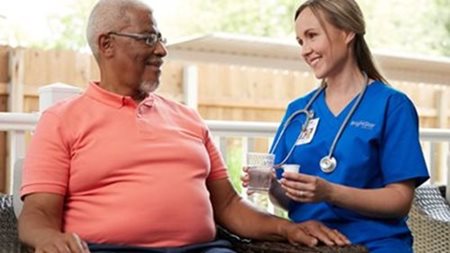
In‑home care allows veterans to stay where they feel most grounded while still getting help with day‑to‑day needs. Support can be tailored to each person’s strengths, challenges, and comfort level rather than following a one‑size‑fits‑all routine.
Depending on a veteran’s situation and benefits, caregivers may help with:
- Personal care such as bathing, grooming, or dressing, offered in a way that protects privacy
- Meal preparation that respects cultural preferences, dietary needs, and long‑standing habits
- Light housekeeping so the home remains safe and manageable without feeling taken over
The goal is not to do everything for a veteran but to support them in doing as much as they safely can, for as long as possible.
Honoring Routines and Personal Preferences
Many veterans find comfort in familiar routines, such as the way their morning starts, how they organize their space, or what time they prefer to eat or rest. When a caregiver honors those patterns, it sends a powerful message: “Your way of doing things still matters.”
Respectful caregivers take time to learn:
- How a veteran likes tasks to be done, step by step
- What helps them feel calm or in control during personal care
- Which topics, sounds, or situations may be sensitive due to past experiences or trauma
This attention to detail helps reduce stress and builds trust, especially for veterans who may be hesitant to accept help at first.
A Steady, Familiar Presence for Veterans and Families
Many families of veterans balance jobs, kids, and their own health needs while trying to be there as much as possible. Even with deep love and commitment, it can be hard to provide all the support a veteran needs, every day, without burning out.
Professional caregivers can walk alongside veterans and their families by:
- Offering consistent, scheduled support so veterans know who is coming and when
- Providing companionship and conversation that respects military experiences without prying
- Watching for changes in mood, mobility, or health that may need clinical follow‑up
This steady presence can bring peace of mind to families who live nearby or at a distance, knowing someone is checking in and treating their loved one with dignity.
Veteran‑Centered Care and Benefits
Some veterans and surviving spouses may qualify for VA programs or benefits that help pay for in‑home care, such as Aid and Attendance or caregiver support services. Navigating these options can feel overwhelming, especially while managing day‑to‑day caregiving.
Local home care teams that regularly serve veterans can often:
- Share general information about common VA benefits that support in‑home care
- Coordinate schedules and documentation around a veteran’s existing care plan
- Work alongside families and VA providers to support safety and independence at home
While only the VA can determine eligibility, having an experienced in‑home care partner can make it easier to align support with the benefits a veteran receives.
Veteran‑Focused Care: Quick FAQ
“What kinds of veterans can receive in‑home care?”
In‑home care can support veterans from many eras and branches of service, whether they are living with physical injuries, chronic health conditions, memory changes, or simply the effects of aging. Care plans can be adjusted over time as needs change.
“Does in‑home care replace family caregiving?”
In‑home care is designed to support, not replace, family involvement. Caregivers can step in for tasks that are physically or emotionally difficult for family members, allowing families to focus more on connection and less on constant caretaking.
“Can caregivers help with PTSD or emotional challenges?”
Professional caregivers do not provide therapy, but they can support emotional well‑being by offering calm, predictable routines, respectful communication, and coordination with mental health providers when needed. Many caregivers also receive training in de‑escalation and trauma‑informed approaches.
“How do we know if in‑home care is right for our veteran loved one?”
If a veteran is starting to struggle with daily tasks, safety at home, or loneliness, but wants to remain at home, veteran in‑home care in Bel Air may be a good fit. A care consultation can help families understand options and match support to current needs and goals.
How BrightStar Care Honors Veterans at Home
BrightStar Care of Bel Air is committed to serving veterans with the same respect, reliability, and integrity they brought to their years of service. Caregivers are trained to provide support that protects dignity, honors personal history, and works in partnership with families and VA providers whenever possible.
If you are caring for a veteran and wondering whether home care for veterans could make life safer and more sustainable for your family, call BrightStar Care of Bel Air at (443) 601‑9200 or visit brightstarcare.com/locations/bel‑air to connect with the local team. During your call, a team member will listen to your veteran’s story, learn about their needs and preferences, and help you explore care options that reflect the respect they deserve.