
At BrightStar Care of Carlsbad, we see every day how collaboration between families and professional caregiving agencies leads to better experiences at home. Serving Carlsbad, Oceanside, Vista, Fallbrook, and nearby North County communities, our award-winning home care team believes the most successful in-home care plans are built with families—not just for them.
When your loved one begins to need extra help at home, families can experience a swirl of emotions—concern, relief, uncertainty, and hope. You may be stepping in after a fall, a hospitalization, a new diagnosis, or simply noticing that everyday tasks are getting harder. And while the decision to bring in home care can feel big, it doesn’t have to feel overwhelming.
One of the most reliable ways to reduce stress and improve outcomes is to involve family members in the planning process from the beginning. Good caregiving works best when everyone—your loved one, your family, and the professional caregiving agency —understands the plan and feels respected in it.
Below you’ll find practical, field-tested strategies to help your family coordinate caregiving, communicate well, and build a plan that supports safety, dignity, and quality of life. We’ll also share how a professional home care partner can support your family and help your loved one thrive at home.
Why Family Involvement Improves Home Care Outcomes
Home is more than a location—it’s where routines, preferences, memories, and identity live. When families participate in home care planning, care becomes more personal and more consistent. It’s easier to prevent problems, address concerns early, and adjust support as needs change.
Family involvement supports better caregiving in several ways:
- Clarifies goals (what matters most to your loved one)
- Creates consistency in routines
- Reduces confusion about responsibilities
- Helps professional caregivers understand the person behind the needs.
- It also reduces stress for spouses and adult children who may otherwise feel like they’re carrying everything alone.
Local families often describe the difference the right partnership makes. One family shared: “Hiring BrightStar Care was the best decision our family ever made. Dan, Susie, Kathy and the office team spent a lot of time really getting to know mom and putting together the most amazing care team - a dream team!” Another noted: “The first meeting with BrightsStar was an in-depth meeting with my dad, our family, and a thorough assessment of Dads needs. Keeping Dad safe is everyone’s priority, and this has relieved a huge burden from our whole family!” Those comments reflect what we see across North County: when families and caregivers work together, in-home care becomes a trusted rhythm—not a disruption.
When to Involve Family Members in In-Home Care Planning
The best time to involve family is earlier than you think. Ideally, family involvement starts at the first phone call or consultation—before routines are disrupted or crises occur. If your loved one is returning home from the hospital or skilled nursing, early planning becomes even more important because transitions are a high-risk time for falls, medication errors, and confusion.
Continue involvement after care begins. In-home care plans should be living documents: as your loved one’s health, mobility, cognition, or preferences change, the plan should change too. Regular touchpoints—weekly at first, then monthly or quarterly once stable—help you stay proactive instead of reactive.
If family members live out of town, involvement is still possible and powerful. A structured communication plan (who gets updates, how often, and what triggers an urgent call) keeps everyone aligned and reduces stress for long-distance caregivers. A BrightStar client noted, “I live 1,500 miles away and so was very worried about who would care for my dad, and Brightstar gives me as much peace of mind as can be had in our situation.”
Strategy 1: Hold a Family Care Planning Meeting
A structured family care planning meeting sets the foundation for successful home care. When everyone hears the same information at the same time, it reduces misunderstandings and prevents “telephone game” confusion. If your loved one can participate, include them in a way that protects independence and dignity.
A simple agenda you can use
- What matters most to your loved one (comfort, independence, safety, social connection)
- Daily routine: wake time, meals, activities, preferred pacing
- Safety: fall risks, medication organization, mobility support, pets, stairs, bathroom setup
- Health overview: diagnoses, current symptoms, therapy recommendations, upcoming appointments
- Care tasks: personal care, meal prep, mobility, reminders, companionship, light housekeeping
- Family roles: who handles scheduling, transportation, finances, medical coordination
- Communication: how updates will be shared and when to escalate concerns
- What a “good day” looks like—and what warning signs to watch for
Strategy 2: Define Clear Roles and Responsibilities
Caregiving becomes stressful when roles aren’t clear. Even close families can experience tension when expectations are unspoken. Defining responsibilities helps prevent burnout and keeps your loved one’s care consistent.
Tip: designate one primary family contact person to coordinate communication. This doesn’t mean others aren’t involved; it simply ensures the care team have a clear point of contact for questions and updates.
Start by separating roles into categories
- Medical coordination: appointments, medication updates, therapy notes
- Scheduling: caregiver schedule, family visits, transportation planning
- Household logistics: groceries, mail, home maintenance, pet needs
- Financial/admin: bills, insurance paperwork, long-term care policy coordination
- Emotional support: companionship, meaningful connection, social engagement
Professional caregivers can provide hands-on support for daily living and safety, while family members remain the advocates and decision-makers. In many families, home care works best when relatives shift from “doing everything” to “directing and supporting,” so they can protect their own health and show up more consistently.
Strategy 3: Share Personal History and Preferences
Professional caregiving is most effective when it’s personal. Your loved one isn’t a checklist. Families hold the context that helps caregivers deliver care in a way that feels respectful, familiar, and motivating.
What to share with your caregiver
- Preferred name and communication style (direct, gentle, quiet mornings)
- Past occupation and proud life stories (what gives your loved one a sense of identity)
- Hobbies and interests (sports, gardening, music, faith community)
- Food preferences and routines (meal timing, dislikes, cultural favorites)
- Comfort cues and stress triggers (noise, clutter, too many choices)
- What helps with cooperation (humor, clear steps, offering two options)
These details are especially important during transitions, when your loved one may feel vulnerable or frustrated. When caregiving respects identity and routines, it often reduces resistance and improves cooperation.
Strategy 4: Create a Consistent Communication Plan With Your Home Care Agency
Clear communication is one of the strongest predictors of a successful in-home care experience. Families deserve to feel informed, and caregivers need timely information to provide safe, responsive care.
Choose the communication tools that fit your family
- In-home care log or shift notes
- Scheduled weekly check-ins (phone or video)
- Text updates for key items (when appropriate)
- Monthly care conferences for bigger picture planning
Agree on what requires an immediate call
Falls or near-falls, medication changes, new confusion, significant mood changes, fever, poor intake, new pain, or sudden changes in mobility should be communicated quickly.
Families often describe the relief that comes from dependable communication and compassionate support. One review shared: “BrightStar contacted us on a regular basis asking how things are going and to see if we there is anything we need. Their support and understanding as our family makes this journey is invaluable and so greatly appreciated.”
Strategy 5: Encourage Ongoing Feedback and Care Adjustments
Home care planning isn’t one-and-done. Needs evolve—sometimes gradually, sometimes overnight. The most effective caregiving partnerships build in feedback loops so care can be adjusted quickly and appropriately.
How to give feedback that improves caregiving
- Be specific: describe the situation and what you’d like to see
- Keep it timely: share feedback early before frustration builds
- Focus on outcomes: safety, comfort, dignity, independence
- Document important changes: medication updates, new restrictions, new goals
Professional caregivers generally welcome feedback because it helps them deliver better care and build trust with the family. When feedback is shared respectfully, it strengthens partnership.
.jpeg "DaughterwithElderMom-(1).jpeg")
Strategy 6: Support Emotional and Social Needs—Not Just Tasks
Families often focus on tasks—meals, bathing, medications, mobility. But emotional well-being matters just as much. Loneliness and isolation can impact sleep, appetite, cognition, and overall health. Great in-home care supports the whole person.
Ways to support connection at home
- Build companionship into the routine: conversation, games, walks (as appropriate)
- Maintain meaningful rituals: morning coffee, favorite music, faith practices
- Encourage gentle activity: stretching, light household tasks, short outings when safe
- Celebrate milestones: birthdays, anniversaries, small progress wins
Consistency builds comfort. As another family shared: “Lizette… very attentive… so helpful… Peter has grown quite fond of her… He asks for her.” When caregiving includes connection, your loved one often feels safer and more motivated.
Strategy 7: Prepare for Sensitive Conversations Early
Some conversations are difficult—but delaying them can create crisis decisions later. Talking early about safety, independence, and future support helps families make choices calmly instead of under pressure.
Topics to address before they become urgent
- Driving safety
- Medication organization and reminders
- Fall prevention and home modifications
- Emergency contacts and contingency planning
- Financial planning and legal documents (POA, advance directives)
- What changes would trigger more care hours or different services
A professional home care team can help guide these conversations with compassion and clarity, offering practical recommendations and helping families align around shared goals.
Strategy 8: Leverage Professional Home Care Expertise
Families shouldn’t have to navigate caregiving alone. Experienced caregivers and clinical leaders can help assess safety risks, monitor changes, and coordinate care. Professional home care strengthens family support rather than replacing it.
What professional in-home care can add
- Trained observation: noticing subtle changes early
- Consistency: dependable routines that reduce stress
- Safety support: mobility assistance, fall prevention, medication reminders
- Confidence: families can step back without stepping away
- Respite: preventing burnout and protecting family health
This is particularly valuable when your loved one has complex needs such as memory loss, Parkinson’s, post-hospital recovery, chronic disease management, or limited mobility.
Common Caregiving Challenges—and Practical Solutions
Sibling disagreements and decision fatigue
When family members disagree, return to shared priorities: safety, dignity, and quality of life. Assign clear roles, document decisions, and schedule recurring check-ins. If needed, let a professional care team provide recommendations that can help families move forward.
Long-distance caregiving
Long-distance families thrive with structure. Use scheduled updates, shared notes, and clear rules for escalation. A single primary point person can gather input from others and communicate with the caregiver consistently.
Burnout and overwhelm
Burnout is common and preventable. If one person is carrying the load, it’s time to adjust the plan. Home care can provide respite and stability. One family summed it up simply: “The team works so beautifully to provide support and ease the load on family.”
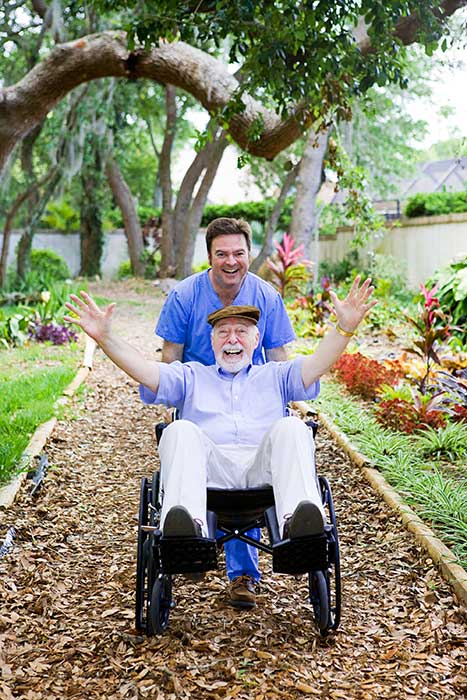
Your loved one resists help
Resistance is not unusual. It’s important that their concerns are heard and respected. Emphasize the benefits to them, and reduced burden on family caregivers. Don’t rush them. Take it a step at a time without demanding a decision before they’re ready. Ask them to just “hear us out” or “just meet with the home care people, so they can make an informed decision.” And, it might be a good idea to start their care slowly. Maybe start with 1-2 visits per week and increase care over time as they gain a comfort level.
A word of encouragement… I see this over and over: Even those who are most adamantly against getting outside help, if you can just get them to try having a caregiver, will end-up saying something like “This is great! How did I ever live without this!?” This happens about 99% of the time.
How BrightStar Care of Carlsbad Helps Families Plan Home Care
BrightStar Care of Carlsbad supports families with a team-based approach that blends compassion, training, and clinical oversight. We help you define goals, create a plan that fits real life, and adjust care as needs change—without losing what makes home feel like home. We can also help you allay fears, misconceptions and resistance.
Our award-winning caregivers can support a wide range of needs, from companionship and personal care to more complex situations (as appropriate to your services). We also understand North County logistics and family schedules—whether your loved one lives in Carlsbad, Oceanside, Vista, Fallbrook, or nearby communities.
In-Home Care in North County: Carlsbad, Oceanside, Vista, and Fallbrook
Local home care matters. A local caregiving team can respond quickly, provide more consistent staffing, and understand the community resources that help your loved one remain safe at home. Families across Carlsbad, Oceanside, Vista, and Fallbrook often tell us that having a dependable, professional partner reduces stress and improves confidence.
If your family is balancing work, children, and caregiving responsibilities, local in-home care can bring stability to the week—helping your loved one maintain routines while giving family members breathing room.
Next Steps: Build a Home Care Plan That Works for Your Loved One
Involving family members in home care planning isn’t just helpful—it’s essential. When families and professional caregivers work together, in-home care becomes more personal, more consistent, and more effective.
If you’re exploring home care in North County San Diego, BrightStar Care of Carlsbad is here to help. We are California’s highest rated home care agency. Our award-winning caregivers and leadership team will partner with your family to create a plan that supports safety, dignity, and quality of life for your loved one—at home, where they’re most comfortable.
Frequently Asked Questions
Why should family members be involved in home care planning?
Family involvement helps align in-home care with your loved one’s routines, preferences, and goals. It improves communication, reduces stress, and supports stronger caregiving outcomes over time.
What information should families share with a caregiver?
Share routines, preferences, mobility needs, fall risks, communication preferences, food preferences, and anything that affects comfort or safety at home—plus what motivates and reassures your loved one.
How can siblings avoid conflict when planning home care?
Focus on shared goals, assign clear roles (medical, scheduling, finances), designate one primary point of contact, and schedule regular check-ins to revisit the plan.
How often should we update an in-home care plan?
Review the plan at least monthly at first, then quarterly once stable, and immediately after any change in health, medications, mobility, cognition, or routines.
What if my loved one resists having a caregiver at home?
Nobody likes having things done “to” them, but it feels good to have things done “FOR” them. Hear their concerns and make them part of the decision process. Start gradually, emphasize independence and safety, and choose caregiving support that fits your loved one’s personality. Trust often builds through consistency and respectful routines.
Can home care support families who live out of town?
Yes. A structured communication plan—scheduled updates, care notes, and check-ins—helps keep long-distance family members informed and reassured while your loved one receives in-home care.

About The Author:
Dan Sweiger is Co-owner and President of BrightStar Care of Carlsbad. He has a bachelor’s degree in communications, MBA, and 20+ years leading marketing and brand management in Fortune 500 companies. His passion is focusing the organization on a higher purpose to deliver something much more meaningful than just the products & services they sell. He supports the healthcare community through participating in The National Aging In Place Council (https://ageinplace.org/), serving on the board of directors for the San Diego Dementia Consortium (https://sddementia.org/) and board of trustees for the Tri-City Hospital Foundation (https://www.tricityhospitalfoundation.org/), partnering with the Alzheimer's Association of San Diego (https://www.alz.org/), Parkinson’s Association of San Diego (https://parkinsonsassociation.org/), and ALS Association (https://www.als.org/), leading educational workshops at the Carlsbad Senior Center (https://www.carlsbadca.gov/), and more.
About BrightStar Care of Carlsbad, CA:
BrightStar Care of Carlsbad is the #1 rated home care agency in California, by Home Care Pulse. They offer a wide range of in-home support services, including companion care, personal care and skilled nursing. They also specialize in care for people with Parkinson’s and dementia. Because BrightStar caregivers are trained and supported by a RN Nursing Director who watches over our clients and staff – something extremely rare for home care companies -- they can provide early detection and intervention when medical issues arise. In fact, BrightStar clients are 25% less likely to be hospitalized compared to clients of other home care companies.