
NEW STUDY CONFIRMS: U.S. ISN'T READY FOR AGING POPULATION
America is on the verge of a demographic transformation that’s also a test of our preparedness. A growing body of research—most recently from Northeastern University—suggests that while the U.S. isn’t currently overwhelmed by aging-related challenges, it is not adequately equipped to support its aging citizens in the years ahead.
WHAT THE NORTHEASTERN STUDY FOUND
A team led by Civil and Environmental Engineering Associate Professor Ryan Wang used a blend of GPS-based mobility data, U.S. Census demographics, and environmental factors from the EPA to evaluate access to vital services—like grocery stores, healthcare providers, and housing support—for older adults nationwide. Communities were classified as “high-aging” (50% or more residents age 65+) or “low-aging” (less than 20%) and analyzed based on whether essential services fell within a five-mile radius and were frequently visited Northeastern Global News.
At a national level, the researchers didn’t find stark disparities—high-aging areas typically had comparable or even better access to housing and aging-specific care than low-aging regions. Yet, the story changes when zooming into certain states or localities. In places like Florida, for example, there are stronger policies and infrastructure tailored to older adults. In contrast, states like Arizona and California show wide variability—some areas fare well, while others fall behind.
Grocery access proved relatively limited in many high-aging communities. While care services like nursing and home health were more available there, they still lagged broadly as compared to general essentials. Alarmingly, up to 70% of high-aging communities in Arizona were categorized as service-deficient.
Wang underscores that this disparity isn’t a crisis—yet. Immigration of younger populations has, so far, helped stabilize the current demographic balance. But without a significant policy pivot and urban planning adjustments—like embracing compact, walkable “15-minute city” designs that allow essential services within short travel distances—we’re setting ourselves up for failure as the population continues to age.
WHY THIS MATTERS—AND WHAT IT MEANS FOR THE FUTURE
As baby boomers age, more Americans will rely on steady access to groceries, care, and mobility. And, the older adult population in San Diego County is rapidly growing, becoming more diverse, and becoming a larger part of the community.
The Northeastern findings suggest:
- Access varies widely by region and type of service—some aging communities are already underserved.
- Physical proximity to services isn’t enough without supportive infrastructure and thoughtful urban planning.
- Policy interventions—at local, state, and federal levels—are critical to ensure equitable, widespread service availability.
Without such efforts, disparities will only deepen—particularly in areas lacking planning to support older residents.
FIVE KEY STEPS AGING SAN DIEGANS CAN TAKE NOW
Those of us in Coastal North County (including Carlsbad, Oceanside, Vista, Bonsall and Fallbrook) have access to many great support resources. Here are 5 steps you can take to better prepare for your health and wellness as you age, with examples of local support resources available in our area:
1. Advance-Plan Your Mobility Options
Why it matters: Reliable transportation ensures you can get to medical appointments, groceries, and stay socially connected—even if driving becomes challenging.
Local Options:
Free rides for adults 60+ who meet income and location criteria, offering up to 100 miles of rides per month.
Affordable curb-to-curb transit services for seniors and people with disabilities across all of San Diego County, fares range from $5–$20.
One-call service for grocery delivery, ride-hailing, prescriptions, and even virtual social events—no smartphone needed.
2. Strengthen Your Community Connections
Why it matters: Research shows that isolation can be just as harmful to health as chronic disease. Staying socially connected builds resilience, supports mental health, and often opens doors to practical help—like rides, meals, and wellness checks. We have many wonderful options for social connection and support in North County, including…
Local Options:
Provides personalized services and information that help seniors remain independent and live with dignity in their own homes, including care coordination, housing services, roommate matching, family caregiver support, transportation, information, referrals and a comprehensive “Community Resource Guide.”
Operates wellness centers in San Diego where older adults can join group meals, exercise classes, workshops, and social activities.
Provides lifelong learning, volunteering, and fitness opportunities designed to keep older adults mentally sharp and socially engaged.
- BrightStar Care – Home care agency that sends caregivers to assist you at home, including taking you out to activities. BrightStar Care of Carlsbad provides care giver services for people living in Carlsbad, Oceanside, Vista, Bonsall, Fallbrook and Camp Pendleton. Additionally, there are BrightStar offices all over SoCal, the rest of California, and 40 other states. Click here to find the BrightStar location closest to you.
Action Steps: If you don’t already have a strong local circle, consider joining one of these programs. Attending just one class, meal, or activity each week can help you build connections that make aging healthier—and happier.
3. Stay Connected to Nearby Services
Why it matters: Proximity to groceries, clinics, pharmacies, or nutrition programs can make a big difference in maintaining independence and wellness.
Local Options:
A long-standing nonprofit delivering nutritious meals—and friendly, human check-ins—to homebound seniors and disabled veterans. Their volunteers deliver meals and offer vital social connection to empower independence
Monthly supplemental USDA food packages distributed at over 70 local sites for income-eligible seniors 60+.
Provides healthy groceries—via mobile pantries that come to senior-dense neighborhoods—without paperwork or income requirements.
Delivers hot meals during the week and frozen meals for weekends to homebound adults 60+; referral-based but voluntary donation-based.
Delivers nutritious breakfast and lunch Monday–Friday, with extra meals for the weekend, along with wellness checks via trained drivers.
4. Foster Physical, Mental, and Social Resilience
Why it matters: Staying active, socially connected, and cognitively engaged supports overall health and buffers against mobility or isolation challenges.
Local Options:
Explore your local senior center for a wealth of fitness classes, social programs, and educational workshops to strengthen your mind, body and social connections. Here are some of the best options in North County:
Offers a vibrant range of fitness classes (like chair Pilates, yoga, dance), arts, social gatherings, and a weekday lunch program for residents 60 and over—plus intergenerational events to bridge generations.
Hosts activities such as table tennis, walking clubs, dance classes like beginner tai chi and line dancing, plus a fitness center that encourages physical activity and social opportunities.
Offers exercise classes, culture and travel programs, nutrition—plus congregate lunch, home-delivered meals, and transportation services.
A non-profit committed to providing services that help seniors maintain physical and mental wellbeing, live independently as long as possible, and age with dignity. They provide transportation, grocery delivery, referrals and support advocacy for a broad range of senior needs, community education, and an Adult Day Care Center for adults with disabilities.
5. Stay Informed & Advocate for Age-Friendly Infrastructure
Why it matters: Ensuring long-term improvements—like walkable neighborhoods, accessible services, and age-friendly policy—is a community effort supported by informed individuals. San Diego is one of the more progressive and forward-thinking communities in regards to planning for senior-friendly communities. Here are a couple of the initiatives you can learn from, and get involved with:
San Diego Tools and Initiatives:
Live Well San Diego is a vision for a region that is Building Better Health, Living Safely, and Thriving.
The County’s Aging & Independence Services leads several regional initiatives, working closely with community partners, professionals and volunteers that include families and caregivers. Their “Aging Roadmap” is San Diego’s County’s regional vision and framework for supporting healthy aging for people of all ages.
- San Diego Complete Streets Toolkit for Older Adults (within the same Live Well San Diego page)
Provides urban-planning guidelines for designing streets that are safe and accessible for pedestrians, cyclists, transit users, and all ages.
IN SUMMARY
The Northeastern University study makes it clear: while U.S. aging challenges haven’t yet culminated in broad-scale crises, there are growing disparities—particularly in grocery and healthcare access—that threaten the well-being of older Americans in specific regions. Infrastructure, zoning, and urban design choices of today will determine how older adults fare tomorrow.
But individuals need not feel powerless. By proactively organizing mobility, accessing community support, prioritizing health, and advocating for better infrastructure, older Americans can significantly enhance their resilience and independence—even in areas where systems haven’t caught up yet. Let’s use these strategies—not just as stopgaps—but as foundational principles for building age-friendly communities.
ABOUT THE AUTHOR:
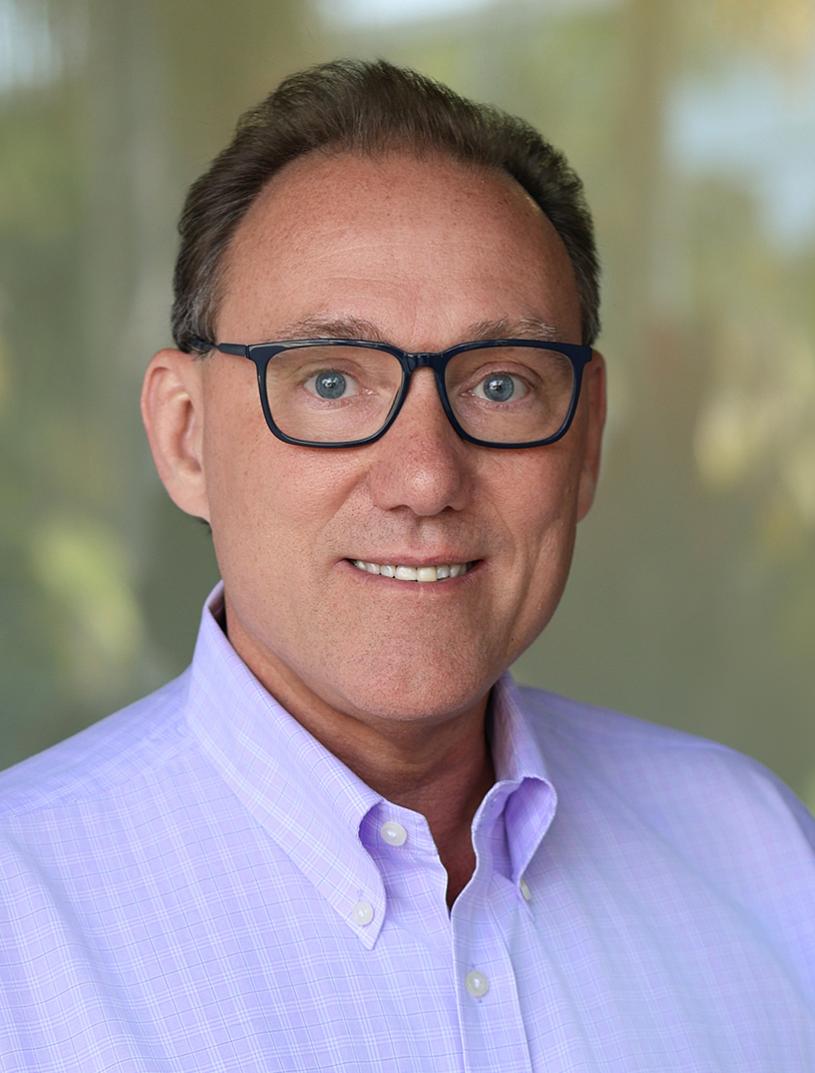
Dan Sweiger is an accomplished executive, public speaker, community educator and industry leader who co-owns and operates BrightStar Care of Carlsbad, California’s top rated home care agency, along with his wife, Susie. Mr. Sweiger is a healthcare industry leader who serves on the Board of Trustees for the Tri-City Hospital Foundation and the Board of Directors of the San Diego Dementia Consortium.
He also supports the North County San Diego healthcare community through a wide range of industry groups, including... Alzheimer's Association of San Diego, Parkinson’s Association of San Diego, North County Parkinson’s Support Groups, SD County Council on Aging, SD Coalition for Compassionate Care, Veteran's Association of North County, and more. He also leads community education workshops at the Carlsbad Senior Center.Mr. Sweiger has an MBA from Purdue University and 20+ years of leadership experience as an executive in Fortune 500 companies.
ABOUT BRIGHTSTAR CARE OF CARLSBAD, CA:
BrightStar Care of Carlsbad is the #1 rated home care agency in California, by Home Care Pulse. They serve North County San Diego, CA, including Carlsbad, Oceanside, Vista and Fallbrook. Their award-winning caregivers provide a wide range of medical and non-medical in-home support services, including companion care, personal care and skilled nursing. They also specialize in care for people with Parkinson’s and dementia. Because BrightStar caregivers are trained and supported by a RN Nursing Director who watches over their clients and staff – something extremely rare for home care companies -- they can provide early detection and intervention when medical issues arise. In fact, BrightStar clients are 25% less likely to be hospitalized compared to clients of other home care companies.
For further information about our award-winning home healthcare services, call us at 760-448-1021.