
At BrightStar Care of Carlsbad, we work with many families across coastal North County San Diego (including Carlsbad, Oceanside, Ocean Hills, Vista, Bonsall, and Fallbrook), and we see first-hand how caring for someone you love is one of the most meaningful roles a person can take on—and one of the most demanding.
Whether you’re supporting an aging parent, a spouse with a chronic illness, a child with special needs, or a loved one recovering from surgery, family caregiving often begins quietly and grows quickly. One extra errand turns into daily appointments. Occasional help becomes round-the-clock responsibility. Before you know it, caregiving is woven into every part of your life.
If you’re reading this, chances are you’re already doing more than you ever imagined you would—and probably more than anyone truly sees.
This survival guide is for you.
This is not about how to be a “perfect” caregiver. It’s about understanding the mental and emotional barriers that keep you from caring for yourself, recognizing why self-care is not optional, and offering practical, realistic ways to protect your own health and well-being—while still being there for the person you love.
The Hidden Reality of Family Caregiving

Most family caregivers don’t plan to become caregivers. They step in out of love, duty, loyalty, and necessity—often without training, preparation, or support.
Providing senior care at home frequently includes:
- Managing medications and medical appointments
- Helping with bathing, dressing, and mobility
- Preparing meals and monitoring nutrition
- Providing companionship and supervision
- Coordinating care with doctors and specialists
- Managing household tasks and errands
And while caregiving can bring moments of connection, gratitude, and meaning, it also brings:
- Chronic stress and exhaustion
- Anxiety and depression
- Guilt and self-doubt
- Social isolation
- Physical strain and health decline
- Financial pressure
- Burnout
According to national studies, family caregivers are significantly more likely to experience mental health challenges and chronic medical conditions than non-caregivers. Yet many still believe you should be able to “handle it” on your own.
That belief is one of the biggest threats to caregiver survival.
The Mental Barriers That Prevent Caregivers from Practicing Self-Care
Most caregivers know self-care matters—but still don’t do it. Why? Because caregiving comes with powerful internal barriers that can override logic and good intentions.
1. “If I Don’t Do It, No One Will”
Many caregivers feel they are the only person who can properly care for their loved one. This belief often comes from:
- Fear of things going wrong
- Past negative experiences with help
- A sense of responsibility built over time
The result? You carry everything—appointments, medications, meals, emotional support—on your shoulders alone.
2. Guilt
Guilt is one of the most common emotions caregivers experience. Guilt for:
- Feeling tired, overwhelmed, or resentful
- Wanting time away
- Enjoying life when your loved one is struggling
- Not “doing enough,” even when you’re exhausted
Guilt convinces caregivers that prioritizing themselves is selfish—even when it’s necessary.
3. “I Can Push Through”
Caregivers are often incredibly resilient. But resilience can become dangerous when it turns into self-neglect. Many caregivers tell themselves:
- “I’ll rest later.”
- “My doctor’s appointment can wait.”
- “This is just a busy phase.”
- “Others have it worse.”
Weeks turn into months. Months turn into years.
4. Loss of Identity
Over time, caregiving can replace your sense of self. You’re no longer just a spouse, child, sibling, or friend—you’re “the caregiver.”
When your identity becomes defined by someone else’s needs, your own needs can feel invisible or unimportant.
5. Fear of Judgment
Some caregivers worry that asking for help means they’re failing, not strong enough, or that others will judge them.
This fear keeps many caregivers silently struggling, even when they’re going under.
Why Self-Care Is Not Optional—It’s Essential
Self-care isn’t about spa days or indulgence. For caregivers, self-care is about survival and sustainability.
Your Health Directly Impacts Their Care
When caregivers neglect themselves, the quality of care often declines—not because of lack of love, but because of burnout, fatigue, and exhaustion. In this state, it becomes harder to:
- Stay patient
- Think clearly
- Notice changes and warning signs
- Provide consistent, safe care
Taking care of yourself protects both you and your loved one.
Burnout Is a Real Health Risk
Burnout is a sign you’ve been caring too much, without enough support. Chronic stress floods your body with cortisol, weakens your immune system, and increases your risk of serious health issues, including:
- Depression and anxiety
- High blood pressure
- Heart disease
- Weakened immune function
- Sleep disorders
Burnout is not a failure—it’s a biological response to prolonged stress.
`Your Loved One Needs You, Not a Broken Version of You
Your loved one doesn’t need a caregiver who is running on fumes. They need someone who is emotionally present, physically capable, and mentally clear.
You cannot pour from an empty cup—and caregiving demands a lot of pouring.
Practical, Realistic Self-Care Tips for Family Caregivers
Self-care for caregivers must be practical. These are not “nice-to-haves”—they’re foundational:
1. Redefine What Self-Care Looks Like
Self-care doesn’t have to be time-consuming or elaborate. It can be as simple as:
- Ten minutes of quiet
- A short walk outside
- Saying no to one unnecessary obligation
- Eating a real meal instead of skipping it
- Getting to bed earlier when possible
Start small. Consistency matters more than perfection.
2. Schedule Yourself Like You Schedule Appointments
Caregivers are excellent at keeping everyone else on track—but often forget themselves. If it’s not scheduled, it often doesn’t happen, so try this:
- Block time on your calendar for rest or exercise
- Sett reminders to eat or hydrate
- Treat your own medical appointments as non-negotiable
3. Set Boundaries (Without Apologizing)
You are allowed – no, you NEED -- to have limits. That may mean:
- Saying no once in a while
- Asking others for help
- Letting go of perfection
Boundaries protect your energy—and your health. They are a form of love, not rejection.
4. Talk to Someone Who Understands
Caregiving can be isolating. Connecting with others—whether through trusted friends, family, support groups, therapy or counseling—can help you process emotions you may be carrying alone.
5. Watchout for Signs of Burnout
Pay attention to warning signs, including:
- Frequent exhaustion
- Irritability, anger or resentment
- Feeling numb or detached
- Trouble sleeping
- Frequent illness
- Hopelessness
These signs mean it’s time for more support—not more effort.
One of the Most Powerful Self-Care Steps: Getting Help from a Homecare Agency
One of the most overlooked—but impactful—forms of self-care for family caregivers is accepting professional support.
Many caregivers hesitate because they believe:
- “I should be able to handle this myself.”
- “No one will care like I do.”
- “It’s too expensive.”
- “It feels like giving up.”
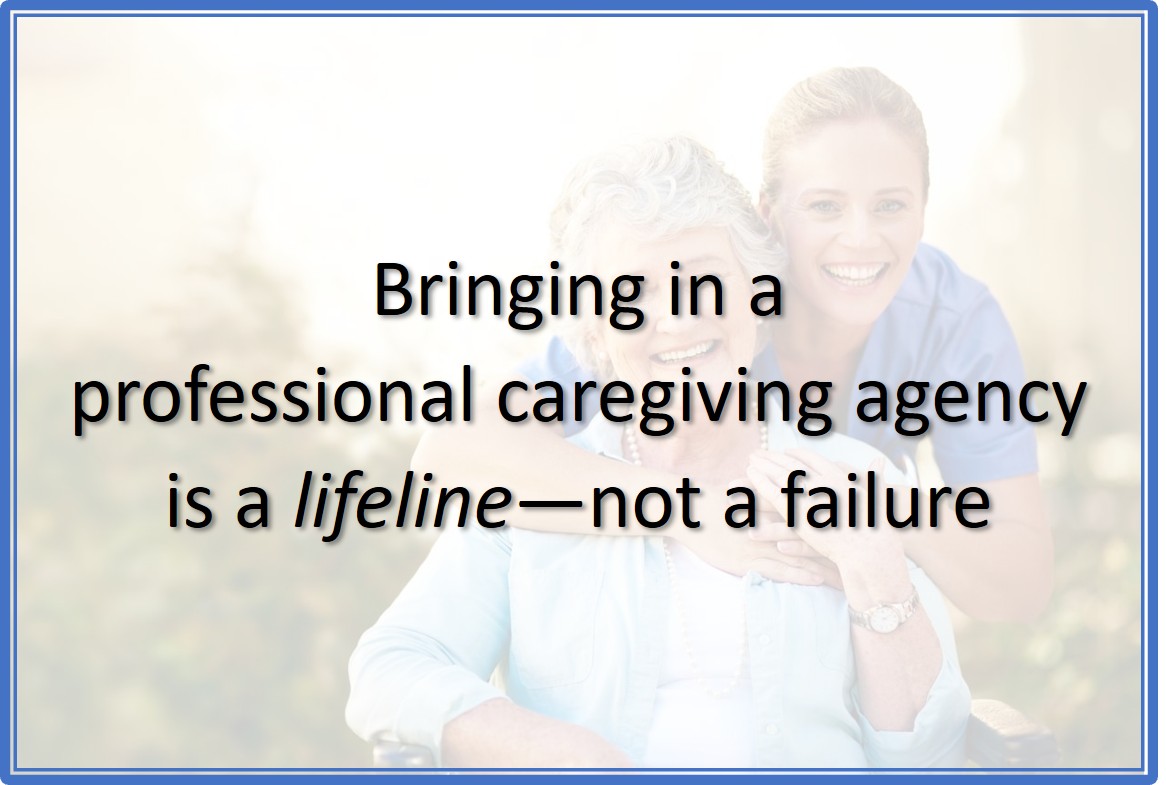
In reality, bringing in a professional caregiving agency is often a lifeline—not a failure.
A Caregiving Agency Can Change Everything
Reputable caregiving agencies offer:
- Trained Home Health Aides (aka caregivers) who help with personal care, household chores, companionship, and safety
- Respite care so you can rest, work, or attend to your own needs
- Professional insight and structure into daily care
- Reduced physical and emotional strain
- Improved consistency and quality of care
Even a few hours a week of in-home caregiver assistance can make a profound difference--giving you back time to sleep, breathe, and be yourself again.
Be Their Caregiver Without Having to Do it All Yourself
Hiring help means you are making a thoughtful, sustainable choice—one that protects your health and allows you to continue showing up with patience and compassion.
Once they receive support, most family caregivers report that:
- Their relationship with their loved one improves
- They feel less resentful and more present
- They regain balance in their own lives
- They feel more like themselves again.
BrightStar Care of Carlsbad: A Local Partner for Families
At BrightStar Care of Carlsbad, we support seniors and others with medical challenges throughout Carlsbad, Oceanside, Vista, and Fallbrook with the highest quality, most compassionate home care services.
What Makes BrightStar So Different:
- Award-winning caregivers (California’s highest rated home care agency!)
- Case Management by a Registered Nurse
- Hospitalization risk lowered by 25%
- 24/7 customer support
- Dementia-certified
- Specialized Parkinson’s support
- Accept Long Term Care Insurance
- Provide free care for veterans via the VA Homemaker/HHA program
- Flexible schedules—from a few hours to 24/7
Call us anytime for a free consultation: 760-448-1021.
Caregiving Was Never Meant to Be a One-Person Job
You can reframe your mindset: Accepting Help Is a Sign of Wisdom, Not Weakness
Strong caregivers recognize when something is unsustainable. They make proactive choices to protect their health, their relationships, and the long-term well-being of the person they care for.
This is one of the most important mindset shifts you can make!
A note of encouragement: I hear this all the time from our clients, even those who were adamantly against hiring outside help: “How did we ever live without this?”
Final Thoughts
If you take nothing else from this article, take this:
If you’re a caregiver feeling overwhelmed, exhausted, or unsure where to turn next, you are not alone—and help is available.
Caregiving is an act of love—but love does not require self-sacrifice to the point of collapse. You deserve rest. You deserve support.
You deserve moments of joy that exist outside of caregiving. By addressing the mental barriers that hold you back, understanding why self-care is essential, and allowing yourself to accept help—whether from family, friends, or a professional caregiving agency—you create a more sustainable, compassionate path forward… for your loved one, and for you.
You matter. Your health matters. Your life matters.
About the Author
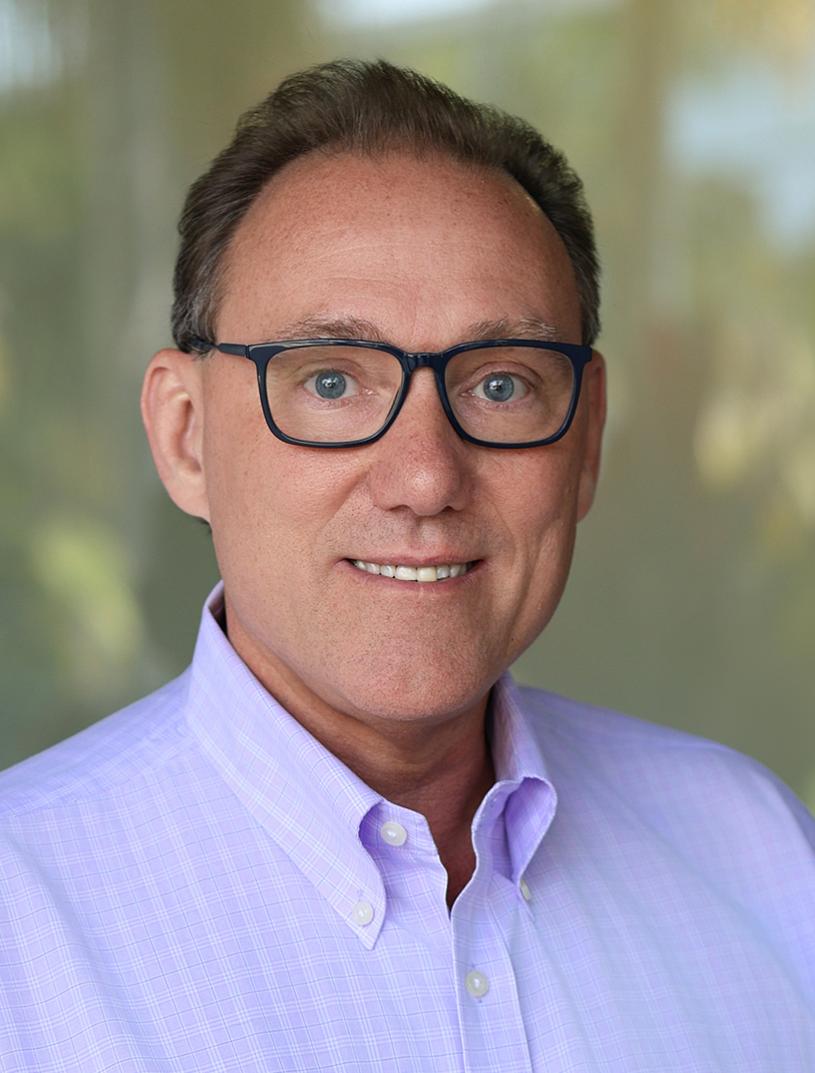
Dan Sweiger is Co-owner and President of BrightStar Care of Carlsbad. He has a bachelor’s degree in communications, MBA, and 20+ years leading marketing and brand management in Fortune 500 companies. His passion is focusing the organization on a higher purpose to deliver something much more meaningful than just the products & services they sell. He supports the healthcare community through participating in The National Aging In Place Council (https://ageinplace.org/), serving on the board of directors for the San Diego Dementia Consortium (https://sddementia.org/) and board of trustees for the Tri-City Hospital Foundation (https://www.tricityhospitalfoundation.org/), partnering with the Alzheimer's Association of San Diego (https://www.alz.org/), Parkinson’s Association of San Diego (https://parkinsonsassociation.org/), and ALS Association (https://www.als.org/), leading educational workshops at the Carlsbad Senior Center (https://www.carlsbadca.gov/), and more.
About BrightStar Care of Carlsbad, CA:
BrightStar Care of Carlsbad is the #1 rated home care agency in California by Home Care Pulse. We offer a wide range of in-home support services, including companion care, personal care and skilled nursing. We also specialize in care for people with Parkinson’s and dementia. Because BrightStar caregivers are trained and supported by a RN Case Manager who watches over our clients and staff – something extremely rare for home care companies -- we can provide early detection and intervention when medical issues arise. In fact, BrightStar clients are 25% less likely to be hospitalized compared to clients of other home care companies.