
The Family Caregiver Survival Guide: Why Self‑Care Isn’t Optional
By Dan Sweiger, Co‑Owner & President, BrightStar Care of Carlsbad
At BrightStar Care of Carlsbad, we work with many families across coastal North County San Diego (including Carlsbad, Oceanside, Ocean Hills, Vista, Bonsall, and Fallbrook), and we see first‑hand how caring for someone you love is one of the most meaningful roles a person can take on—and one of the most demanding.
Whether you’re supporting an aging parent, a spouse with a chronic illness, a child with special needs, or a loved one recovering from surgery, family caregiving often begins quietly and grows quickly.
If you’re reading this, chances are you’re already doing more than you ever imagined—and probably more than anyone truly sees.
This survival guide is for you.
The Hidden Reality of Family Caregiving

Most family caregivers don’t plan to become caregivers. They step in out of love, duty, loyalty, and necessity—often without training, preparation, or support.
Providing senior care at home frequently includes:
- Managing medications and appointments
- Helping with bathing, dressing, and mobility
- Preparing meals and monitoring nutrition
- Providing companionship and supervision
- Coordinating care with doctors
- Managing household tasks
While caregiving brings meaning, it also brings stress, exhaustion, isolation, and burnout.
The Mental Barriers That Prevent Self‑Care
1. “If I Don’t Do It, No One Will”
Many caregivers feel they are the only person who can properly care for their loved one—leading to total responsibility and overload.
2. Guilt
Guilt convinces caregivers that prioritizing themselves is selfish, even when it’s necessary.
3. “I Can Push Through”
Resilience becomes dangerous when it turns into self‑neglect. Weeks turn into years.
4. Loss of Identity
Caregiving can replace your sense of self, making your own needs feel invisible.
5. Fear of Judgment
Fear of being seen as weak keeps many caregivers silently struggling.
Why Self‑Care Is Not Optional—It’s Essential
Self‑care isn’t about indulgence. For caregivers, it’s about survival.
- Better patience
- Clearer thinking
- Safer, more consistent care
Taking care of yourself protects both you and your loved one.
Practical, Realistic Self‑Care Tips for Caregivers
1. Redefine Self‑Care
- Ten minutes of quiet
- A short walk
- Eating real meals
2. Schedule Yourself
- Block time for rest
- Set reminders to eat and hydrate
- Keep medical appointments
3. Set Boundaries
Boundaries protect your energy and health.
4. Talk to Someone
Support groups, therapy, or trusted friends help reduce isolation.
5. Watch Out for Burnout
- Chronic exhaustion
- Irritability
- Sleep trouble
One of the Most Powerful Self‑Care Steps: Getting Help from a Homecare Agency
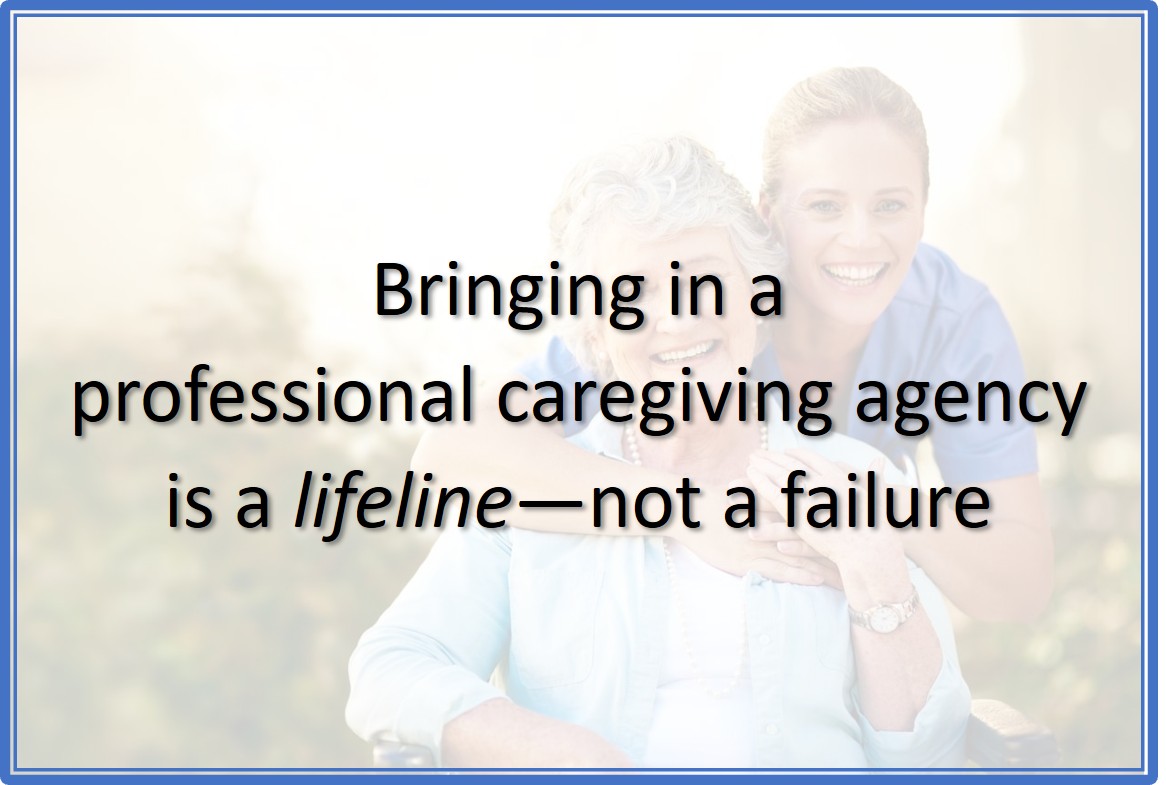
Accepting professional support is often a lifeline—not a failure.
- Respite care
- Professional caregivers
- Improved quality of care
Caregiving Was Never Meant to Be a One‑Person Job
Accepting help is a sign of wisdom, not weakness.

About the Author
Dan Sweiger is Co‑Owner and President of BrightStar Care of Carlsbad, with 20+ years in leadership, marketing, and healthcare advocacy.