
If you have never had in-home care before, it can be hard to picture what it looks like. This article explains what they can do for you.
What Our Caregivers Really Do
When families call BrightStar Care of Carlsbad for the first time, they are often carrying a lot.
Sometimes they’re worried about a parent who is falling. Sometimes they are exhausted from trying to do everything themselves. Sometimes they are not even sure what kind of help they need yet. They just know that caring for their loved one does not feel as safe or manageable as it used to.
One of the most common questions we hear is:
“What can your caregiver do for us?”
It is such an understandable question. If you have never had in-home care before, it can be hard to picture what it looks like. Will the caregiver mostly provide companionship? Will they help with bathing and dressing? Can they prepare meals? Will they notice if something seems off? Will my loved one feel comfortable having someone in the home?
Those are real questions, and they deserve real answers.
At BrightStar Care of Carlsbad, our award-winning caregivers help with the everyday parts of life that can become harder with age, illness, dementia, mobility changes, or recovery after an injury or hospitalization. That may include personal care, meal preparation, mobility support, companionship, transportation, light housekeeping, medication reminders, dementia support, and respite for family caregivers.
Importantly, the support our care givers provide to your family goes way deeper than just the tasks we perform. I often say to think about it like getting a personal assistant who can help you live your best life.
We bring patience into difficult mornings. We bring calm into confusing afternoons. We notice small changes that you may not see right away. We help protect dignity during personal care. We give family members room to breathe. And, most importantly, we help people stay connected, active and engaged without having to leave the comfort and familiarity of home.
Heed The Warning Signs. Without Support, Quality of Life Can Erode Quickly
Sadly, all too often, we get the call for help after something tragic has happened to change everything. Many times, that tragedy could’ve been avoided if they had headed the warning signs. Ask yourself, important questions like…
-
Are they a fall risk?
Falls are the #1 risk factor for people over 65, and it only takes one to change the course of your life forever. Caregivers provide mobility assistance to reduce their chances of being injured in a fall. -
Are they keeping up their hygiene?
You may be surprised to know the #2 risk factor for seniors is letting their hygiene go. Hygiene is not just about appearances and odors. Poor habits can lead to skin irritation, rashes, sores, UTIs and other infections that could turn septic. Caregivers help them maintain personal hygiene and alert you to any concerns. -
Are they taking their medications correctly?
We see this all the time. Med lists get long and confusing, people forget, take the wrong pills or wrong dosage, sometimes taking meds their doctor discontinued long ago. We met a woman whose doctor had tried four different BP meds over time. She was only supposed to take one of them now, but she had been taking ALL FOUR. Thank goodness we caught that and helped avoid a tragic overdose. We reconcile their meds as part of our intake process, and our caregivers ensure they stay on track consistently. -
Are they eating right?
Poor nutrition is common in older adults and can lead to all sorts of health problems. A fridge full of expired foods, unusual weight loss, and low energy can all be signs of malnutrition. Our caregivers are trained to watch for these signs, encourage better eating habits, and alert care partners as needed. -
Are you seeing signs of possible dementia?
Some forgetfulness or confusion can a normal part of aging, but are often signs of the onset of dementia or cognitive impairment. At some point, these lapses lose their charm and present real safety risks. They often seem “fine”… except for sporadic episodes of confusion or dangerously poor judgement. Our caregivers are trained with the special skills needed to support dementia sufferers with dignity, respect and joy. -
Is mobility getting harder?
Is it getting harder to get out of bed or stand up from a chair, couch or toilet without some assistance? Are they using their cane or walker like they’re supposed to? It’s typical to lose muscle mass as we age and getting around just gets more difficult. Caregivers assist with mobility, so they can keep moving and active. -
Are they getting social engagement?
Recent studies have shown that social isolation, and lack of mental stimulation, are as bad for your physical health as smoking two packs of cigarettes/day. Beyond loneliness and depression, lack of regular social stimulation contributes to cognitive decline and other health issues. Caregivers are often a ray of sunshine in their day, and simple things like talking, watching shows together, sharing activities or going for outings make a huge difference in their general health… and quality of life.
Caregivers Help Make The Day Safer And More Manageable
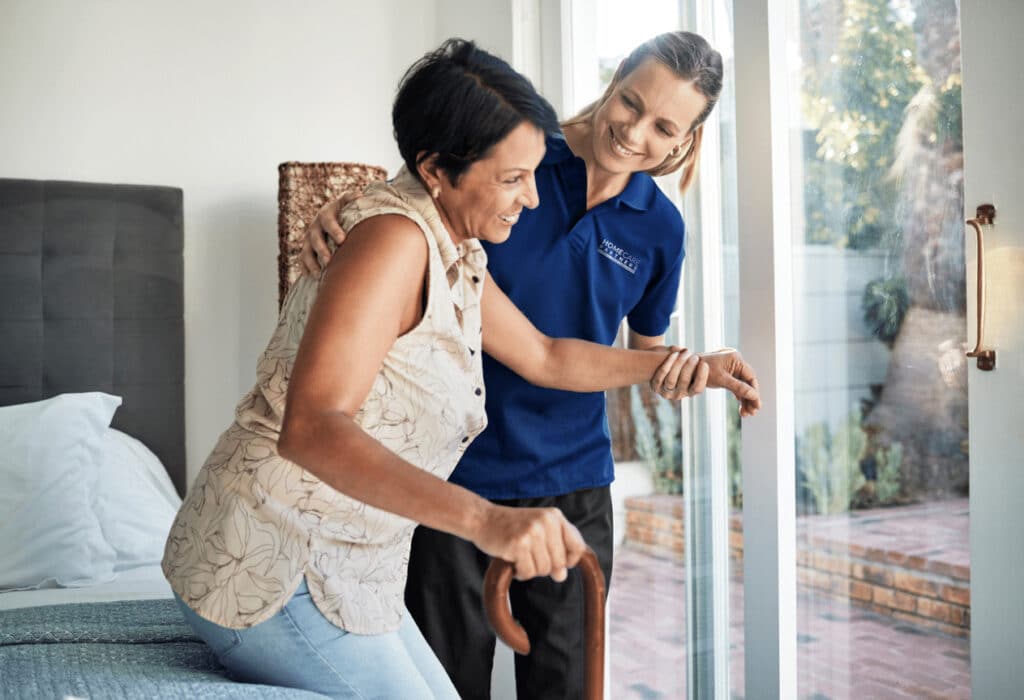
A lot of families do not realize how much energy daily life can take until their loved one starts struggling with it.
Getting out of bed, walking to the bathroom, choosing clean clothes, preparing breakfast, drinking enough water, taking a shower, remembering appointments, and moving safely through the home may all sound simple. But for an older adult with weakness, memory loss, Parkinson’s, arthritis, vision changes, dementia, or balance issues, those ordinary routines can become extremely challenging.
That’s where our caregivers step in.
We help create structure around the day so your loved one is not left trying to manage everything alone. A caregiver may help your mom start her morning off on the right foot, encourage your dad to eat a real meal, remind your spouse to use their walker, or make sure your loved one is not sitting alone for hours without conversation, hydration, or movement.
Sometimes the support is hands-on. Sometimes it is a gentle reminder. Sometimes it is simply being nearby so your loved one feels secure enough to keep doing what they can still do.
Good care is not about taking over someone’s life. It is about helping them keep as much independence, comfort, and dignity as possible.
Learn more here: https://www.brightstarcare.com/locations/carlsbad/services/in-home-care/
Personal care is the core of what we do
Personal care is often the point where families realize they need help.
Bathing, dressing, grooming, toileting, and transferring are private and emotional tasks. They can be physically difficult, but they can also be uncomfortable for a parent, spouse, or adult child to navigate together.
A mother may refuse help from her daughter. A father may feel embarrassed needing assistance from his son. A spouse may want to help but may not be physically able to do it safely anymore. And when dementia is involved, even a simple shower can become confusing, frightening, or upsetting.
Our caregivers understand that personal care is not just about completing a task. It is about protecting dignity.
We help with bathing, dressing, grooming, toileting, oral care, mobility, and other activities of daily living in a way that is respectful and patient. We do not rush through these moments. We understand that a shower may require reassurance. Getting dressed may require choices. Toileting may require privacy and sensitivity. Grooming may be about helping someone feel like themselves again.
These are small moments, but they matter deeply.
When someone is clean, dressed, comfortable, and cared for, the whole day can feel different.
Learn more here: https://www.brightstarcare.com/locations/carlsbad/services/in-home-care/personal-care/>
We improve quality of life through companionship
.png "ChatGPT-CG-with-Client-(1).png")
Families sometimes ask for companionship because their loved one is lonely. Other times, they are not sure companionship is “enough” to make a difference.
We can tell you from experience: meaningful companionship can change the whole feel of a day.
Our caregivers do far more than sit in the room. They talk, listen, encourage, engage, and gently bring rhythm back into the home. They may prepare lunch and sit at the table with your loved one. They may take a short walk together, look through old photos, play music, do a puzzle, fold laundry, water plants, watch a favorite show, or simply be a kind presence in a quiet house.
For someone who lives alone, that presence can be incredibly important.
Loneliness can affect appetite, mood, memory, sleep, and motivation. When someone is isolated, they may stop eating well, stop moving around, stop keeping up with routines, or become more anxious and withdrawn.
A caregiver helps interrupt that cycle.
We believe companionship is not a “lesser” kind of care. It is often the foundation that helps everything else go better.
Learn more here: https://www.brightstarcare.com/locations/carlsbad/services/in-home-care/companion-care/
We support safety in practical, everyday ways
Families often think about safety after a fall, a hospital stay, or a close call. But safety is built into many small moments throughout the day.
Our caregivers help clients move through the home more safely. They may provide standby assistance while walking, help with transfers, encourage use of a walker or cane, clear clutter from a walkway, make sure the bathroom is set up safely, or slow the pace so a client does not rush and lose balance.
They also pay attention.
Is your loved one more unsteady today? Are they holding onto furniture more than usual? Are they weaker after lunch? Are they getting up too quickly? Are they forgetting to use their walker? Are they more confused in the evening?
These observations matter because they can help prevent problems before they become emergencies.
A caregiver cannot remove every risk, but a good caregiver can make the home feel more supported, more watchful, and more responsive to the person’s changing needs.
We notice the small changes
One of the most valuable things our caregivers do is also one of the easiest things to overlook.
We notice.
We notice when a client who usually eats well starts leaving food untouched. We notice when walking becomes slower. We notice when someone seems more tired, more confused, more anxious, or less interested in a favorite activity. We notice when the refrigerator is full but meals are not being eaten. We notice when a client is unusually quiet, unusually agitated, or just not quite themselves.
Families are often doing their best, but they may not see every small shift, especially if you’re working, caring for children, managing appointments, or visiting only during certain times of day.
Our caregivers are present in the ordinary moments. They give you a unique window into how your loved one is really doing when you’re not there.
And, at BrightStar Care of Carlsbad, our caregivers are backed by a nurse-led team. That means when something seems off, it does not have to stay as a passing concern. It can be communicated, reviewed, and addressed by our registered nurse as part of their care plan.
Sometimes the most important sentence a caregiver says is, “I noticed something today.”
In fact, because of our nurse-supervised approach to home care, BrigthStar Clients are 25% less likely to be hospitalized.
We provide Alzheimer’s & dementia care with patience, creativity, and calm
When a loved one has Alzheimer’s disease or another form of dementia, daily care becomes much more complex.
A person may ask the same question over and over. They may refuse to bathe. They may become anxious in the afternoon. They may insist they need to go home, even when they are already home. They may become suspicious, restless, tearful, or frustrated by things that seem small to everyone else.
In those moments, the caregiver’s job is not just to complete tasks. It is to help the person feel safe.
Our caregivers use calm reassurance, familiar routines, gentle cueing, redirection, and patience. They learn what helps each client feel more comfortable. Maybe music helps. Maybe a quiet room helps. Maybe they responds better when offered two choices instead of being told what to do. Maybe showering works better after breakfast than before.
Dementia care is personal. It takes flexibility and creativity. It takes emotional steadiness. It takes the ability to not take difficult moments personally.
For families, having support from someone who understands dementia can bring enormous relief. It can reduce conflict, lower stress in the home, and help preserve more peaceful moments between family members.
Learn more here: https://www.brightstarcare.com/locations/carlsbad/services/in-home-care/alzheimers-and-dementia-care/
We ease the burden on the whole family
Home care is for the client, but it also greatly benefits the family.
You deserve support, too.
We see the awesome burden family care partners carry, often suffering in silence because they feel guilty or selfish for doing anything for themselves. The truth is the exact opposite. If you allow yourself to burn out, you’re no good to them.
You can’t pour from an empty cup. Don’t wait until it has become too much!
Our caregivers give families breathing room. A daughter can go to work without checking her phone every few minutes. A spouse can rest. A son can stop being responsible for every shower, every errand, every meal, and every difficult conversation. Being their caregiver fundamentally changes your relationship and people often regret missing out on those dwindling opportunities for quality time. Let caregivers handle all that “maintenance” stuff, so you can spend your time simply being family.
This is one of the most meaningful impacts of what we do.
Sometimes a few hours of respite each week can make a huge difference. Sometimes families need more consistent daily support. Sometimes care starts small and grows as needs change. There is no one-size-fits-all answer.
Our goal is to help families find the level of support that truly makes life at home more manageable and meaningful
We help keep the home comfortable and safe
Caregivers are not there for deep cleaning, but light housekeeping is a normal part of our services.
Caregivers wash dishes, do laundry, change bed linens, take out trash, wipe down the bathroom after care, or tidy up common areas. These tasks may sound simple, but they can make a home feel calmer, cleaner, and safer.
A clear walkway can reduce fall risk. Fresh clothes and linens can support dignity. A clean kitchen can make meals easier. A less cluttered room can feel less overwhelming.
Light housekeeping is not about making the home perfect. It is about helping the home support the person who lives there by keeping it safe, sanitary and comfortable.
We make meals, and it’s about more than food
Maybe your loved one says they ate, but nothing in the kitchen has changed. Maybe cooking has become too tiring. Maybe they are relying too much on snacks or takeout. Maybe they are forgetting meals, losing interest in food, or avoiding fluids because getting to the bathroom is difficult.
Our caregivers help with meal preparation, grocery lists, feeding support, hydration reminders, and cleanup. They can prepare familiar foods, encourage balanced meals, and make mealtime feel less lonely.
For some clients, the caregiver prepares the whole meal. For others, the caregiver helps the client stay involved by offering choices, setting the table together, or encouraging them to do the parts they can still safely do.
Food is not just nutrition. It is comfort, routine, independence, and connection.
We provide freedom via assisted transportation
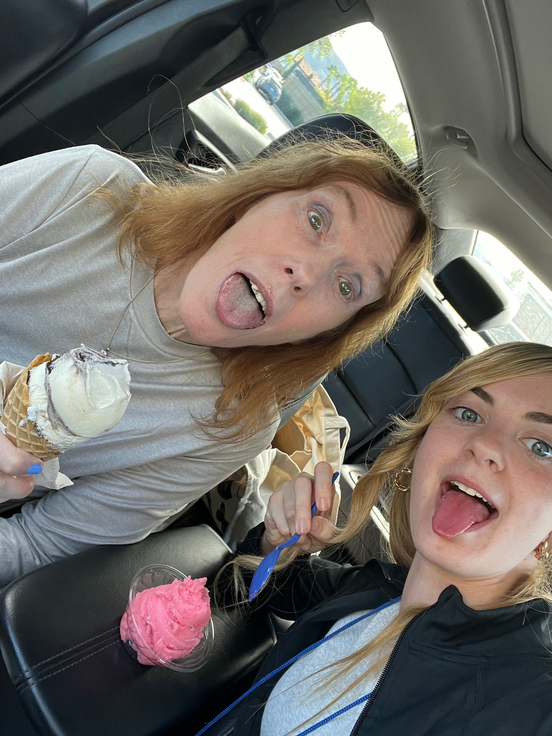
They don’t have to spend every day shut in. Caregivers can drive clients to doctor appointments, run errands, get groceries, see friends, attend a family gathering, or any other outings they desire. We can also do these things for them, if they’d prefer to remain home.
Caregivers can drive their personal vehicle or drive the client’s if they prefer. If the client can ride in a regular car, caregivers can take them. If they need transport by wheelchair van or ambulance, we can help arrange that and the caregiver can go with them.
Learn more here: https://www.brightstarcare.com/locations/carlsbad/services/in-home-care/assisted-transportation/
We support independence by helping the right amount
One of the things we care about deeply is preserving independence whenever possible.
That means our caregivers do not automatically do everything for the client. Instead, they look for ways to help the person participate safely.
Maybe your loved one can still wash their face but needs help with the shower. Maybe they can choose their clothes but need help getting dressed. Maybe they can walk to the kitchen if someone is nearby. Maybe they can help fold towels, stir soup, or water a plant.
These moments matter.
A person can need help and still have preferences, abilities, pride, and control. Our care is about enabling more independence, not taking it away.
What caregivers do not do
It is also important to be clear about what non-medical caregivers are not licensed to do.
Caregivers are not a replacement for doctors, nurses, therapists, or other licensed medical professionals. They do not diagnose conditions, prescribe medications, perform skilled nursing procedures, or make medical decisions.
Caregivers can provide medication reminders and assist with self-administration, but they do not administer medications or manage medications in the same way a licensed nurse may. If your loved one needs skilled nursing care, medication management, wound care, injections, infusion support, or other clinical services, that requires the appropriate licensed professional. BrightStar Care has other licensed professionals who can provide these medical services.
What makes our award-winning caregivers different?
We are very proud of our caregivers. They are skilled, compassionate and caring.
The work they do is personal, demanding, and meaningful. It requires kindness, but it also requires professionalism, good judgment, patience, communication, reliability, and attention to detail.
An award-winning caregiver understands that they are walking into someone’s private space during a vulnerable time. They know trust is built slowly. It is built by arriving on time, listening carefully, following the care plan, respecting preferences, noticing changes, and treating each client like a whole person.
At BrightStar Care of Carlsbad, our caregivers are fully vetted and also supported by a larger care team. They are screened, trained, supervised, and connected to a nurse-led model of care. That structure matters because excellent care does not happen by accident. It happens when compassionate people are supported by strong systems, clear communication, and thoughtful care planning.
Families do not just need “someone there.”
They need the right person, with the right support, following the right plan.
What a real caregiver shift might look like
Every client is different, so we tailor our care plan and schedule to their particular needs. But here is what care may look like in a “typical” day.
During a morning visit, a caregiver may help your loved one get out of bed, use the bathroom, bathe, get dressed, brush their teeth, prepare breakfast, drink water, take a short walk, and settle into the day.
During an afternoon visit, the caregiver may prepare lunch, provide companionship, do light housekeeping, help with laundry, encourage movement, run errands, or provide supervision during a time when confusion or loneliness tends to increase.
During an evening visit, the caregiver may prepare dinner, assist with toileting, help your loved one change into night clothes, create a calming routine, tidy up the kitchen, and make sure the home is settled before leaving.
Some shifts are busy. Some shifts are quiet. Both can be valuable.
A calm shift where “nothing happened” may mean the caregiver helped prevent the fall, the skipped meal, the anxious afternoon, the unsafe shower, or the family crisis everyone was worried about.
When should a family consider in-home care?
Families often wait until they are in crisis before asking for help. We understand why. It can be hard to know when the time is right, and many families tell themselves they should be able to keep managing.
But home care does not have to begin only after something goes wrong.
It may be time to consider support if:
- Bathing, dressing, or toileting has become difficult
- Meals are being skipped or nutrition is declining
- Your loved one is lonely, withdrawn, or anxious
- Memory loss is affecting safety or routine
- Walking or transferring feels less steady
- The home is becoming harder to keep up
- A family caregiver is exhausted or overwhelmed
- There have been falls, near-falls, or close calls
- Dementia-related behaviors are becoming harder to manage
- You worry when your loved one is home alone
Starting care earlier can make the transition easier, and you don’t have to commit to a lengthy schedule. You can always increase, decrease or adjust your schedule. Maybe begin with just a few hours of help each week to see how it goes, build trust, create routine, and prevent burnout before everything feels urgent.
What families can expect at the beginning
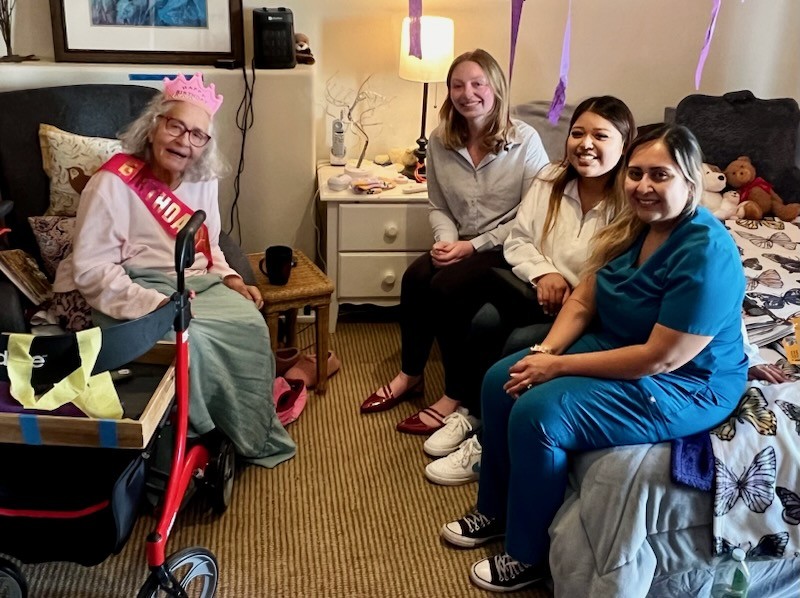
The first few visits are often about getting acquainted and comfortable.
Your loved one is adjusting to someone new in their home. The caregiver is learning routines, personal preferences, personality, safety concerns, and family expectations. The family is also learning what support looks like.
This is normal.
We often encourage families to start with practical goals: a meal, a walk, a shower routine, laundry, light housekeeping, or companionship during a difficult part of the day. Over time, trust grows. The caregiver learns what works. The client becomes more comfortable. The family begins to feel the difference.
A good care relationship is built gently, one visit at a time.
The real value of caregiving
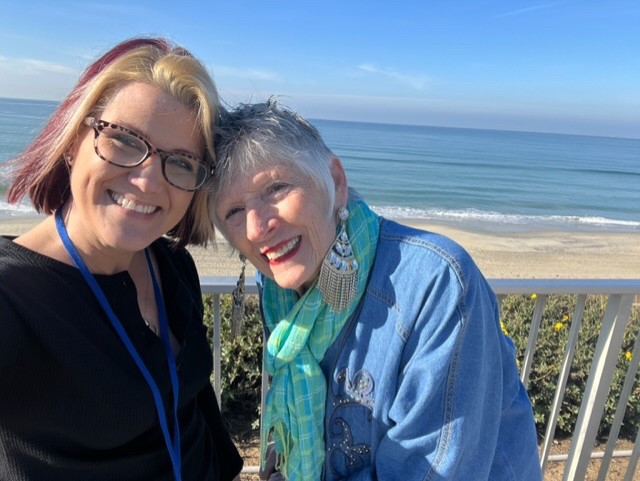
The real value of caregiving is not always dramatic.
It is the safe shower. The clean clothes. The meal that gets eaten. The walk down the hallway. The calmer afternoon. The fresh sheets. The family member who finally gets a break. The small change that gets noticed before it becomes a bigger concern.
It is the caregiver who remembers that your dad likes his coffee in a certain mug. The caregiver who knows your mom relaxes when music is playing. The caregiver who understands that your spouse needs extra time in the morning. The caregiver who sees the person, not just the task.
That is what great caregiving looks like to us.
It is practical. It is personal. It is steady. And when it is done well, it helps home feel like home again.
See what our clients and families say about the difference we make: Customer Reviews
BrightStar Care of Carlsbad is here to help
If you are trying to understand what in-home care could look like for your family, we would be honored to help you think through the next step.
BrightStar Care of Carlsbad provides award-winning in-home care throughout Carlsbad, Oceanside, Vista, Fallbrook, Bonsall, La Costa, Ocean Hills, Camp Pendleton, and surrounding North County communities. Our caregivers can help with companion care, personal care, dementia care, respite care, transportation, light housekeeping, meal preparation, mobility support, and more.
For clients with more complex needs, our nurse-led approach helps ensure care is thoughtful, coordinated, and able to adapt as needs change.
Whether your loved one needs a few hours of support each week or more comprehensive care, we are here to help you find a path that feels safer, calmer, and more manageable.
Call BrightStar Care of Carlsbad at 760-448-1021 to schedule a complimentary consultation.
Frequently Asked Questions
What does an in-home caregiver do?
An in-home caregiver helps with daily activities that may have become difficult or unsafe to manage alone. This may include companionship, bathing, dressing, grooming, toileting, meal preparation, light housekeeping, transportation, mobility support, medication reminders, and supervision. Think of it as getting a “personal assistant” to help with whichever activities are getting harder to do.
Can caregivers help with dementia?
Yes. One of our areas of specialty is dementia care. Our caregivers provide routine, companionship, supervision, redirection, cueing, and reassurance for people living with Alzheimer’s disease or other forms of dementia. Dementia care works best when the caregiver understands the person’s routines, preferences, triggers, and communication style.
Are caregivers the same as nurses?
No. Caregivers provide essential non-medical support with daily living. Nurses provide skilled medical care. Some families need one or the other, and some need both. BrightStar Care of Carlsbad can help determine what level of care may be appropriate.
Can a caregiver help my loved one stay independent?
Yes. In-home care often supports independence by helping your loved one safely continue familiar routines at home. A good caregiver does not take over unnecessarily. They provide the right level of help while encouraging the client to participate as much as safely possible.
How do we know if it is time for home care?
It may be time to consider home care if your loved one is struggling with personal care, meals, mobility, memory, housekeeping, loneliness, or safety at home. It may also be time if family caregivers are feeling overwhelmed, exhausted, or unable to keep up with the level of support needed.
About The Author:

Dan Sweiger is Co-owner and President of BrightStar Care of Carlsbad. He has a bachelor’s degree in communications, MBA, and 20+ years leading marketing and brand management in Fortune 500 companies. His passion is focusing the organization on a higher purpose to deliver something much more meaningful than just the products & services they sell. He supports the healthcare community through participating in The National Aging In Place Council (https://ageinplace.org/), serving on the board of directors for the San Diego Dementia Consortium (https://sddementia.org/) and board of trustees for the Tri-City Hospital Foundation (https://www.tricityhospitalfoundation.org/), partnering with the Alzheimer's Association of San Diego (https://www.alz.org/), Parkinson’s Association of San Diego (https://parkinsonsassociation.org/), and ALS Association (https://www.als.org/), leading educational workshops at the Carlsbad Senior Center (https://www.carlsbadca.gov/), and more.
About BrightStar Care of Carlsbad, CA:
BrightStar Care of Carlsbad is the #1 rated home care agency in California by Home Care Pulse. We offer a wide range of in-home support services, including companion care, personal care and skilled nursing. We also specialize in care for people with Parkinson’s and dementia. Because BrightStar caregivers are trained and supported by a RN Case Manager who watches over our clients and staff – something extremely rare for home care companies -- we can provide early detection and intervention when medical issues arise. In fact, BrightStar clients are 25% less likely to be hospitalized compared to clients of other home care companies.