
Do a simple “healthy aging checkup” with these 12 questions every older adult should ask.
Healthy Aging Month is a good time to think about what it really means to age well.
As a nurse, I can tell you that healthy aging is not just about lab results, medications, or how often someone sees a doctor. Those things matter, of course. But when I look at how an older adult is doing overall, I also want to know what everyday life looks like.
Are they eating well?
Are they moving safely?
Are they staying connected with other people?
Are they keeping up with medications?
Are they still doing the things that matter to them?
And perhaps most importantly: Are small changes beginning to add up in a way that could become a bigger problem later?
At BrightStar Care of Carlsbad, we work with older adults and families throughout Carlsbad, Oceanside, Vista, Fallbrook, and surrounding North County San Diego communities. One thing I have learned is that families often recognize the need for additional support only after something significant happens—a fall, hospitalization, medication mistake, or care partner burnout.
But, there are usually warning signs before the crisis.
That’s why, in recognition of Healthy Aging Month, I encourage you to do this simple “healthy aging checkup.” These 12 questions will help you step back, look at the whole picture, and identify areas where a little attention now could make a big difference later.
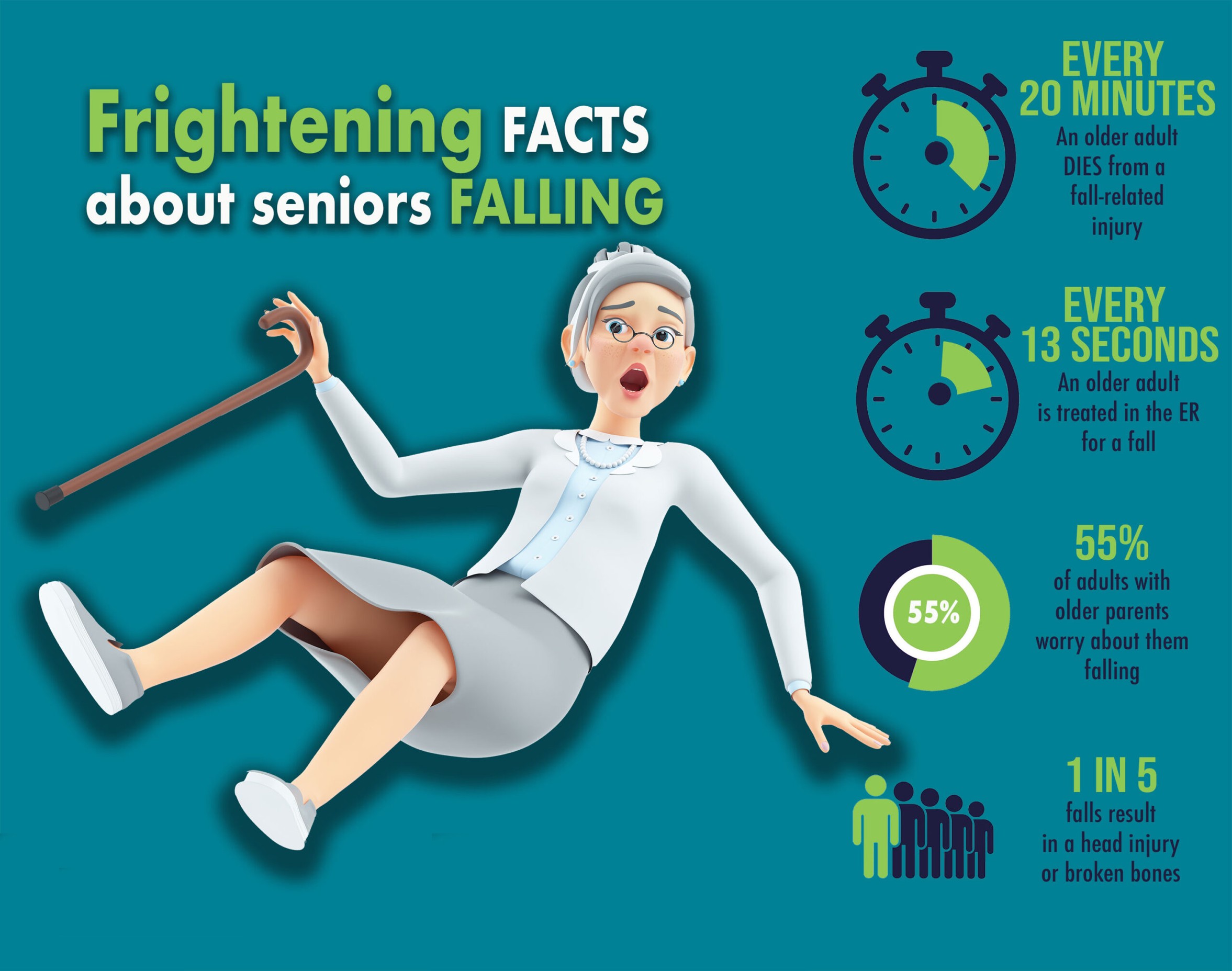
1. Has There Been a Fall—or a Near Fall?
Falls are one of the clearest signs that something may be changing. In fact, falling is the #1 health risk for people over 65.
Sometimes the incident is obvious. Other times an older adult may brush it off: “I just tripped,” or “I got up too fast.” But, even a near fall deserves attention. The time to act is before a life-changing fall occurs, not after.
Falls are not always caused by one single issue. Weakness, balance changes, medications, vision problems, dehydration, and environmental hazards can all play a role. So, ask whether your loved one has recently stumbled, grabbed furniture for balance, become hesitant on stairs, or started avoiding certain parts of the house.
Look around their home. Are there trip hazards like loose rugs? Poor lighting? Cluttered walkways? A difficult step into the shower? Is the person wearing appropriate footwear?
The sooner those risks are identified, the more options families have to address them.
2. Is Getting Around Becoming More Difficult?
Mobility changes can happen gradually enough that families do not immediately notice.
Look for warning signs… Maybe Mom no longer walks to the mailbox. Dad has started staying downstairs instead of using the second floor. Someone who used to enjoy outings now says they would rather stay home. And, pay attention to changes in how easily someone gets in and out of bed, rises from a chair, walks through the home, gets into a car, and manages stairs.
Healthy aging does not mean everyone needs to be highly athletic. It means maintaining as much strength, balance, and function as possible.
Movement is one of the ways we protect independence.
If mobility is changing, it may be worth discussing exercise, physical therapy, assistive devices, or additional support with a healthcare professional.
3. Is Your Loved One Eating Regularly?
When an older adult lives alone, nutrition can become a surprisingly common challenge.
Cooking for one may feel like too much effort. Grocery shopping may be tiring. Standing at the stove may become difficult. Appetite can change. Sometimes people begin relying on snacks or convenience foods rather than preparing full meals.
Open the cupboards and refrigerator and take a look.
- Is there fresh food?
- Are there multiple expired foods?
- Are there ingredients for actual meals?
Another warning sign… Has your loved one lost weight unexpectedly?
Meal preparation is such an ordinary part of life that we sometimes overlook how important it is to health and independence. A little assistance with grocery shopping or preparing meals can make a meaningful difference in their health and quality of life.
4. Are They Drinking Enough?
Hydration is another area families often overlook.
Some older adults drink less because they do not feel thirsty as often. Others intentionally limit fluids because getting to the bathroom is difficult or they are worried about incontinence.
This can create multiple problems, so encourage regular fluids throughout the day and pay attention to changes such as unusual fatigue, dizziness, weakness, or confusion.
Sometimes the solution is simple: keeping water within easy reach, offering preferred beverages, or building hydration into the daily routine. Some people keep a journal of daily fluid intake to make sure they’re getting enough hydration.
The basics matter.
.png "medications_can_be_confusing-(2).png")
5. Are Medications Becoming Confusing?
Take a moment to look at their medication routine.
Are pills organized?
Are prescriptions being refilled on time?
Are there duplicate bottles?
Is your loved one able to explain which medication they take and when?
Have they missed doses—or accidentally taken an extra one?
Medication management can become complicated quickly, especially when several specialists are involved. Even someone who has successfully managed medications for decades may eventually find that a complex schedule is becoming difficult.
I can’t tell you how many times we’ve reviewed a new client’s medications and found life-threatening medication errors happening like prescriptions purchased weeks before laying on the counter still unopened, or their doctor tried a few different blood pressure meds over time and they’re still taking all of them.
Families should also pay attention after doctor visits and hospital stays, when medication instructions typically change.
If anything seems unclear, the best step is to review the medication list with the prescribing physician, pharmacist, or appropriate healthcare professional. Your pharmacist is often the only one who can see your whole medication list, and they are happy to go over everything with you to ensure you’re clear on the correct meds now.
6. Has Personal Care Become Harder?
Believe it or not, hygiene is the #2 health risk for people over 65.
Poor hygiene can lead to sores, infections, rashes and other health issues. For older people, that small sore spot, if untreated, can become an open wound, become infected, even turn septic and threaten their very life.
Keep an eye out for important clues: Has your loved one stopped showering regularly? Are they wearing the same clothes repeatedly? Is shaving, hair care, or oral hygiene being neglected?
This does not necessarily mean someone “doesn't care anymore.” Bathing may feel unsafe. Buttons and zippers may be difficult with arthritis. Standing long enough to shower and groom may be exhausting.
A person may also be embarrassed to admit that they are struggling. Personal care is deeply personal, so these conversations should be approached respectfully.
Sometimes a small amount of assistance can allow someone to maintain both safety and dignity.
7. Is the House Being Maintained the Way It Used to Be?
A home can tell you a lot. Are dishes piling up? Is laundry accumulating? Has unopened mail started covering the table? Are trash cans overflowing? Is there spoiled food in the refrigerator?
The goal is not to criticize housekeeping. The question is whether familiar routines have changed. If someone who was always meticulous suddenly stops keeping up with basic tasks, there may be a reason.
Fatigue, pain, depression, vision changes, memory problems, or mobility limitations can all make household activities more difficult.
What looks like “messiness” may actually be a sign that someone is struggling.
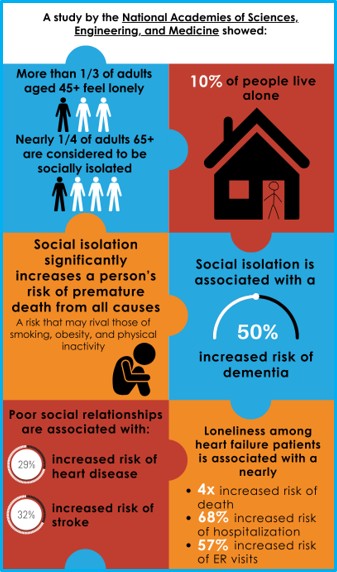
8. Is Your Loved One Still Getting Out and Seeing People?
Social health is health. Studies have shown the health impact of social isolation is just as bad as smoking two packs of cigarettes a day.
That is something I wish we talked about more often.
Older adults can gradually become isolated as driving becomes harder, friends move away, spouses pass away, or mobility changes make outings more complicated.
Ask yourself when your loved one last saw a friend, attended church, went to a favorite restaurant, participated in a hobby, or simply spent meaningful time with someone outside the household.
Sometimes families assume that because an older adult says, “I'm fine,” they are content spending most of their time alone.
Maybe they are. But it is worth asking.
Companionship, conversation, outings, and connection can have a profound effect on quality of life.
9. Are Memory or Thinking Changes Affecting Everyday Life?
Everyone forgets things occasionally. Walking into a room and forgetting why you went there is not automatically a sign of a serious problem.
What matters is whether cognitive changes are interfering with their everyday life. Is your loved one getting lost in familiar places? Missing appointments repeatedly? Forgetting bills? Leaving the stove on? Repeating the same question frequently? Becoming unusually confused about dates or routines?
If you notice meaningful changes, do not simply assume they are “part of getting older.”
There are many possible causes of confusion or memory problems, it doesn’t automatically mean they have dementia – other factors like medications, infections, and concussions can cause confusion. A medical evaluation is the appropriate next step.
10. Has Driving Become a Concern?
Few conversations are more emotionally charged than driving.
For many older adults, a driver's license represents freedom. That’s why families sometimes avoid raising concerns even when they are worried.
Rather than focusing only on age, look at actual driving behavior: Are there unexplained dents or scratches on the car? Has your loved one gotten lost? Are they avoiding nighttime driving? Do they appear anxious behind the wheel? Have reaction times changed? Have there been close calls?
The goal is safety, not be to take away independence unnecessarily.
Think about it this way. The time to stop driving is while you’re still capable… before the occasional driving error turns into a tragic accident.
If driving eventually needs to change, think proactively about transportation alternatives so that giving up the keys does not also mean giving up appointments, friendships, shopping, or community activities.
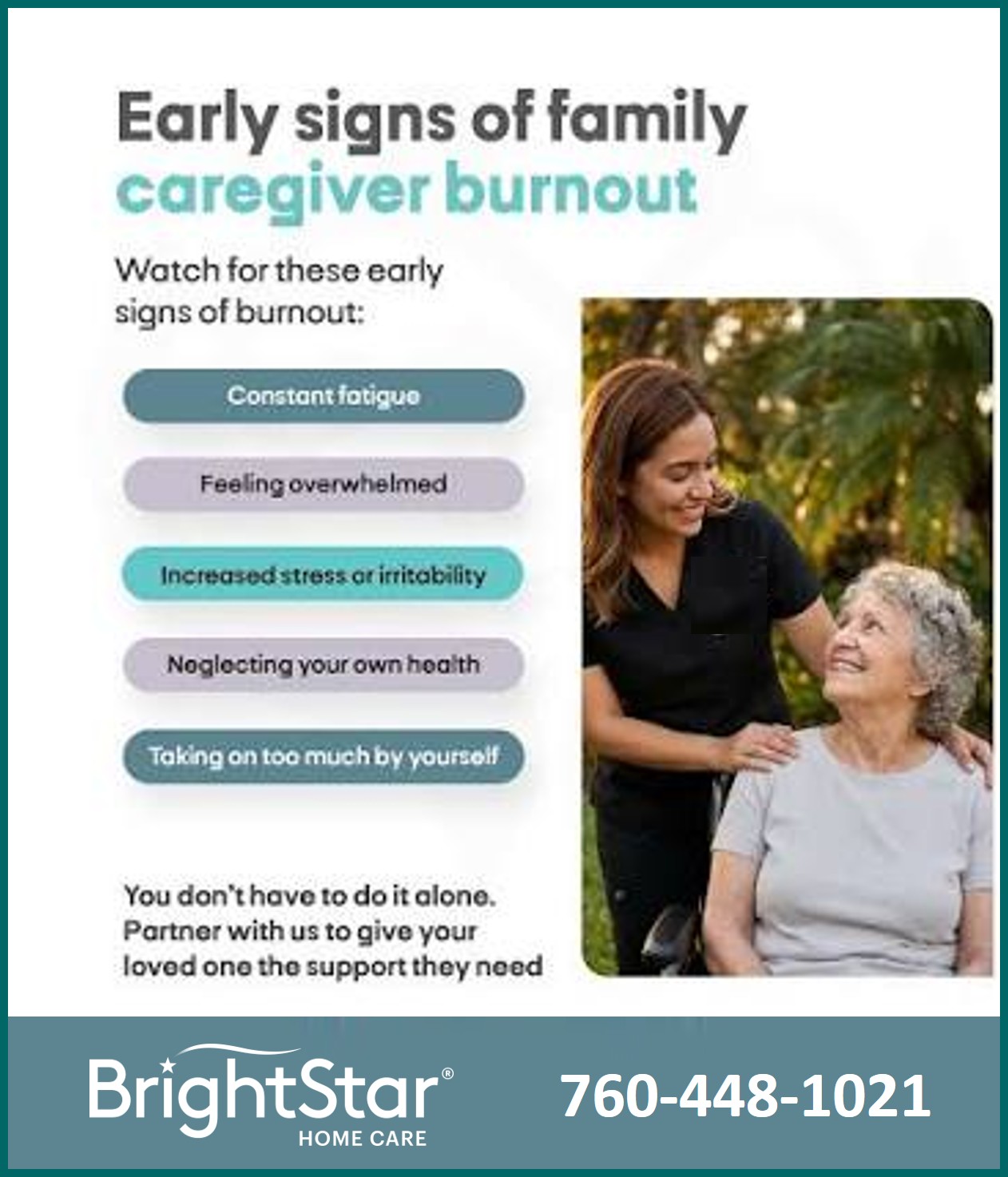
11. Is One Family Member Doing Too Much?
Healthy aging is not only about the older adult. It’s also about the people supporting them.
Most family caregivers don’t plan to become caregivers. They step in out of love, duty, loyalty, and necessity—often without training, preparation, or support.
And, that responsibility often grows gradually. At first, maybe they just help with groceries. Then doctor's appointments. Then medications. Then bathing. Then nighttime supervision. And so on…
Before long, one person may be managing an enormous amount of responsibility while still trying to work, raise children, maintain a household, or care for their own health.
Exhaustion, resentment, sleep deprivation, anxiety, and physical strain are signs that more support may be needed.
Self-care is not optional – it’s essential! You’re no good to them if you’re exhausted, overwhelmed or hospitalized. You can’t pour from an empty cup.
Getting some relief for yourself is not failure. It’s about survival and sustainability.
This “Survival Guide for Family Caregivers” gives you a lot more insight and ideas on this subject:
12. Is Your Loved One Still Living the Life They Want?
This may be the most important question of all.
Healthy aging is not simply about avoiding illness. It is about preserving quality of life.
Ask your loved one:
- What do you enjoy most about your day?
- What have you stopped doing that you wish you could still do?
- What feels harder than it used to?
- What are you worried about?
- What kind of help would make life easier?
You may be surprised by the answer.
Sometimes families focus on the things they think are most important while the older adult has entirely different priorities. Maybe Dad wants help getting to his weekly card game. Maybe Mom is worried about falling in the shower but has been afraid to say anything. Maybe someone is tired of eating frozen meals. Maybe a spouse simply wants a few hours each week to rest.
Quality of life is empowered by open conversations, not imposing a checklist on someone else.
Sometimes a Little Support Is Enough
One misconception I hear frequently is that home care is only for someone who needs extensive ongoing assistance.
This is absolutely not the case.
At BrightStar Care of Carlsbad, your care plan and schedule are custom fit to your individual needs. That might be coming for just a few hours or all the way up to 24/7, for just a few days or over weeks, months, or years.
And that is exactly the point. Healthy aging is personal.
Use Healthy Aging Month as a Reason to Start the Conversation
You do not need to wait for a fall, hospitalization, or emergency to talk about aging.
Healthy Aging Month gives you a natural opportunity to check in. Sit down over coffee. Take a walk together. Ask a few of these questions. Listen carefully to the answers.
You may discover that everything is going very well, or you may identify one or two areas where a small change could make a huge difference.
Either way, the conversation is worthwhile.
Because healthy aging is not about trying to stop time.
It is about paying attention to what someone needs today so they can continue living as independently, safely, and fully as possible tomorrow.
The most important thing you can do is to start the conversation.
.jpg "RachaelOutdoors-(3).jpg")
About The Author:
Rachael Fitzsimmons is a dedicated Registered Nurse committed to providing compassionate, high-quality care and building meaningful connections with the individuals and families she serves. In her role as the Director of Patient Services for BrightStar Care of Carlsbad, she supports clients and care teams through thoughtful coordination, advocacy, and a strong attention to each person’s unique needs.
Rachael brings many years of experience across the healthcare field. Besides 5 years as a field nurse for BrightStar, Rachael’s experience includes intensive care, labor and delivery, and pain management. She is a certified infection and quality control officer and served as the head nurse for a major surgery center. She brings a well-rounded understanding of patient care and the importance of collaboration. Her approach is centered on compassion, trust, and treating every client with dignity and respect. She believes that caring for others is both a privilege and an opportunity to make a lasting difference.
About BrightStar Care of Carlsbad, CA:
BrightStar Care of Carlsbad is the #1 rated home care agency in California, by Home Care Pulse. They offer a wide range of in-home support services, including companion care, personal care and skilled nursing. They also specialize in care for people with Parkinson’s and dementia. Because BrightStar caregivers are trained and supported by a RN Nursing Director who watches over their clients and staff – something extremely rare for home care companies -- they can provide early detection and intervention when medical issues arise. In fact, BrightStar clients are 25% less likely to be hospitalized compared to clients of other home care companies.